
Flowers
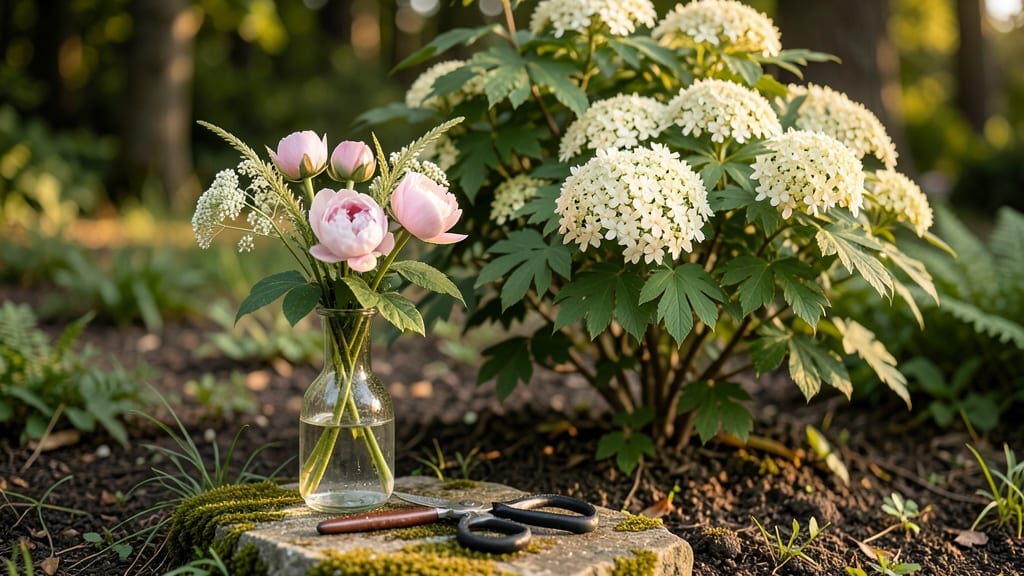
Berries in flower arrangements bring unexpected texture and lasting color that no petal alone can match. 🌿 I remember the first time I added dried cranberries to a winter bouquet—they held their deep red hue for weeks, while fresh flowers wilted.
The secret lies in their versatility: berries work fresh, dried, or even preserved, and they pair beautifully with everything from delicate roses to bold eucalyptus.
Start with seasonal berries like hydrangeas, berries, or pomegranates for fresh arrangements, or dried options like cranberries, blueberries, or poppies for long-lasting designs. A simple setup includes floral foam, a pair of sharp scissors, and a mix of berries and complementary flowers—think soft greenery, white blooms, or deep purples.
The key is balance: use berries as accents, not the main focus, to let their color pop without overwhelming the arrangement.
What you’ll create is a bouquet that stays vibrant for days, with berries adding unexpected depth. Their glossy skins reflect light, making arrangements look richer, while their varied shapes—round, elongated, or spiky—create visual interest.
Plus, they’re lightweight, so they won’t weigh down your design. Whether it’s a bridal bouquet, a centerpiece, or a simple vase for your table, berries elevate any floral piece.
This approach works year-round, with seasonal swaps keeping your arrangements fresh. In summer, try fresh blackberries or raspberries; in winter, dried berries or preserved citrus slices. The possibilities are endless, and the results? Stunning, long-lasting displays that make every arrangement feel special. Ready to try it?
📚 In This Guide
- What you need
- Instructions
- Tips and common mistakes
- Wrapping up and next steps
What you need
- ● Fresh berries: Choose 3–5 cups of edible or decorative berries (e.g., strawberries, blueberries, raspberries, blackberries, or cranberries). Opt for firm, vibrant berries in peak season for longevity.
- ● Floral stems: 10–20 stems of complementary flowers (e.g., roses, peonies, or eucalyptus) for structure and contrast.
- ● Foam block or floral preservative: A medium-sized floral foam block (or a clear vase with floral food) to keep berries and flowers hydrated.
- ● Floral wire or tape: 22–24-gauge floral wire (or clear floral tape) to secure stems and berries.
- ● Scissors or floral shears: Sharp, clean shears for trimming stems at a 45-degree angle.
- ● Waterproof container: A bucket or basin for soaking berries (if prepping in advance).
- ● Greenery fillers: Baby’s breath, ferns, or ivy to add texture and volume.
- ● Decorative accents: Dried citrus slices, herbs (like rosemary), or small pinecones for rustic charm.
- ● Berry preservative: A commercial fruit preservative (e.g., Floralife Fruit Fresh) to extend berry freshness by 3–5 days.
- ● Glass or ceramic vase: A tall, narrow vase (8–12 inches) for a classic look or a low, wide bowl for a modern vibe.
- ● Hot glue gun (for non-edible berries): To attach berries to stems or foam securely.
How to create stunning floral arrangements with berries
Berries add unexpected texture and lasting color to bouquets—here's how to use them like a pro.
🌿 Step 1: Select and Prepare Your Berries
Choose berries that are firm but ripe—overripe ones will stain stems and spoil faster. I prefer berries with long stems like raspberries, blackberries, or gooseberries because they hold up better in arrangements. Rinse them gently if they're dusty, then pat dry completely with paper towels. Wet berries encourage mold growth, so dryness is critical.
Trim stems diagonally to 3-4 inches for better water uptake. A clean cut prevents air bubbles from blocking the stem's ability to drink water. For berries without stems (like blueberries), use floral picks or small skewers to attach them to the arrangement later.
💧 Step 2: Condition and Hydrate the Flowers
Fill a clean bucket with lukewarm water and add a floral preservative—it extends vase life by 3-5 days. Trim all flower stems at a 45-degree angle right before placing them in the water. This increases surface area for hydration, which is especially important for berries that can dry out quickly.
Let the flowers and berries soak for 15-20 minutes while you prepare the arrangement. This step prevents wilting and gives you time to adjust stems before final placement. I always add a splash of bleach (1/4 teaspoon per quart of water) to sterilize the water and prevent bacterial growth.
☀️ Step 3: Build the Arrangement Structure
Start with a sturdy base using chicken wire or floral foam shaped into a cone. For a loose, natural look, I skip foam and use a clear glass vase filled with water. Arrange larger stems first—place them at varying angles to create depth. Berries work best as accents, so sprinkle them throughout rather than clustering them together.
Use the odd-number rule for balance: 3, 5, or 7 stems create visual harmony. For example, place 3 raspberry stems on one side and 2 blackberry stems on the other, then fill the center with flowers. The berries' vibrant colors will pop against softer blooms like roses or hydrangeas.
✂️ Step 4: Add Berries for Texture and Color
Thread berries onto floral picks or weave them into the arrangement using fishing line. For a rustic look, leave some stems exposed—this adds organic texture. I like to mix berries with foliage like eucalyptus or ferns to soften their bright hues. Place berries near the vase's edge where they'll be visible but not overpower the flowers.
Trim any berries that look bruised or overly soft—they'll spoil faster and attract pests. A good rule of thumb: if a berry squishes slightly when gently pressed, it's still fresh enough to use. Store any extras in the fridge until you're ready to use them.
🪴 Step 5: Finish and Maintain the Arrangement
Once everything is in place, give the arrangement a final trim to even out the stems. Remove any leaves that would sit below the waterline—they rot quickly and cloud the water. Fill the vase with fresh water and add more floral preservative to extend the bouquet's life.
Change the water every 2-3 days and trim stems by ½ inch each time. Keep the arrangement away from direct sunlight and drafts—both accelerate wilting. With proper care, berry-infused arrangements last 7-10 days, much longer than traditional bouquets.
Tips & tricks for perfect floral arrangements with berries
Here's what nobody tells you about making berries shine in your floral designs—these tricks will transform your bouquets from ordinary to extraordinary.
Berry Selection Matters: For maximum longevity, choose berries that are firm but not rock-hard. Look for ones with vibrant, even coloring and minimal bruising. Raspberries and blackberries hold up best, but strawberries work beautifully too if you remove the green tops completely—they can leach dye into the water and shorten vase life. Store any extras in a paper towel-lined container in the fridge until ready to use.
Hydration Hack for Berries: The 15-20 minute soaking time in Step 2 is your secret weapon—it's not just for flowers! Berries absorb moisture through their stems too, which helps them maintain their plump appearance longer. For extra insurance, add a few drops of lemon juice to the water during soaking. The acidity helps preserve color and prevents browning, especially with berries like blueberries that oxidize quickly.
Placement Strategy: When arranging berries in Step 4, think about their role as both color accents and texture elements. Place them near the front of the arrangement where they'll be most visible, but avoid placing them directly against the vase. The stems can block water uptake for nearby flowers, causing those stems to wilt faster. For a modern look, try clustering berries in odd-numbered groups (3 or 5) rather than scattering them randomly.
Preservation Tips: To extend that 7-10 day lifespan, change the water every 2-3 days and always trim stems by ½ inch before each refresh. This prevents bacterial growth that can cloud the water and shorten vase life. Keep arrangements away from direct sunlight—UV rays accelerate color fading in berries, making them lose their vibrant hues faster. A cool, shaded spot like a dining table away from windows is ideal.
Pro Tips for Berries In Flower Arrangements
- Here's what nobody tells you about making berries shine in your floral designs—these tricks will transform your bouquets from ordinary to extraordinary.
- Berry Selection Matters: For maximum longevity, choose berries that are firm but not rock-hard.
- Hydration Hack for Berries: The 15-20 minute soaking time in Step 2 is your secret weapon—it's not just for flowers!
Frequently asked questions
Got questions about using berries in your floral designs? You’re not alone! Here are answers to the most common queries to help you create stunning, long-lasting arrangements with ease.
How do I keep berries fresh in a flower arrangement?
Berries like rosemary berries or dried pomegranate seeds last longer than fresh ones. For fresh berries, mist them lightly with water and store in the fridge until use. To extend their life in arrangements, trim stems at an angle and change the water every 2–3 days. Avoid overcrowding—they’ll wilt faster if packed too tightly!
How long do berries stay vibrant in an arrangement?
Dried berries (e.g., blueberries or mulberries) can last weeks to months if kept dry. Fresh berries, like raspberries or blackberries, typically last 5–7 days in a vase. For longer freshness, opt for preserved berries (like candied or glycerin-treated) or use them sparingly as accents.
Can I use fresh berries in arrangements, or should I stick to dried?
Both work! Fresh berries add a juicy, natural touch but require more care (they bruise easily). Dried berries offer bold color and texture without the hassle. For a mix, try fresh blueberries with dried orange slices—the contrast is stunning! Pro tip: If using fresh, pick fully ripe berries and handle gently.
What’s the best way to arrange berries with flowers?
Use berries as focal points or filler. Place them in odd numbers (3, 5, or 7) for balance. For height, tuck them into the back of the arrangement; for texture, scatter them around delicate blooms. Pair dark berries (like blackberries) with light flowers (e.g., white roses) for drama, or bright berries (like red currants) with greenery for a pop of color.
Why are my berries turning moldy or discolored?
Mold or discoloration usually means moisture buildup or ethylene gas from other flowers. To fix it: Remove moldy berries immediately, refresh the water in the vase, and add a drop of bleach (1 tsp per gallon of water) to prevent bacteria. For dried berries, store them in a cool, dry place away from humidity.
Still stumped? Experiment with small batches—berries are forgiving, and a little creativity goes a long way!
Wrapping up and next steps
From vibrant berries in flower arrangements to their unique textures, these little powerhouses bring life, color, and charm to any bouquet! Whether you're a seasoned florist or a DIY enthusiast, incorporating berries is a game-changer—easy, budget-friendly, and stunning.
Now that you’re armed with tips and tricks, why not start experimenting? Grab a few fresh berries, a vase, and let your creativity bloom! 🌸✨
🎯 Your Next Step:
- Try a mix: Combine berries with seasonal flowers for a harmonious look.
- Preserve the magic: Use floral preservatives to keep your arrangement fresh longer.
- Share the joy: Gift a handmade berry bouquet to brighten someone’s day!