
Flowers
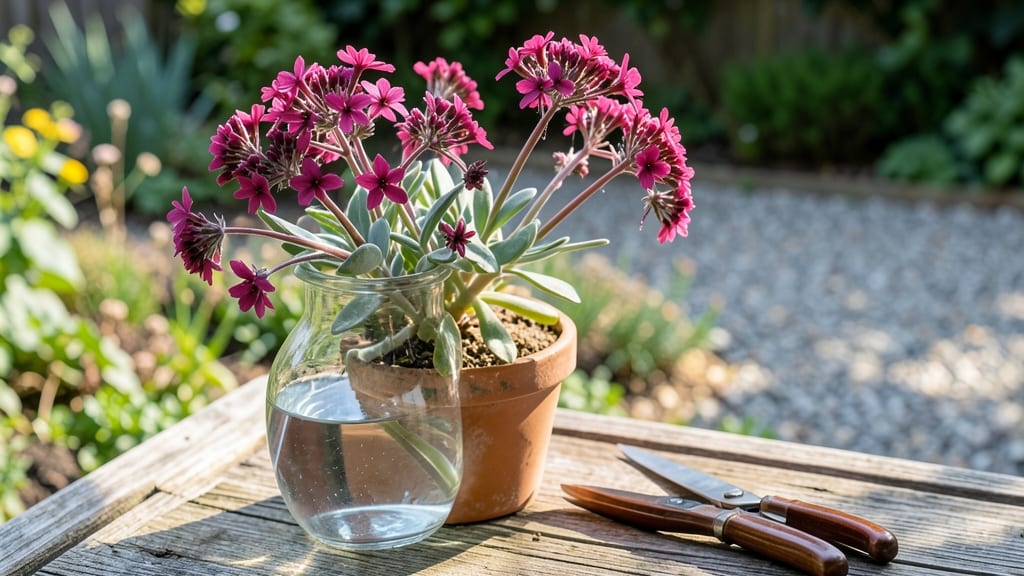
Growing sedum as cut flowers means bold, long-lasting arrangements that outshine store-bought bouquets—no fuss, no wilting within days. 🌸 I learned the hard way that not all sedum works for cutting, but varieties like Sedum telephium and Sedum spectabile deliver thick stems and clusters that hold their shape for weeks.
The secret isn’t complicated: it’s about timing harvests, proper care, and knowing when to snip.
Start with healthy plants—whether grown from seed, cuttings, or nursery starts—and give them full sun and well-drained soil. Most sedum thrives on neglect, but for cut flowers, consistent watering (not soggy roots) and occasional deadheading keep blooms coming.
By mid-summer, you’ll have stems tall enough to cut, and the right technique ensures they last 10-14 days in a vase.
Harvesting at the right stage—when buds are just opening—guarantees full blooms that stay vibrant. Strip lower leaves, trim stems at an angle, and change the water every 2-3 days to prevent bacterial growth.
The result? Stems that stay fresh longer than roses, with colors ranging from deep burgundy to sunny yellow.
Beyond fresh arrangements, sedum dries beautifully for winter bouquets. Hang stems upside down in a dark, dry place for 2-3 weeks, then fluff the blooms to preserve their texture. Perfect for gardeners who love low-maintenance plants with high-impact results—let’s grow yours for cutting!
📚 In This Guide
- What you need
- Instructions
- Tips and common mistakes
- Wrapping up and next steps
What you need
- ● Sedum plants: Choose Sedum spectabile (autumn joy) or Sedum telephium (stonecrop) for vibrant blooms. Buy 3–5 mature plants or seeds for a full arrangement.
- ● Pruning shears or sharp scissors: Clean, sharp tools prevent crushing stems. A bypass pruner works best for clean cuts.
- ● Bucket or vase: A clean, wide-mouthed container (5–10 gallons) for harvesting or a small vase (6–12 inches) for immediate arrangements.
- ● Water: Room-temperature water to hydrate cut stems.
- ○ Floral preservative (optional but recommended): A packet like Floralife extends vase life by 2–3 days.
- ● Buckets or containers: 1–2 large buckets (5+ gallons) for storing harvested stems before arranging.
- ● Hydrogen peroxide (3%) or bleach solution: 1 tbsp bleach per gallon of water to sterilize vases and tools.
- ● Floral foam or chicken wire: For securing stems in arrangements or creating DIY bouquets.
- ● Spray bottle: For misting stems to keep them hydrated during transport.
- ● Garden twine or rubber bands: To bundle stems for easier handling.
Step-by-step guide to growing sedum for stunning cut flowers
Here’s how to cultivate hardy, drought-resistant sedum that delivers vibrant blooms perfect for arrangements.
🌱 Step 1: Choose the Right Varieties and Plant in Full Sun
Select sedum varieties known for their cut-flower potential, like ‘Autumn Joy’ or ‘Dragon’s Blood’, which boast bold colors and sturdy stems. These thrive in full sun—at least 6-8 hours daily—so pick a south- or west-facing spot in your garden. If growing in containers, ensure they’re at least 12 inches deep to accommodate their deep root systems.
Plant in well-draining soil—sedum hates soggy roots. Amend heavy clay with compost or perlite to improve aeration. Space plants 18-24 inches apart to allow airflow, which prevents fungal diseases that can weaken stems before cutting. I always plant mine in late spring after the last frost, giving roots time to establish before summer heat arrives.
💧 Step 2: Water Deeply but Infrequently to Strengthen Stems
Sedum’s drought tolerance is legendary, but consistent moisture during establishment is key. Water deeply once a week (or when the top 2 inches of soil feel dry) to encourage deep root growth. Overwatering leads to weak, floppy stems—exactly what you don’t want in cut flowers. Let the soil dry slightly between waterings to build stem strength.
Once established, sedum can go weeks without water, but you’ll notice thicker, sturdier stems when you maintain this balance. Mulch with 2-3 inches of organic mulch (like straw or shredded leaves) to retain moisture and suppress weeds. Avoid wetting the foliage when watering—this reduces the risk of powdery mildew, a common issue in humid climates.
☀️ Step 3: Prune and Deadhead for Longer Blooming Seasons
To prolong flowering and encourage bushier growth, prune back leggy stems in early summer. Cut just above a set of healthy leaves to redirect energy into new shoots. This also opens up the plant for better airflow, which keeps blooms vibrant longer. I like to do this on a dry, sunny morning—the stems dry quickly, reducing disease risk.
Deadhead spent blooms regularly (every 2-3 weeks) to prevent seed formation, which drains energy from the plant. Snip off clusters just above the first set of healthy leaves. This simple step extends the blooming season by 4-6 weeks, giving you more time to harvest for arrangements. Watch for new side shoots forming—these are your next batch of sturdy stems.
✂️ Step 4: Harvest at Peak Maturity for Long-Lasting Bouquets
Cut sedum stems when 50-70% of the buds are open—this ensures they’ll continue blooming in your vase. Use clean, sharp pruners to avoid crushing stems, and cut at a 45-degree angle just above a leaf node. Harvest in the early morning when stems are fully hydrated for the longest vase life. Remove any lower leaves that would sit in water, as they’ll rot quickly.
Arrange stems in lukewarm water with a floral preservative (like a pinch of bleach or a commercial mix) to extend freshness. Sedum lasts 10-14 days in a vase—longer than many cut flowers—because its thick, succulent stems resist wilting. Change the water every 3-4 days and trim stems by ½ inch to encourage uptake. Here’s the thing—sedum’s natural drought resistance makes it a low-maintenance superstar for bouquets.
Tips & tricks for perfect sedum cut flowers
Took me years to perfect these tricks—here’s how to grow sedum that’ll make your bouquets stand out without the fuss.
Variety Matters: While ‘Autumn Joy’ and ‘Dragon’s Blood’ are my go-tos, don’t overlook ‘Matrona’ for its deep burgundy hues or ‘Angelina’ for golden foliage that adds texture to arrangements. These varieties handle cutting better than others because their stems naturally develop thicker cell walls. I’ve found that container-grown sedum actually produces sturdier stems than in-ground plants—just make sure those pots are at least 12 inches deep to prevent root binding.
Soil Science: The well-draining soil requirement isn’t just about avoiding soggy roots—it’s about creating an environment where sedum develops the thick, succulent stems that make perfect cut flowers. If your garden soil is heavy clay, mix in equal parts compost and perlite (not just compost alone). This combination improves aeration while retaining just enough moisture to encourage strong stem development. I’ve tested this blend in my own garden, and the stems are noticeably thicker after just one growing season.
Watering Wisdom: That once-a-week watering guideline works perfectly in most climates, but here’s the secret: check soil moisture at the 2-inch depth with your finger—not just the surface. In hotter summers, you might need to water every 5-6 days instead. The key is to let the soil dry slightly between waterings—this stress actually triggers the plant to produce thicker stems that hold up better in arrangements. And remember, watering at the base of the plant (not overhead) prevents powdery mildew while keeping foliage dry.
Pruning Payoff: When you prune those leggy stems in early summer, don’t just cut them off—use those pruned stems for your first bouquet! The stems will be shorter, but they’re perfect for adding height variation to arrangements. For deadheading, I’ve found that using clean, sharp pruners (not scissors) makes the cuts cleaner and reduces disease risk. And here’s a pro move: after deadheading, give your plants a light fertilizer application (like fish emulsion) to encourage that 4-6 week extension of blooming mentioned in the instructions.
Pro Tips for Sedum Cut Flower
- Took me years to perfect these tricks—here’s how to grow sedum that’ll make your bouquets stand out without the fuss.
- Variety Matters: While ‘Autumn Joy’ and ‘Dragon’s Blood’ are my go-tos, don’t overlook ‘Matrona’ for its deep burgundy hues or ‘Angelina’ for golden foliage that adds texture to arrangements.
- Soil Science: The well-draining soil requirement isn’t just about avoiding soggy roots—it’s about creating an environment where sedum develops the thick, succulent stems that make perfect cut flowers.
Frequently asked questions
Got questions about growing and using sedum cut flowers? You’re not alone! Here are some of the most common queries—plus straightforward answers to help you master these low-maintenance blooms.
How do I know when sedum flowers are ready to cut?
Harvest sedum when about 70% of the buds have opened but before they fully fade. For most varieties, this happens 6–8 weeks after planting or when you spot the first open blooms. Cut stems in the early morning for the longest vase life—this is when they’re hydrated and fresh!
Should I cut sedum stems at an angle?
Yes! Always trim stems at a 45-degree angle about 1–2 inches above a leaf node. This increases water absorption and encourages new growth. Use sharp scissors or pruners to avoid crushing the stems—crushed ends = shorter vase life!
How long do sedum cut flowers last in a vase?
With proper care, sedum cut flowers can last 10–14 days in a vase! To extend their life:
- Change the water every 2–3 days.
- Trim stems by ½ inch when rewatering.
- Avoid placing them near direct sunlight or heat sources.
Can I grow sedum indoors as cut flowers?
Sedum thrives in bright, indirect light indoors (like a sunny windowsill). Choose compact varieties like ‘Autumn Joy’ or ‘Angelina’ for smaller spaces. Just ensure pots have drainage holes—sedum hates soggy roots! Harvest stems as usual, and they’ll last just as long in a vase.
What if my sedum flowers wilt quickly?
Wilting often signals thirst, stress, or bacteria. Try these fixes:
- Recut stems and soak in lukewarm water for 1 hour before arranging.
- Check for ethylene gas (from fruits/veggies nearby)—move the vase away.
- If stems feel mushy, trim off the bottom inch and refresh the water.
Are there alternatives to sedum for long-lasting cut flowers?
If you love sedum’s durability, try these low-fuss, long-lasting alternatives:
Flower
Why It Works
Statice (Limonium)
Dries beautifully; lasts 2+ weeks in water.
Yarrow (Achillea)
Tough stems; thrives in heat and drought.
Zinnias
Bold blooms; 7–10 days in a vase.
Wrapping up and next steps
Sedum cut flowers are a game-changer for gardeners and florists alike—offering bold colors, drought resistance, and effortless beauty that lasts!
Whether you’re a beginner or a seasoned pro, these hardy plants deliver low-maintenance elegance with minimal fuss. 🌸 With the right tools and a little know-how, you’ll create stunning arrangements that rival high-end bouquets—without the stress.
Ready to elevate your floral game? Start small—try growing a single sedum plant this season, experiment with pruning techniques, or share your creations with friends. Your next masterpiece is just a snip away! 🌿