
Pests
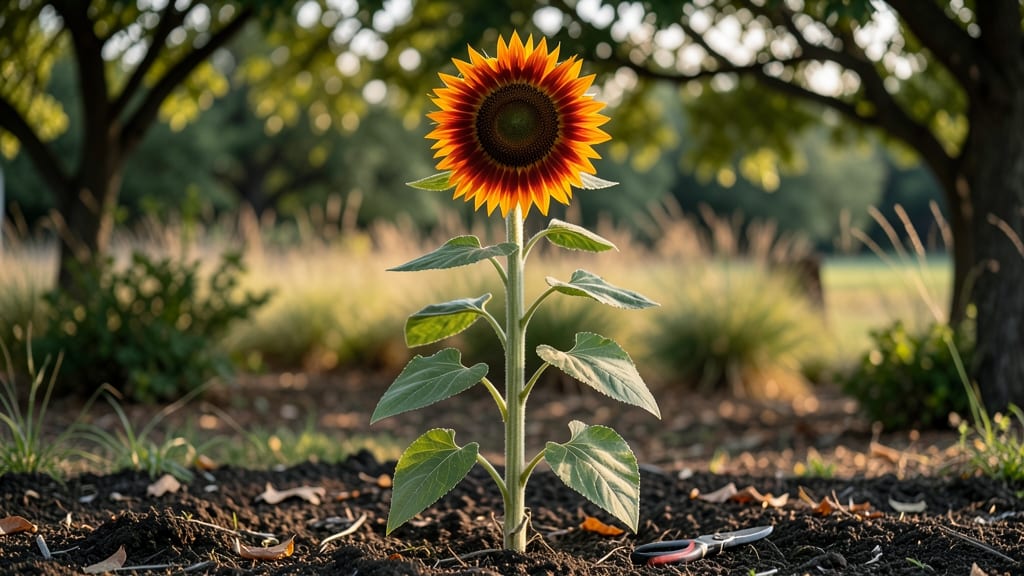
The blood orange sunflower turns your garden into a fiery sunset you can touch—its deep crimson petals glow like molten amber in full light. 🌻 I planted mine last spring, and by midsummer, it became the centerpiece of my border, drawing hummingbirds and bees like a magnet.
The color isn’t just striking; it’s magnetic, making every arrangement feel like a masterpiece before it even blooms.
These sunflowers grow 4-6 feet tall, so they work perfectly in back borders, mixed beds, or even as dramatic cut flowers. Pair them with silver foliage like lamb’s ear or dusty miller to make the color pop even more, or plant them near lavender for a sweet, fragrant contrast.
Their long vase life means you’ll enjoy their bold hue indoors too—just snip a stem and watch it brighten any room.
Beyond their beauty, they’re a pollinator powerhouse, attracting bees and butterflies that’ll transform your garden into a buzzing ecosystem. The seeds are a bonus: dry them for winter arrangements or let them feed birds.
Whether you’re designing a cutting garden or just want a showstopper, this sunflower delivers drama with minimal fuss.
Works in full sun, thrives in well-drained soil, and blooms from mid-summer to frost. Perfect for adding height, color, and life to any space—big or small. Let’s make your garden unforgettable.
📚 In This Guide
- What you need
- Instructions
- Tips and common mistakes
- Wrapping up and next steps
What you need
- ● Blood orange sunflower seeds – Choose Helianthus annuus varieties like 'Orange King' or 'Copper King' (10–20 seeds for a small patch, 50+ for a full border).
- ● Well-draining potting mix or garden soil – Aim for a blend rich in organic matter (e.g., 60% topsoil, 30% compost, 10% perlite).
- ● Containers or garden bed space – For containers: 5–10 gallon pots with drainage holes (1 plant per pot).
- ● For in-ground planting: Full sun (6+ hours daily) and loose, fertile soil.
- ● Watering can or hose with a gentle spray nozzle – Sunflowers dislike soggy roots!
- ○ Fertilizer (optional but recommended) – Balanced 10-10-10 or slow-release organic fertilizer (follow package rates).
- ● Garden gloves – Protect your hands from thorns and soil.
- ● Trowel or small shovel – For transplanting seedlings or digging holes.
- ● Mulch (straw, wood chips, or pine needles) – 2–3 inches to retain moisture and suppress weeds.
- ● Pest control (preventative) – Neem oil or insecticidal soap (for aphids/mealybugs).
- ● Row covers (lightweight fabric) if planting early to deter pests.
- ○ Sunflower companion plants (optional) – Marigolds, basil, or dill to repel pests naturally.
- ● Pollinator-friendly signage – Label your garden to educate visitors!
- ● Shallow water source – A birdbath or saucer with pebbles for bees to drink.
- ● Brightly colored stakes or markers – To highlight your sunflowers in the landscape.
How to grow blood orange sunflowers for stunning color and pollinator support
Here's the straightforward approach I've used to grow these showstopper sunflowers—bold, easy, and packed with pollinator power.
🌱 Step 1: Choose the Perfect Planting Spot
Blood orange sunflowers thrive in full sun—that means at least 6-8 hours of direct sunlight daily. I always scout locations in late afternoon when shadows are longest to find the sunniest patch. These plants tolerate heat well but avoid areas where afternoon shade cuts sunlight short.
Check your soil's drainage by digging a 6-inch deep hole and filling it with water. If it drains completely within 1 hour, your spot is perfect. Slow drainage? Amend the soil with 2-3 inches of coarse sand or perlite mixed into the top 12 inches of soil before planting.
☀️ Step 2: Prepare Soil and Plant at the Right Time
Work 2-3 inches of compost into the top 12 inches of soil to enrich it. Blood orange sunflowers love fertile ground but won’t tolerate soggy conditions. I add a slow-release 10-10-10 fertilizer (about 1/2 cup per plant) at planting time for steady nutrition.
Plant seeds 1/2 inch deep and 12-18 inches apart—closer spacing leads to competition and weaker stems. For 4 plants, space them in a 3-foot square for a striking visual impact. Sow seeds 2-3 weeks after your last frost date when soil temperatures reach at least 55°F. Germination happens in 7-14 days—keep soil moist but not waterlogged until sprouts appear.
💧 Step 3: Water Deeply and Support for Height
Water deeply once a week (about 1 gallon per plant) to encourage strong root growth. Shallow watering leads to weak stems that can’t support the 4-5 foot tall blooms. I water at the base in the early morning to prevent fungal issues from evening moisture.
Install stakes or cages (about 5 feet tall) at planting time. Sunflowers grow fast—3-4 inches per week—and their heavy blooms can snap stems if unsupported. Tie stems loosely with soft plant ties every 2-3 weeks as they grow, avoiding tight knots that restrict circulation.
✂️ Step 4: Maintain and Deadhead for Extended Blooms
Remove any yellowing or diseased leaves immediately to keep plants healthy. Blood orange sunflowers are relatively low-maintenance, but deadheading spent blooms (cutting back to the next set of leaves) encourages secondary blooms and prolongs the show.
Watch for aphids or spider mites on the undersides of leaves—common pests that thrive in dry conditions. Spray with neem oil (mixed as directed) if you spot clusters of tiny insects. These sunflowers are pollinator magnets, so avoid pesticides that harm bees and butterflies.
🪴 Step 5: Harvest Seeds for Next Year’s Garden
Leave 2-3 of the strongest stems to mature fully. Once the flower heads turn brown and dry, cut them off and hang upside-down in a paper bag in a dry, well-ventilated spot. Seeds are ready when they rattle inside the bag—usually 4-6 weeks after flowering.
Store seeds in a cool, dark place (like a sealed jar in the fridge) for up to 2 years. These vibrant blooms self-sow readily, so you might find volunteer plants popping up next season—just thin them to avoid overcrowding.
Tips & tricks for perfect blood orange sunflower growth
These game-changing insights will help you cultivate sunflowers that rival the boldest garden displays—without the guesswork.
Sunlight Strategy: The 6-8 hours of direct sunlight requirement isn't just about duration—it's about intensity. I've found that positioning your plants where they receive morning sun and afternoon shade (if temperatures exceed 90°F) actually prevents stress while still delivering vibrant blooms. Use a sun calculator to map your yard's light patterns before planting.
Soil Science: The drainage test in Step 1 is non-negotiable—waterlogged soil will kill your sunflowers faster than any other factor. For heavy clay soils, mix in 2-3 inches of coarse sand or perlite into the top 12 inches before planting. This creates the perfect air pockets for roots while maintaining moisture retention. Think of it as building a foundation for your sunflowers' towering growth.
Planting Precision: When sowing seeds at the 1/2-inch depth, use a pencil to make small holes—this ensures consistent depth across all seeds. The 12-18 inch spacing might seem generous, but it prevents the fungal diseases that thrive in crowded conditions. For a dramatic display, arrange your 4 plants in a 3-foot square pattern to create visual balance while maintaining proper airflow.
Growth Monitoring: Those 3-4 inches of weekly growth are your progress indicator. Measure your tallest stem every 2 weeks—if growth slows, check for pests or nutrient deficiencies. The 5-foot stakes should be installed when plants reach 12 inches tall to prevent damage to emerging roots. Use soft plant ties that can stretch as stems grow, avoiding the tight knots that restrict circulation and weaken stems.
Pro Tips for Blood Orange Sunflower
- These game-changing insights will help you cultivate sunflowers that rival the boldest garden displays—without the guesswork.
- Sunlight Strategy: The 6-8 hours of direct sunlight requirement isn't just about duration—it's about intensity.
- Soil Science: The drainage test in Step 1 is non-negotiable—waterlogged soil will kill your sunflowers faster than any other factor.
Frequently asked questions
about growing and maintaining Blood Orange Sunflowers—your go-to guide for troubleshooting, timing, and care!When is the best time to plant Blood Orange Sunflowers?
Plant them in early spring after the last frost (USDA Zones 3-10) or in late summer for a fall bloom. These sunflowers thrive in warm soil—wait until temperatures stay above 50°F (10°C) at night. For container growing, start seeds indoors 4-6 weeks before the last frost for an earlier display!
Why aren’t my Blood Orange Sunflowers attracting pollinators?
If bees and butterflies skip your sunflowers, check these fixes:
- Water consistently—drought stress reduces nectar.
- Avoid pesticides (especially neonicotinoids) near blooms.
- Plant companion flowers like cosmos or marigolds nearby.
- Hand-pollinate by gently shaking stems if rain keeps pollinators away.
How do I prevent pests like aphids or sunflower moths from damaging my plants?
Start with prevention:
- Inspect leaves weekly for early signs (sticky residue = aphids; chewed petals = moths).
- Use neem oil or insecticidal soap for mild infestations.
- Encourage ladybugs and lacewings—they love sunflower pests!
- Remove heavily damaged flowers to redirect energy to healthy blooms.
Can I grow Blood Orange Sunflowers in containers, and what’s the ideal pot size?
These sunflowers adapt well to containers if given enough space. Use a pot at least 12–18 inches deep and wide (bigger = more stability). Ensure it has drainage holes and fill with well-draining potting mix. Dwarf varieties (like ‘Moulin Rouge’) thrive in containers, while standard types may need staking for windy spots.
How long do Blood Orange Sunflowers take to bloom, and how do I extend their season?
From seed, expect blooms in 70–90 days with ideal conditions. To prolong their display:
- Deadhead spent flowers to encourage new blooms.
- Plant in succession—sow new seeds every 2–3 weeks for continuous color.
- Choose late-blooming varieties or extend the season in mild climates by planting in early summer.
Wrapping up and next steps
Transforming your garden into a blood orange sunflower haven isn’t just about aesthetics—it’s about creating a thriving ecosystem that repels pests while delighting pollinators. These striking blooms bring color, resilience, and natural pest control to your outdoor space, making them a must-have for any gardener. 🌻✨
Ready to take the next step? Start small—plant a few seeds or cuttings this season and watch your garden flourish with bold crimson beauty. Share your progress with fellow gardeners or even experiment with companion plants to maximize benefits. Your future pollinator paradise awaits!