
Flowers
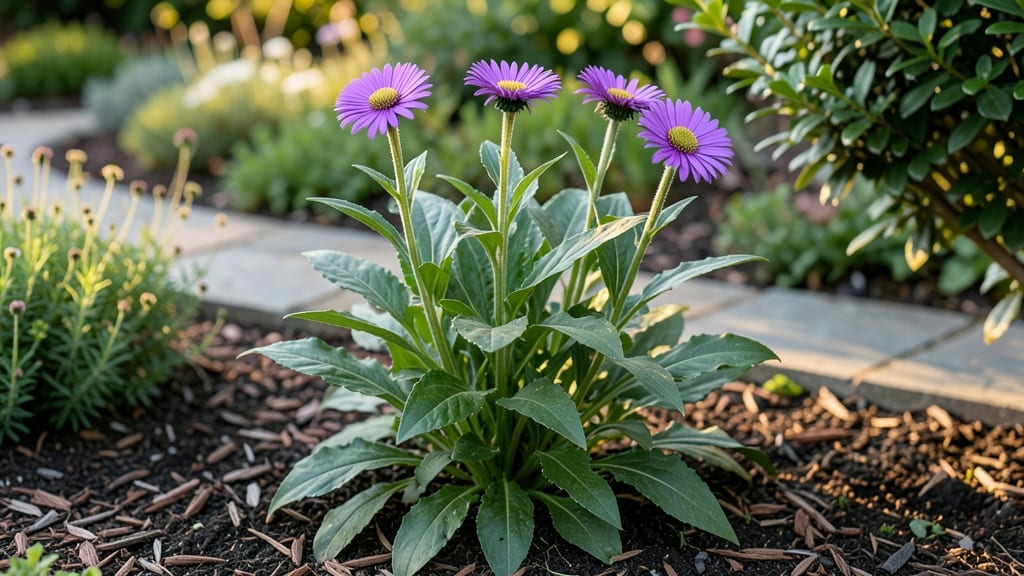
Growing Chinese aster flowers delivers those bold purple blooms that brighten gardens from summer through fall—especially when you follow the right steps.
I learned the hard way that these hardy annuals need cool nights to really shine, but once you get the timing right, they become the star of zones 3-9 with minimal fuss.
The key is starting seeds indoors 6-8 weeks before your last frost, because they bolt faster than you’d expect in hot soil.
These flowers thrive in full sun to partial shade and love well-draining soil mixed with compost—think loamy and slightly acidic (pH 6.0-7.0). Space them 12-18 inches apart to prevent overcrowding, which leads to floppy stems and fewer blooms.
Deadheading spent flowers every few days keeps them producing nonstop blooms until frost, and a light feeding with balanced 10-10-10 fertilizer every 4 weeks gives them the energy to keep up.
You’ll end up with vibrant, long-lasting blooms perfect for cutting (they last 7-10 days in a vase) or lining garden borders. The daisy-like flowers come in shades of purple, pink, and white, and their papery texture adds contrast to any summer arrangement.
Just watch for powdery mildew in humid climates—spraying neem oil preventatively keeps them healthy.
Whether you’re planting in garden beds, containers, or window boxes, Chinese asters adapt easily. For containers, choose pots at least 12 inches deep and group 3-5 plants together for a fuller look.
The secret to their success? Consistency—water when the top inch of soil feels dry, and they’ll reward you with months of effortless color.
📚 In This Guide
- What you need
- Instructions
- Tips and common mistakes
- Wrapping up and next steps
What you need
- ● Seeds: 1 packet of Callistephus chinensis seeds (choose a cool-season variety for best results).
- ● Potting soil: 10-15 lbs of well-draining, organic potting mix (or garden soil amended with compost).
- ● Containers or garden bed: For containers: 5-6" pots (1 per plant) or a raised bed (12" spacing between plants).
- ● For in-ground planting: A sunny spot with loose, fertile soil (full sun, 6+ hours/day).
- ● Watering can or hose: With a gentle spray nozzle for even moisture.
- ● Fertilizer: Balanced 10-10-10 or slow-release granular fertilizer (follow package rates).
- ● Trowel or hand shovel for transplanting.
- ● Pruning shears (for deadheading spent blooms).
- ● Mulch (straw or shredded leaves to retain moisture).
- ● Plant labels (to track varieties if growing multiple types).
- ● Cool-season climate (USDA Zones 3-9; sow seeds 6-8 weeks before frost).
- ● Patience! Seeds germinate in 7-14 days with consistent moisture.
Step-by-step guide for growing Chinese asters in cool-season gardens
Here’s how to coax those dramatic purple blooms from seed—my foolproof method for thriving plants.
🌱 Step 1: Start Seeds Indoors at the Right Time
Chinese aster seeds need 8-10 weeks of indoor growing before transplanting. I begin mine 6-8 weeks before the last frost date in my zone. Use sterile seed-starting mix in 2-3 inch deep containers—never garden soil, which can harbor fungal diseases that will rot tender seedlings.
Sow seeds ¼ inch deep and keep the soil consistently moist at 65-70°F for germination. A seedling heat mat speeds this up, but even without one, expect sprouts in 10-14 days. Watch for first true leaves (not the initial seed leaves) before moving to brighter light. If your seedlings stretch toward the window, they’re begging for more light—adjust your grow light to 2-3 inches above the plants.
☀️ Step 2: Harden Off and Transplant After Frost
Chinese asters love cool weather and even tolerate light frost, but they need time to adjust. Start hardening off 2 weeks before transplanting by placing seedlings outside in partial shade for 1-2 hours the first day. Gradually increase exposure over 7-10 days, ending with a full day in the garden.
Transplant after the last frost when soil temperatures are 50-55°F. Space plants 12-18 inches apart in well-draining soil enriched with 2-3 inches of compost. Dig a hole twice as wide as the root ball to encourage root spread. Water deeply at planting to settle the soil and eliminate air pockets around roots.
💧 Step 3: Water and Feed for Continuous Blooms
Chinese asters thrive in moist but not soggy soil. Water 1-2 inches per week, adjusting for rain. Let the top 1-2 inches of soil dry out between waterings to prevent root rot. Mulch with 1-2 inches of organic mulch to retain moisture and suppress weeds—this is especially critical in hot afternoons.
Feed with a balanced liquid fertilizer (10-10-10) every 3-4 weeks starting when plants reach 6 inches tall. For bigger blooms, switch to a phosphorus-heavy fertilizer (5-10-5) when buds form. Deadhead spent flowers regularly to encourage more blooms—this plant keeps producing until frost if you keep it happy.
✂️ Step 4: Prune and Protect for Long-Lasting Display
Pinch back tips of young plants when they’re 4-6 inches tall to encourage bushier growth. This step is non-negotiable—skipping it leads to leggy, weak stems that flop under heavy blooms. After flowering, cut back one-third of the plant to promote a second flush of blooms in fall.
Watch for Japanese beetles and aphids, which love aster flowers. Spray with neem oil at the first sign of pests. In windy areas, stake taller varieties or plant in sheltered spots—these plants can get top-heavy with blooms. If frost threatens before you’re done admiring them, cut stems and bring indoors for 2-3 weeks of vase life.
Tips & tricks for perfect Chinese aster blooms
Mastering these purple beauties starts with understanding their cool-season quirks—here’s how to avoid common pitfalls.
Timing Secret: The 8-10 week indoor growing period is non-negotiable for hardy seedlings. I set reminders 6-8 weeks before last frost to stay on track—skipping this window often results in weak, leggy plants that struggle outdoors. For northern gardeners, start even earlier if your growing season is short.
Lighting Strategy: Those first true leaves are your signal to move seedlings under brighter light immediately. I use a simple LED grow light on a timer (14-16 hours daily) positioned just 2-3 inches above the plants. Without proper light, seedlings stretch toward windows and develop weak stems that can’t support heavy blooms later.
Transplanting Technique: When transplanting at 50-55°F soil temperatures, dig holes twice as wide as the root ball to encourage root spread. This simple step prevents transplant shock by minimizing root disturbance. Water deeply right after planting to settle soil around roots—don’t skip this crucial step, as it makes all the difference in establishment.
Fertilizer Timing: The switch from balanced (10-10-10) to phosphorus-heavy (5-10-5) fertilizer when buds form is what produces those showstopping blooms. I make this transition about 4-6 weeks after transplanting, when plants are actively flowering. Over-fertilizing early leads to leafy growth at the expense of blooms.
Pro Tips for Chinese Aster Flower
- Mastering these purple beauties starts with understanding their cool-season quirks—here’s how to avoid common pitfalls.
- Timing Secret: The 8-10 week indoor growing period is non-negotiable for hardy seedlings.
- Lighting Strategy: Those first true leaves are your signal to move seedlings under brighter light immediately.
Frequently asked questions
Got questions about growing and caring for Chinese aster flowers? You’re not alone! Here are some of the most common queries—plus expert answers to help you cultivate stunning purple blooms with ease.
When is the best time to plant Chinese aster flowers?
Plant them in early spring (4–6 weeks before the last frost) or late summer (6–8 weeks before the first frost). This gives roots time to establish before winter. For cooler climates, spring planting is ideal—just avoid planting too early if frost is still a risk!
How often should I water Chinese aster flowers?
Keep soil consistently moist but not soggy, especially during the first growing season. Water at the base (not the leaves) to prevent fungal diseases. Once established, they’re drought-tolerant but bloom best with 1–1.5 inches of water weekly. Mulch helps retain moisture!
Why aren’t my Chinese aster flowers blooming?
Blooms may skip if plants lack sunlight (they need 6+ hours of full sun daily), nutrients (feed with balanced fertilizer in spring), or deadheading. Snip spent blooms to encourage more flowers. Overcrowding or poor drainage can also stunt growth—space plants 12–18 inches apart.
Can I grow Chinese aster flowers in containers?
Yes! Use large pots (12+ inches deep) with drainage holes and well-draining soil. Choose compact varieties like ‘Allegro’ or ‘Royal Ruby’. Place containers in full sun and water regularly. Just watch for root-bound stress—repot every 2–3 years if needed.
What pests should I watch for with Chinese aster flowers?
Common culprits include aphids, slugs, and Japanese beetles. For aphids, spray with soapy water. Slugs? Use beer traps or diatomaceous earth. Handpick beetles early in the day. Neem oil can also deter pests naturally—just apply in the evening to avoid harming pollinators.
Wrapping up and next steps
Growing Chinese aster flowers is a rewarding journey that brings vibrant purple blooms to your garden—especially in cooler climates! 🌸 With the right soil, sunlight, and care, these hardy plants will reward you with stunning displays year after year.
Whether you're a seasoned gardener or just starting out, their resilience and beauty make them a must-try.
Ready to dive in? Start by gathering your supplies and give these blooms the love they deserve. Happy gardening—your future purple paradise awaits! 🌿✨