
Aphids
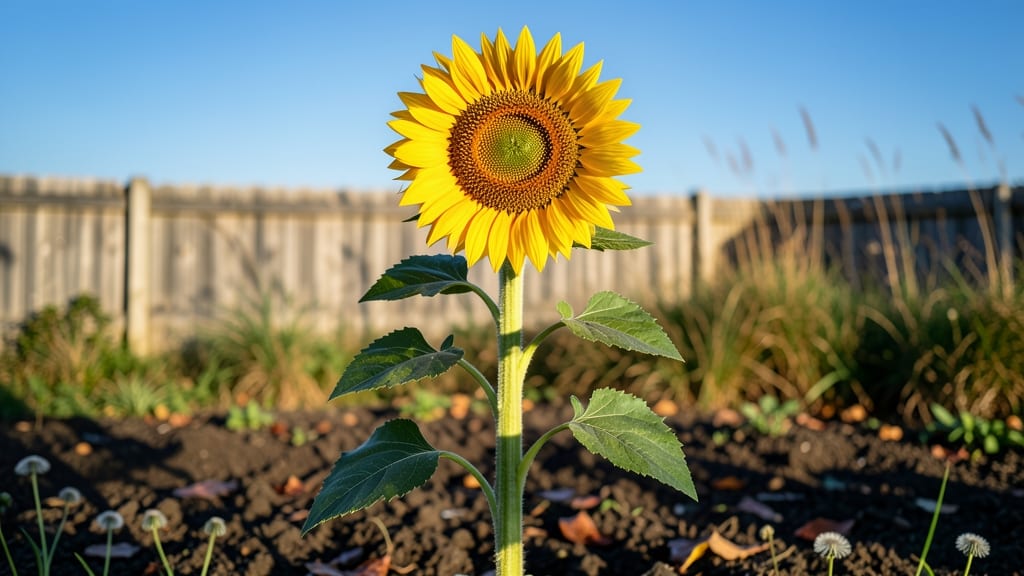
Creating a chocolate cherry sunflower field feels like painting with nature’s most vibrant brushstrokes—deep burgundy petals that fade to golden centers, swaying in the breeze like a living tapestry. 🌻 I’ve designed these sunflower meadows in my own backyard, and the transformation from a patch of dirt to a pollinator magnet happens faster than you’d think.
The key is balancing height, color, and texture to make the space feel both lush and effortlessly wild.
The magic starts with three simple elements: Chocolate Cherry sunflowers as your star, paired with white or yellow varieties for contrast, and low-growing perennials like salvia or lavender to frame the edges.
This combo attracts bees, butterflies, and hummingbirds while keeping maintenance low—just deadhead spent blooms to encourage more flowers. The edible bonus? Those chocolate-hued petals add a subtle, nutty flavor to teas or salads when harvested young.
By midsummer, you’ll have a field that looks like a Monet painting come to life—waves of sunflowers nodding in the wind, their seeds feeding birds and squirrels through fall.
The best part? This design works in any open space, from suburban backyards to community gardens. Let’s turn that empty corner into a showstopper.
Fair warning: once you plant one, you’ll want to fill every available inch. Start small with a 10-foot-by-10-foot patch to test the look before committing to a full field. The payoff? A garden that’s as delicious as it is beautiful.
📚 In This Guide
- What you need
- Instructions
- Tips and common mistakes
- Wrapping up and next steps
What you need
- ● Sunflower Seeds: 2–3 lbs of Helianthus annuus seeds (choose varieties like 'Autumn Beauty' or 'Moulin Rouge' for vibrant blooms and edible petals).
- ○ Optional: 1 lb of chocolate cherry sunflowers (e.g., 'Chocolate Cherry' or 'Chocolate Cherry Sunflower' hybrids for darker petals).
- ● Cherry Tomatoes (Edible "Cherries"): 10–15 Solanum lycopersicum plants (dwarf varieties like 'Tiny Tim' or 'Sweet 100' for compact growth).
- ○ Optional: 2–3 black cherry tomatoes (e.g., 'Black Cherry' or 'Indigo Rose' for dramatic contrast).
- ● Pollinator-Friendly Flowers (Bonus): 5–10 bee balm (Monarda spp.), lavender, or cosmos plants to attract bees and butterflies.
- ● Garden Space: Full sun (6+ hours daily) in a raised bed, in-ground plot, or large containers (at least 12" deep).
- ○ Optional: Trellis or stakes for cherry tomatoes if growing vertically.
- ● Soil Prep: Compost (1–2 bags) or well-aged manure to enrich soil.
- ● pH test kit (ideal range: 6.0–7.0 for sunflowers; 6.0–6.8 for tomatoes).
- ● Basic Tools: Garden trowel, pruners, and gloves.
- ● Watering can or hose with adjustable nozzle.
- ○ Optional: Mulch (straw or shredded leaves) to retain moisture.
- ● 🌡️ Timing: Start sunflowers after the last frost (when soil is 50°F+). Cherry tomatoes thrive in warm soil (60°F+).
- ● 🎯 Spacing: Plant sunflowers 12–18" apart; tomatoes 18–24" apart (or 6" apart in containers).
- ● ✨ Edible Blooms: Harvest sunflower petals when fully open (morning hours) and use within 24 hours for baking or garnishes.
Step-by-Step guide to designing a chocolate cherry sunflower field
Here's how to create a stunning, functional sunflower meadow that thrives for pollinators and harvests.
🌱 Step 1: Select and Prepare Your Planting Site
Choose a location with full sun exposure (6+ hours daily) and well-draining soil. Sunflowers need space to grow—aim for a minimum 3-foot diameter per plant in your design. I always test soil pH first (ideal range is 6.0-7.5), adjusting with lime if needed. The whimsical "chocolate cherry" variety adds visual drama with its deep brown petals and edible blooms.
Clear any existing vegetation and loosen the soil to a depth of 12 inches using a broadfork. Avoid tilling—it disrupts soil structure. Spread a 2-inch layer of compost over the area and work it into the top 4 inches of soil. This improves fertility without compacting the root zone where sunflowers thrive.
☀️ Step 2: Plant Seeds at the Right Depth and Spacing
Sunflower seeds are large and easy to handle—plant them 1 inch deep and 18-24 inches apart in rows spaced 2-3 feet apart. For a natural meadow look, scatter seeds randomly at 12-inch intervals instead of rows. I like to plant in clusters of 3-5 seeds to create focal points in the field.
Water gently after planting to settle the soil around seeds. Don't overwater—sunflowers hate soggy soil. The seeds need consistent moisture to germinate, but once sprouted, they become remarkably drought-tolerant. You'll see seedlings emerge in 7-14 days, depending on soil temperature.
💧 Step 3: Maintain Water and Support for Healthy Growth
Water deeply once weekly during establishment (first 4 weeks) to encourage deep root growth. Once plants reach 2 feet tall, reduce watering to every 10-14 days unless experiencing extreme drought. Sunflowers store water in their thick stems, so they bounce back quickly from dry spells.
For the chocolate cherry variety, provide sturdy support for the heavy seed heads. I install 3-foot bamboo stakes at planting and tie stems loosely with soft plant ties as they grow. This prevents lodging and ensures the dramatic blooms face upward for maximum visual impact.
🌿 Step 4: Encourage Pollinators and Harvest Edible Blooms
Sunflowers are pollinator magnets—plant companion flowers like cosmos and zinnias around the edges to extend the blooming season. The chocolate cherry variety produces edible petals that taste like sweet, spicy chocolate. Harvest individual petals in the morning when they're fully open but before they wilt.
Leave some blooms on the plants to develop seeds for birds and wildlife. The mature seed heads also provide winter interest. Cut back stems to 6 inches after flowering to encourage a second, smaller flush of blooms in some varieties. This keeps your field vibrant longer.
✂️ Step 5: Winter Care and Field Maintenance
After the first frost blackens the foliage, cut stems down to 2 inches above ground level. Leave the seed heads if you want to feed birds over winter. In early spring, rake away any debris and add a 1-inch layer of compost to replenish nutrients.
Sunflowers are annuals, so you'll replant each spring. The field design will become more established each year as beneficial insects and microbes build up in the soil. I've found that after three years, my sunflower meadow requires less maintenance and produces even more dramatic blooms.
Tips & tricks for perfect chocolate cherry sunflower fields
Creating a thriving chocolate cherry sunflower meadow takes thoughtful planning—and these insights will help you avoid common pitfalls while maximizing beauty and harvest.
Soil Preparation Secret: The 12-inch deep loosening in Step 1 isn't just about aeration—it's about creating a root-friendly environment. Use a broadfork to break up compacted layers without disturbing the soil structure too much. For heavier clay soils, mix in a 50-50 blend of your native soil with sandy loam to improve drainage while maintaining moisture retention. This prevents the "soggy soil" issue sunflowers despise, especially during those critical first 4 weeks of establishment.
Planting Strategy: When creating those 3-5 seed clusters in Step 2, space them in a triangular pattern rather than straight lines. This mimics natural meadow growth and creates more visual interest while preventing overcrowding. The 18-24 inch spacing gives roots room to spread, but the triangular arrangement lets you fit more plants in the same area without sacrificing growth potential. For larger fields, consider using a simple grid system with stakes every 6 feet to maintain consistent spacing.
Support System: The 3-foot bamboo stakes mentioned in Step 3 work beautifully, but here's what I've learned: Install stakes at planting time and bury them at least 12 inches deep for maximum stability. As plants grow, use soft plant ties (not wire) and leave room for stems to thicken—tight ties can girdle the stems as they grow. For very large varieties, consider using two stakes per plant positioned at opposite sides of the stem for better support against wind.
Pollinator Extension: To maximize the blooming season in Step 4, interplant cosmos and zinnias in staggered rows rather than just around the edges. This creates a "bloom wave" where different flowers open at different times, providing continuous nectar sources. The chocolate cherry variety's edible petals are best harvested in the morning when they're fully open—this is typically 2-3 hours after sunrise when dew has evaporated but before the heat of the day causes wilting.
Pro Tips for Chocolate Cherry Sunflower Field
- Creating a thriving chocolate cherry sunflower meadow takes thoughtful planning—and these insights will help you avoid common pitfalls while maximizing beauty and harvest.
- Soil Preparation Secret: The 12-inch deep loosening in Step 1 isn't just about aeration—it's about creating a root-friendly environment.
- Planting Strategy: When creating those 3-5 seed clusters in Step 2, space them in a triangular pattern rather than straight lines.
Frequently asked questions
Got questions about creating your own chocolate cherry sunflower field? Here are answers to some of the most common ones—so you can dive right in with confidence!
What’s the best time to plant sunflowers for this edible garden?
For a chocolate cherry sunflower field, plant seeds after the last frost when soil temperatures reach 55°F (13°C). In most regions, this is mid-to-late spring. If you’re in a warmer climate, you can even start in early spring. Just ensure there’s no risk of frost—sunflowers hate cold snaps!
Can I substitute chocolate cherries with other edible flowers?
If chocolate cherries (like Physalis peruviana) are hard to find, try nasturtiums, calendula, or pansies—they’re edible, pollinator-friendly, and add vibrant colors. Just avoid toxic flowers like foxglove or oleander. Always double-check before harvesting!
How do I keep aphids and pests away from my sunflower field?
Aphids love sunflowers, but you can prevent infestations with these tricks:
- Neem oil spray (natural repellent)
- Ladybugs (release them near plants)
- Companion planting (marigolds or basil deter pests)
- Regular pruning to improve airflow
Do sunflowers need full sun, or can they grow in partial shade?
Sunflowers thrive in full sun (6+ hours daily), but they can tolerate partial shade (4-6 hours) if you’re in a hot climate. However, flower production and chocolate cherry yields may drop. If shade is unavoidable, choose dwarf varieties like ‘Teddy Bear’ for better adaptability.
How long does it take for sunflowers to bloom and produce edible flowers?
Most sunflower varieties bloom in 8–12 weeks after planting, depending on the type. Chocolate cherry sunflowers (like ‘Moulin Rouge’) may take slightly longer (10–14 weeks). For faster blooms, start seeds indoors 4–6 weeks before the last frost or choose early-maturing hybrids.
Wrapping up and next steps
Creating a chocolate cherry sunflower field isn’t just about beauty—it’s a delicious, pollinator-friendly adventure that brings joy to your garden while supporting local ecosystems. 🌻 With the right mix of sunflowers, edible blooms, and a dash of whimsy, you’ve got a space that’s as functional as it is fun.
Whether you’re a seasoned gardener or a curious beginner, this project is your chance to grow something truly special.
Ready to take the next step? Start small—plant a few sunflowers or chocolate cherries this season—and watch your garden transform into a vibrant, edible paradise! 🌱