
Flowers
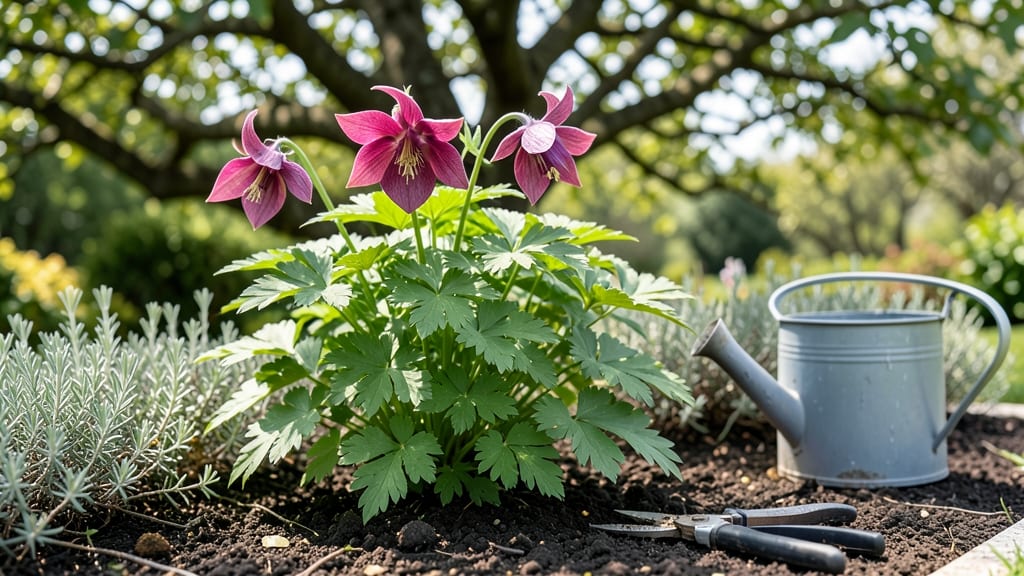
These columbine pictures flower swaying in cobalt, pink, and white still feel like magic—nature’s vertical jewels dangling in spring gardens, just as I first saw them nodding in a dappled forest. 🌿 a secret language only the garden could speak.
Their unique, spurred petals and airy stems create movement even on still days, making them perfect for adding drama without overwhelming a space.
These hardy perennials thrive in partial shade, making them ideal for underplanting shrubs or brightening shady corners where other flowers struggle. The key to their charm lies in their versatility: they work as border plants, cottage garden accents, or even container stars.
My favorite trick? Pairing them with ferns and hostas for a woodland retreat vibe that feels effortlessly natural. They self-seed reliably too, so once established, they reward you with more color each year.
Imagine your garden in late spring, when columbines become the star of the show—delicate blooms nodding in the breeze, their colors popping against lush green foliage. They attract hummingbirds and bees, turning your space into a pollinator magnet.
The best part? Their frost tolerance means they often bloom earlier than many spring flowers, giving you weeks of vertical interest before summer takes over. Ready to let them steal the show?
Whether you're designing a formal border or a wildflower meadow, columbines adapt beautifully. Try them in mass plantings for a sea of color or as focal points in mixed beds. Their vertical growth habit also makes them perfect for slopes or rocky areas where other plants might struggle.
The possibilities are endless—let these vertical jewels transform your garden into a living work of art.
📚 In This Guide
- What you need
- Instructions
- Tips and common mistakes
- Wrapping up and next steps
What you need
- ● Columbine Seeds or Plants: Choose Aquilegia formosa (Western Columbine) or Aquilegia caerulea (Rocky Mountain Columbine) for Pacific Northwest resilience.
- ● Quantity: 10–20 seeds (or 3–5 nursery-grown plants for immediate blooms).
- ● Well-Draining Soil: Mix 1 part compost with 2 parts native soil (pH 6.0–7.5).
- ● Sunlight: Partial shade (4–6 hours of morning sun) in hotter climates; full sun in cooler PNW regions.
- ● Watering Can or Hose: With a gentle spray nozzle (Columbines hate soggy roots!).
- ● Mulch: 2–3 inches of organic mulch (cedar bark or straw) to retain moisture.
- ● Camera: DSLR/mirrorless (e.g., Canon EOS Rebel, Sony A6000) or smartphone with macro mode (iPhone 13+ or Google Pixel 7).
- ● Tripod: Lightweight (e.g., Joby GorillaPod) for steady shots of delicate blooms.
- ○ Macro Lens (Optional): 60mm–100mm for up-close details (e.g., Canon EF 100mm f/2.8L).
- ● Reflector: 5-in-1 reflector to enhance natural lighting.
- ● Editing Software: Free options: GIMP or Canva; pro tools: Adobe Lightroom.
- ● Dried Columbine Flowers: Harvest after blooms fade; hang upside-down in bundles for 2–3 weeks.
- ● Floral Preservation Kit: Silica gel or glycerin-based spray for long-lasting arrangements.
- ● Scissors/Pruners: Sharp bypass pruners (e.g., Felco F2) for clean cuts.
- ● Vases/Jars: Clear glass (e.g., mason jars) to showcase vibrant colors.
How to plant and care for Pacific Northwest columbine flowers
Here's how to grow these stunning vertical blooms that thrive in cool climates.
🌱 Step 1: Choose the Perfect Location
Columbine flowers love partial shade, especially in hot afternoons. In the Pacific Northwest, a spot with morning sun and afternoon shade works best—think dappled light under deciduous trees or along north-facing foundations. They tolerate full shade but may produce fewer blooms.
Here's the thing—columbine grows naturally in rocky, well-draining soil. If your garden has heavy clay, amend with 2-3 inches of compost to improve drainage. You'll see the best results when the soil stays moist but never soggy. A slight slope helps prevent water pooling around roots.
☀️ Step 2: Plant at the Right Time and Depth
Spring or fall planting gives columbine time to establish roots before summer heat or winter cold. Dig a hole twice as wide as the root ball but only as deep—planting too deep suffocates the crown. Gently loosen roots if they're circling tightly in the container.
Space plants 12-18 inches apart for a natural, airy look. Columbine has a unique vertical growth habit, so avoid crowding. Water deeply right after planting to settle the soil around roots. You'll know it's done right when the soil surface looks slightly firm but not compacted.
💧 Step 3: Water and Feed for Strong Growth
Keep soil consistently moist during the first growing season, especially in summer. Water when the top inch feels dry—columbine roots are shallow and need steady moisture. Once established, they're quite drought-tolerant but still prefer regular watering.
Feed with a balanced 10-10-10 fertilizer in early spring and again after flowering. Too much nitrogen makes leaves grow at the expense of blooms. You'll see the best flowers when plants get moderate but not heavy feeding. Mulch with 2-3 inches of organic mulch to retain moisture and keep roots cool.
✂️ Step 4: Deadhead and Maintain for Continuous Blooms
Cut back faded flower spikes to encourage more blooms throughout the season. Use clean pruners and cut just above a set of leaves. This prevents seed formation and redirects energy to new growth. You'll notice fresh buds forming within 2-3 weeks of deadheading.
In late fall, cut back stems by half their height to tidy the plant and prepare for winter. Columbine is frost-resistant, but this pruning helps prevent disease buildup. Leave the basal rosette of leaves—it's where next year's flowers will emerge.
🌿 Step 5: Protect and Enjoy Year After Year
Columbine thrives in the Pacific Northwest's climate but benefits from winter protection in harsh winters. Apply a 2-3 inch layer of mulch after the first frost. This insulates roots and prevents heaving during freeze-thaw cycles.
These flowers are deer-resistant and attract hummingbirds, making them a low-maintenance, high-reward addition. With proper care, they'll return year after year, their unique blossoms adding vertical interest to your garden. Here's the moment that matters: watch for those first spring shoots in early March—they're a sure sign your columbine is happy and ready to bloom again.
Tips & tricks for perfect Pacific Northwest columbine planting
Here's what nobody tells you about growing these stunning vertical blooms—little details that make all the difference.
Soil Prep Secret: Before planting, mix in a handful of perlite or coarse sand with your 2-3 inches of compost to create that ideal rocky, well-draining texture columbine loves. I learned this the hard way after watching my first batch struggle in pure clay soil—those roots need air! The extra grit mimics their natural mountain habitat perfectly.
Planting Depth Visual: When creating that hole only as deep as the root ball, imagine the top of the root ball sitting just below the soil line—never buried. A simple trick: use a pencil to mark the depth on the container before planting. Too deep and you'll smother the crown; just right and you'll see vigorous growth within weeks.
Deadheading Timing: Those 2-3 weeks between deadheading and new buds forming might feel slow, but consistency pays off. I set a reminder for every 3 weeks during bloom season—it's the secret to non-stop color. And here's the thing: the more you deadhead, the more your columbine will reward you with those iconic vertical spires.
Winter Protection Hack: For that 2-3 inch mulch layer after first frost, I use a mix of straw and fallen leaves—it breaks down slowly and adds nutrients. Pro tip: Pile mulch higher (3-4 inches) around the base where stems emerge, as that's where cold damage often starts. Your plants will thank you with stronger returns next spring.
Pro Tips for Columbine Pictures Flower
- Here's what nobody tells you about growing these stunning vertical blooms—little details that make all the difference.
- Soil Prep Secret: Before planting, mix in a handful of perlite or coarse sand with your 2-3 inches of compost to create that ideal rocky, well-draining texture columbine loves.
- Planting Depth Visual: When creating that hole only as deep as the root ball, imagine the top of the root ball sitting just below the soil line—never buried.
Frequently asked questions
Got questions about Columbine flowers? You’re not alone! Here are some of the most common inquiries—plus quick, practical answers to help you grow and enjoy these stunning vertical blooms with ease.
What’s the best time to plant Columbine flowers in the Pacific Northwest?
For optimal growth, plant Columbine seeds in early spring (March–April) or late summer (August–September). If starting from transplants, late fall (October) works too—just ensure soil temps stay above 40°F (4°C). Columbines thrive in cool weather and even tolerate light frost, making them perfect for PNW’s unpredictable climate!
How tall do Columbine flowers grow, and do they need support?
Most Columbine varieties reach 12–36 inches (30–90 cm) tall, with some dwarf types staying under 12 inches. While they’re self-supporting, their sprawling stems may flop in windy PNW gardens. For taller varieties, tuck them near trees, shrubs, or a trellis to mimic their natural woodland habitat. Pro tip: Deadhead spent blooms to encourage more vertical growth!
Are Columbine flowers deer- or rabbit-resistant?
Yes! Columbines are highly deer- and rabbit-resistant thanks to their mildly toxic foliage (when eaten in large quantities). However, young seedlings can still attract nibbles. For extra protection, plant them near deer-resistant companions like foxglove, lavender, or Russian sage.
Why aren’t my Columbine flowers blooming?
If your Columbines are leafy but not flowering, check these common culprits:
- Too much shade: They need 4–6 hours of sun (partial shade is fine in hot PNW summers).
- Over-fertilizing: Rich soil can boost foliage but reduce blooms. Use a low-phosphorus fertilizer or skip it entirely.
- Crowded roots: Thin out plants if they’re overgrown—Columbines prefer airy soil.
- First-year plants: Many Columbines bloom in their second year.
Can I grow Columbines in containers, and what’s the best soil mix?
Columbines thrive in containers (12+ inches deep) with these key soil conditions:
- Well-draining mix: Combine 50% potting soil, 30% perlite, and 20% compost.
- Avoid soggy roots: Add gravel or sand to the bottom for drainage.
- Sunlight: Place in morning sun + afternoon shade (e.g., a north-facing patio).
Wrapping up and next steps
The Columbine flower isn’t just a stunning addition to your garden—it’s a hardy, vertical gem that thrives in the Pacific Northwest’s cool, often frosty climate. Whether you’re drawn to its delicate blooms, vibrant colors, or resilience, these flowers bring both beauty and practicality to any outdoor space. 🌸
Ready to bring a touch of the PNW’s charm to your garden? Start by choosing your favorite variety—whether it’s the classic Aquilegia formosa or a bold hybrid—and gather your supplies. Then, plant with confidence, knowing these flowers will reward you with years of effortless elegance. Happy gardening! 🌿