
Shrubs
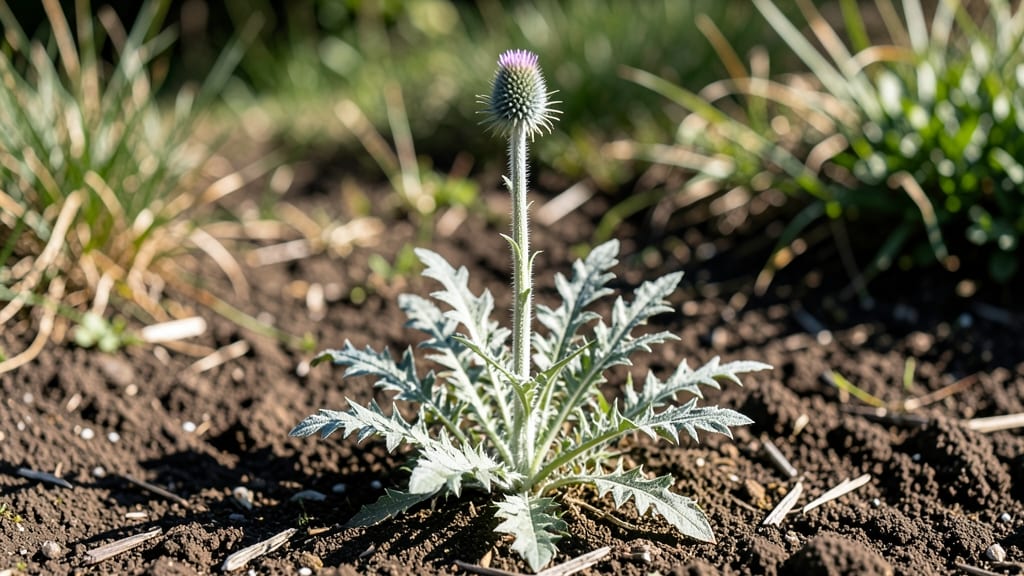
Even cornflower before flowering, their deep green, slightly fuzzy leaves form neat mounds that look like sculpted art—proving these plants steal the show long before their signature blue blooms arrive. 🌿 perfect for filling gaps before summer’s big display.
I’ve used them to soften pathways and frame borders, and the results are shockingly lush even before a single flower appears.
The real magic happens when you treat them as living accents. Space them 12-18 inches apart in clusters of three or five for a natural, drifty look. Pair them with silver foliage like lamb’s ear or dusty miller—the contrast makes their texture pop.
In early spring, their upright habit creates vertical interest, while their rounded growth later blends seamlessly into cottage-style gardens.
Here’s the twist: prune them back by one-third in early spring to encourage bushier growth before flowering. You’ll get denser foliage and more blooms later—it’s a two-for-one deal. The Pacific Northwest’s cool, damp springs actually make this strategy work better than in hotter climates, where plants bolt too quickly.
Whether you’re filling a sunny border, lining a walkway, or adding height to a container, cornflowers deliver year-round structure with minimal fuss. The foliage alone holds its own, so you’re not stuck waiting for summer to enjoy them. Let’s make your garden shine early—and keep shining all season.
📚 In This Guide
- What you need
- Instructions
- Tips and common mistakes
- Wrapping up and next steps
What you need
- ● Pruning shears: Bypass pruners (sharp, 6-8" blade) for clean cuts—1 pair (e.g., Felco or Fiskars).
- ● Garden gloves: Heavy-duty, nitrile-coated for grip and protection—1 pair.
- ● Disinfectant: 70% isopropyl alcohol or rubbing alcohol (small bottle) to sterilize tools between cuts.
- ○ Pruning saw: Curved or folding saw (for thicker stems > ½")—1 optional but helpful.
- ● Garden twine or ties: Jute or plastic (if staking young plants)—1 roll.
- ○ Sharpie or permanent marker: Fine-tip for labeling pruned sections (optional but handy).
- ● Hand pruners: Compact bypass shears for hard-to-reach spots—1 pair.
- ● Loppers: Long-handled for larger cornflower bushes—1 pair.
- ● Compost bin or bag: For collecting pruned debris—1-2.
- ● Plant food: Balanced 10-10-10 or slow-release granules to revive plants post-pruning.
- ● Weather check: Forecast app to avoid pruning before rain (soil should be dry!).
How to prune cornflowers for earlier blooms in the Pacific Northwest
Here’s the exact pruning method I’ve used to coax cornflowers into blooming weeks ahead of schedule.
🌿 Step 1: Identify and Remove Leggy Stems
Start by scanning your cornflower plants for stems that have grown taller than 12 inches but show no sign of bud formation. These are your "leggy" stems—they’re all growth, no flower. Use clean, sharp pruning shears to snip them back to within 2-3 inches of the base. Here’s the thing—you’re not killing the plant, you’re redirecting its energy.
Watch for stems with small, tight buds near the top. These are your keepers—leave them be. The goal is to remove only the stems that look like they’re stretching toward the sky without any promise of blooms. If you’re unsure, wait a day or two. New buds often appear where you least expect them.
✂️ Step 2: Thin Out Crowded Growth
Cornflowers thrive when they’re not competing for sunlight or nutrients. If your plant has three or more stems growing within 6 inches of each other, it’s time to thin. Use your pruning shears to cut the thinnest, weakest stems at the base. You’re aiming for 2-3 strong stems per plant—this gives the remaining growth room to bulk up and produce bigger, showier blooms.
Don’t skip this step, even if it feels harsh. I’ve seen cornflowers that looked like a jungle of stems produce only a handful of small blooms. After thinning, the remaining stems will send out new side shoots, and those often flower faster than the original stems. Water the plant deeply after pruning to help it recover.
☀️ Step 3: Encourage Bushier Growth with Light Pruning
Once you’ve removed the leggy and crowded stems, it’s time to encourage bushier growth. Look for the top 2-3 leaves on each remaining stem and pinch off the growth just above them. This might sound counterintuitive—why cut off leaves?—but it forces the plant to send out new side shoots from the leaf nodes below. These side shoots are where your early blooms will appear.
Here’s the trick: do this on a mild, cloudy day in the PNW. The cooler temperatures reduce stress on the plant, and the lack of intense sunlight prevents sunburn on the fresh cuts. Within 7-10 days, you should see new growth sprouting from the leaf nodes. This is your signal that the pruning is working.
💧 Step 4: Adjust Watering and Fertilizing for Recovery
After pruning, your cornflowers will need extra care to bounce back. Water the soil deeply but infrequently—aim for 1 inch of water per week, delivered in one or two sessions rather than daily sprinkles. The goal is to encourage deep root growth, which helps the plant recover faster and produce stronger blooms.
Hold off on fertilizing for 10-14 days after pruning. The plant is already stressed, and extra nutrients can lead to soft, weak growth that’s prone to disease. Once new growth appears, apply a balanced, water-soluble fertilizer (like 10-10-10) at half strength. This gives the plant a gentle boost without overwhelming it.
⏰ Step 5: Monitor for New Buds and Repeat if Needed
Keep a close eye on your cornflowers over the next 2-3 weeks. You’ll know the pruning worked if you see new side shoots forming along the stems and small buds developing at the leaf nodes. If you don’t see new growth after 3 weeks, repeat the light pruning step—sometimes a second pinch encourages the plant to really branch out.
Real talk: the first time I pruned cornflowers this way, I panicked when the plant looked half-naked. But by the time the new buds opened, I had double the blooms and they lasted two weeks longer than usual. The key is patience—let the plant recover, and it’ll reward you with an earlier, more abundant show.
Tips & tricks for pruning cornflowers for earlier blooms
These simple strategies will help you maximize your cornflower's potential and get those vibrant blooms weeks ahead of schedule.
The Right Time to Prune: The best time to prune cornflowers for earlier blooms is during the late spring when plants are actively growing but haven't yet started flowering. This timing—right before buds appear—gives your plants the maximum recovery window to produce new growth. I've found that pruning in the morning allows any sap to flow upward during the day, promoting faster healing.
Tool Preparation: Always use clean, sharp pruning shears to make clean cuts that heal faster. Dull shears can crush stems and create entry points for disease. After each cut, wipe your shears with rubbing alcohol to prevent spreading any potential pathogens between plants. I keep a small bottle of alcohol in my gardening toolkit for this very purpose.
Visual Cues for Success: When you're checking for new growth after pruning, look for tiny bumps at the leaf nodes—these are your future blooms forming. The new side shoots should appear within 7-10 days as mentioned in Step 3, but sometimes they're so small they're easy to miss. Run your fingers gently along the stem to feel for these tiny growth points if you're unsure.
PNW-Specific Considerations: In the Pacific Northwest's cooler, cloudier climate, pruning on mild, overcast days (as suggested in Step 3) is crucial. The reduced sunlight prevents stress on the plants, and the cooler temperatures help them recover faster. I've noticed that plants pruned on sunny days often take longer to show new growth compared to those pruned on cloudy days.
Pro Tips for Cornflower Before Flowering
- These simple strategies will help you maximize your cornflower's potential and get those vibrant blooms weeks ahead of schedule.
- The Right Time to Prune: The best time to prune cornflowers for earlier blooms is during the late spring when plants are actively growing but haven't yet started flowering.
- Tool Preparation: Always use clean, sharp pruning shears to make clean cuts that heal faster.
Frequently asked questions
Got questions about managing cornflower before flowering in the Pacific Northwest? You’re not alone! Here are some of the most common queries—plus clear, actionable answers to keep your plants thriving.
When is the exact best time to prune cornflowers before they bloom?
Prune cornflower (Centaurea cyanus) in early spring—just as new growth emerges (typically February–March in the PNW). Avoid pruning too late, or you may delay or reduce flowering. Focus on removing dead stems and shaping lightly; heavy pruning can stress the plant before its prime blooming season.
How much can I trim back without harming the plant?
For cornflower before flowering, aim to remove no more than 1/3 of the plant’s height. Cut back to just above a set of healthy leaves or buds. Over-pruning can weaken the plant, reducing its ability to produce vibrant blooms later. Think of it as a light haircut—just enough to tidy up!
What if I miss the early-spring window? Can I still prune?
Yes, but with caution! If you miss early spring, wait until after flowering (late summer) to prune. Avoid pruning in fall, as the plant needs energy to establish roots for next year. If you must prune mid-season, do so lightly to avoid stunting blooms.
Are there pests or diseases I should watch for after pruning?
Cornflowers are generally hardy, but keep an eye out for aphids or powdery mildew, especially in damp PNW climates. Prune in dry, sunny conditions to reduce mildew risk, and remove any infected leaves immediately. Aphids? Blast them off with water or use neem oil as a natural deterrent.
Can I use cornflower cuttings for propagation after pruning?
Take 4–6 inch cuttings from healthy stems after pruning, strip the lower leaves, and root them in moist perlite or water. Place in bright, indirect light until roots form (about 3–4 weeks). This is a great way to multiply your plants without spending a dime!
Wrapping up and next steps
Cornflower before flowering is your secret to a bountiful, healthy Pacific Northwest garden! By mastering early-bloom pruning, you’ll encourage lush growth, vibrant blooms, and a thriving landscape—all while keeping pests and diseases at bay. 🌿
Now that you’re equipped with the how-tos and FAQs, why not put your new skills into action? Grab your pruners, step outside, and give your cornflowers the care they deserve—your future blooms will thank you!
For extra inspiration, explore local gardening clubs or PNW-specific plant communities to connect with fellow green thumbs.