
Flowers
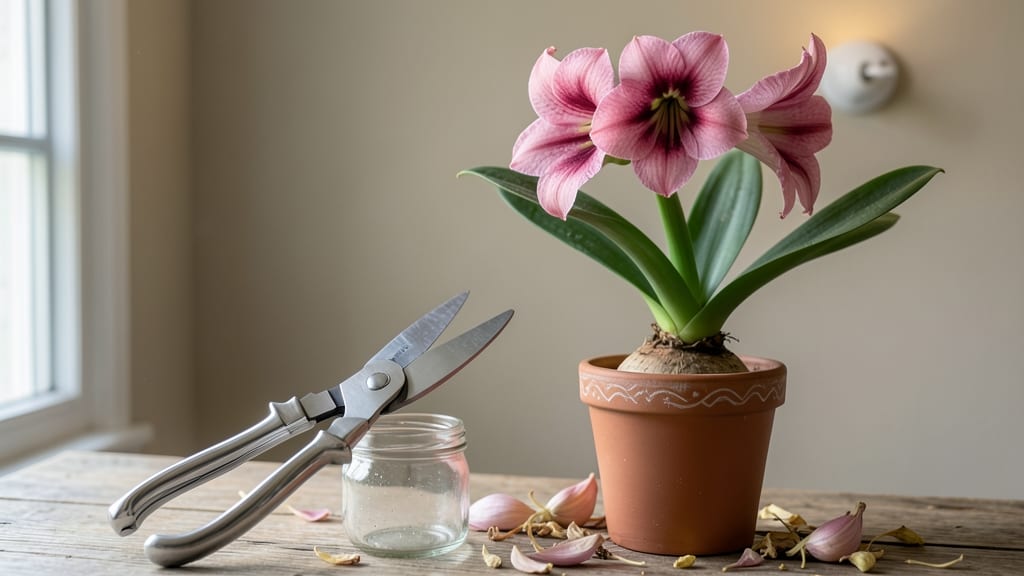
Cutting amaryllis flowers at the right moment transforms your indoor display from a fleeting burst of color into a lasting centerpiece that keeps giving.
The secret isn’t just when you snip—it’s how you do it: a sharp angle, clean cut, and a little patience turn wilting blooms into arrangements that stay vibrant for two full weeks or more.
I’ve learned this the hard way after watching my first batch of amaryllis flowers droop within days of cutting.
Timing matters most: wait until the blooms are fully open but still firm to the touch—usually 3-4 days after they unfurl. Use a sharp pair of pruners or clean scissors, cutting the stem at a 45-degree angle about 2 inches below the bloom cluster.
This angle increases water uptake, while the 2-inch stem lets the plant redirect energy to future blooms instead of wasting it on a dying stem.
For extra drama, remove all but the strongest 2-3 buds on each stem—this forces the plant to focus its energy on making those blooms bold and long-lasting.
Once cut, place stems immediately in room-temperature water (never cold) with a drop of bleach or flower food to prevent bacterial growth. Change the water every 3-4 days and trim stems by another inch when they soften.
With this method, I’ve kept amaryllis arrangements looking fresh long after store-bought flowers have wilted—the scent alone makes it worth the effort. The plant itself will reward you next season with even more dramatic blooms if you avoid cutting the entire flower stalk down to the bulb.
Pro tip: If you’re keeping the plant for future blooms, avoid cutting the stem below the third node (the little bump where leaves grow). This leaves enough foliage to photosynthesize and fuel next year’s flowers.
For a bold, dramatic look, let the stems stay tall until they naturally fade—just snip them at the base when they turn brown. The contrast of a bare stem with fresh blooms creates a striking indoor statement piece that lasts.
📚 In This Guide
- What you need
- Instructions
- Tips and common mistakes
- Wrapping up and next steps
What you need
- ● Sharp pruning shears – Bypass pruners (sterilized) or clean, sharp scissors (avoid dull tools to prevent crushing stems!)
- ● Rubbing alcohol (70% or higher) – 2–3 oz (for sterilizing tools between cuts)
- ○ Hydrogen peroxide (3%) – 1 tbsp (optional, for disinfecting cuts)
- ● Newspaper or paper towels – 2–3 sheets (to clean up messes and wipe tools)
- ○ Glove (optional) – A lightweight pair to protect hands from sap or thorns
- ● Floral preservative – 1 packet (to extend vase life of cut blooms)
- ● Sharpie or marker – For labeling stems if repotting later
- ● Pruning sealant – Like Tree Seal (for sealing larger cuts on bulbs)
- ● Bucket or basin – For rinsing tools or holding water for deep cuts
- ● A healthy amaryllis plant with at least 2–3 mature leaves (weak or leggy stems won’t bloom well after pruning).
- ● Patience – Amaryllis blooms take 6–8 weeks to regrow after pruning!
- ● Indirect sunlight – A bright spot (but no direct midday sun) for recovery.
How to prune amaryllis flowers for extended beauty
Here's how to keep your amaryllis blooms vibrant and lasting—no fancy tools needed.
Identify the Right Time to Prune
Wait until the flower buds are fully open but still firm to the touch. This is usually about 2-3 days after the first bloom unfolds. Pruning too early can stunt growth, while waiting too long reduces vase life. You'll know it's time when the petals feel slightly crisp at the edges but haven't started wilting.
Use sharp, clean scissors or pruning shears—dull blades crush stems, making it harder for the flower to draw up water. If you don’t have pruners, a clean kitchen knife works in a pinch. Just be sure to wipe the blade with rubbing alcohol before and after use to prevent bacterial spread.
Cut at the Correct Angle and Depth
Make your cut at a 45-degree angle, about 1 inch below the lowest flower bud. This angled cut increases the surface area for water absorption, helping the stem draw up moisture more efficiently. Avoid cutting too close to the bud—you’ll leave no room for water to reach the stem properly.
Remove any leaves or side buds that are competing with the main bloom. These secondary growth points drain energy from the primary flower. Gently pinch them off with your fingers or trim with the same clean shears. You’ll notice the remaining flower stand taller and more upright immediately after this step.
Prepare the Stem for Longer-Lasting Blooms
Once cut, immediately place the stem in a clean vase filled with lukewarm water—cold water can shock the stem and shorten its lifespan. Add a commercial flower food packet if available, or mix 1 teaspoon of sugar and 1 teaspoon of bleach (to prevent bacterial growth) into the water. Change the water every 2-3 days to keep it fresh.
Keep the vase in a spot with bright, indirect light—direct sunlight can cause the petals to fade faster. A east-facing window or a well-lit room away from heat sources works best. You’ll see the blooms stay perky for up to 2 weeks with this care, sometimes even longer if conditions are ideal.
Monitor and Maintain for Optimal Results
Check the water level daily and top off as needed—never let the vase run dry. If you notice the water turning cloudy or developing a foul smell, it’s time for a fresh change. Trim about ½ inch from the stem at a new angle each time you refresh the water to prevent clogged ends.
Watch for any signs of wilting or drooping—this could mean the flower is nearing the end of its natural cycle or needs more water. If the petals start to yellow or brown at the edges, it’s often a sign of overmaturity. Enjoy the blooms while they’re at their peak, and don’t be tempted to over-prune—each flower has its own lifespan, and forcing it will only reduce quality.
Tips & tricks for perfect amaryllis flower pruning
Here's what I've learned after keeping amaryllis blooms fresh for weeks—these little details make all the difference.
Timing is Everything: Those 2-3 days after the first bloom unfolds are crucial. I've found that pruning when petals feel crisp at the edges but haven't started wilting creates the perfect balance between freshness and longevity. If you're unsure, do the "finger test"—press gently on the petals. They should give slightly but not feel mushy.
The Angle Game: That 45-degree angle isn't just for looks—it's science! The increased surface area helps the stem drink up water like a sponge. I like to visualize drawing a diagonal line from the bottom of the bud up toward the stem. Too shallow, and you're missing the benefit; too steep, and you risk cutting into the bud itself.
Side Bud Strategy: Those little side buds might look harmless, but they're basically vampires sucking energy from your main bloom. I've seen flowers that looked ready to wilt perk right up after removing just two side buds. Use your fingers to gently pinch them off—they'll come away easily when the time is right.
Water Refresh Ritual: Changing the water every 2-3 days isn't just about cleanliness—it's about giving your flowers a fresh start. I've noticed that after the first refresh, the stems often perk up noticeably. Pro tip: When you trim those ½-inch sections, save the clippings in a small jar of water—they'll often regrow roots and become new plants!
Pro Tips for Cut Amaryllis Flowers
- Here's what I've learned after keeping amaryllis blooms fresh for weeks—these little details make all the difference.
- Timing is Everything: Those 2-3 days after the first bloom unfolds are crucial.
- The Angle Game: That 45-degree angle isn't just for looks—it's science!
Frequently asked questions
Got questions about cutting amaryllis flowers? You’re not alone! Here are some of the most common concerns—and their answers—to help you prune like a pro.
When is the best time to cut amaryllis flowers?
Cut amaryllis blooms as soon as they open fully—usually 2–3 days after the first flower pops. For longer vase life, trim stems at a 45-degree angle under running water. Avoid cutting too early (buds won’t open) or too late (flowers wilt faster).
How long do cut amaryllis flowers last in a vase?
With proper care, cut amaryllis flowers last 7–10 days in a vase. Use cool water (60–65°F), change it every 2 days, and trim stems every few days to encourage hydration. Avoid direct sunlight, which can cause wilting.
Can I force amaryllis bulbs to rebloom after cutting flowers?
Yes! After cutting the flower stalk, let the leaves photosynthesize for 6–8 weeks to recharge the bulb. Reduce watering slightly, then resume normal care in late summer for a second bloom cycle the following year.
Why are my cut amaryllis flowers wilting or dying quickly?
Wilting often signals bacterial buildup, poor hydration, or ethylene gas (from overripe fruit nearby). Fix it by:
Don’t toss them! Use stems for:
Still stumped? Drop your question below—we’re happy to help!
What can I do with amaryllis flower stems after they die?
Wrapping up and next steps
Cutting amaryllis flowers at the right time and with the right technique can transform your plant into a stunning, long-lasting showstopper! 🌸 Whether you’re a seasoned gardener or a beginner, these pruning secrets will help you coax out bold, vibrant blooms year after year.
Remember, patience and consistency are key—your amaryllis will thank you with gorgeous, healthy growth.
Now that you’re armed with the know-how, why not experiment with different techniques? Try forcing a second bloom cycle or sharing your newfound skills with fellow plant lovers. Happy pruning—and enjoy those breathtaking blooms! 🌱✨