
Flowers
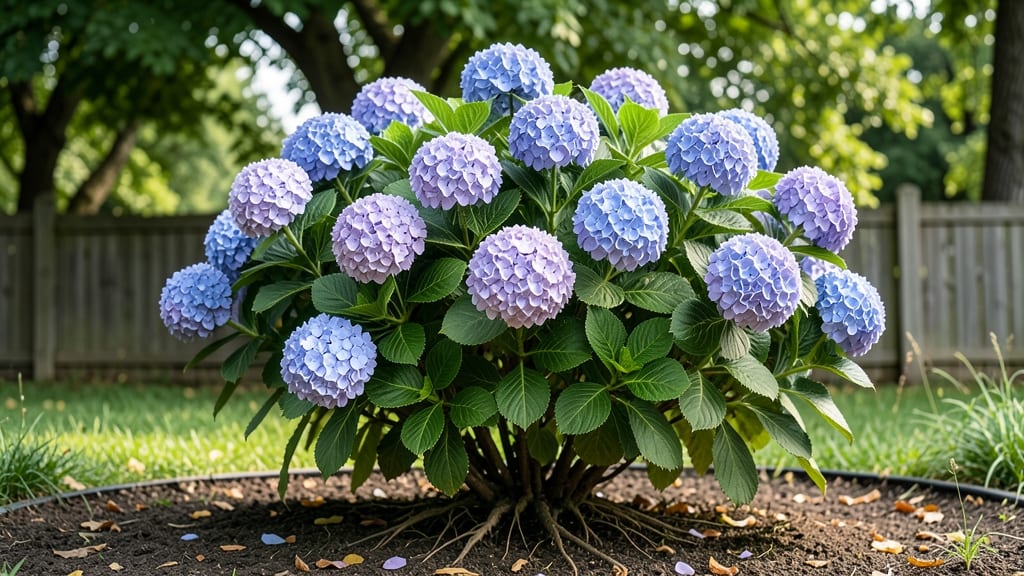
Double flower hydrangeas transform your yard into a dreamy, ever-changing canvas—those lush, layered blooms that look like they belong in a botanical painting. 🌸 I’ve grown them for years, and the secret to their nonstop show isn’t complicated: it’s three strategic pruning cuts that keep them blooming from spring through frost.
The difference between a hydrangea that puts on a reliable show and one that fizzles out by July comes down to timing, technique, and understanding whether you’re dealing with a mophead, lacecap, or the extra-dramatic double-flower variety.
The real magic happens when you match your pruning to the plant’s natural rhythm. Double-flowering types need a gentler hand than their single-bloom cousins—they store energy in last year’s growth, so you’ll prune differently in early spring versus late winter.
Most gardeners overdo it, snipping back too aggressively and ending up with sparse blooms. My system keeps them thriving year-round with minimal effort, and I’ll show you exactly where to make those cuts for maximum impact. You’ll never buy hydrangea bouquets again.
What you’ll end up with is a plant that looks like it was designed for your garden—not some generic nursery specimen. The blooms stay plump and layered well into fall, the foliage stays vibrant even in heat waves, and you’ll notice fewer brown edges or floppy stems.
The key is patience: double-flower hydrangeas reward careful pruning with bigger, showier blooms than their single-flower relatives, and once you master the timing, they become the easiest star of your garden.
This works for container-grown plants, foundation plantings, or even as a dramatic focal point in a mixed border. Whether you’re starting fresh with bare-root plants or reviving an underperforming shrub, the same principles apply. Let’s get those shears ready—your hydrangea’s best performance is just three cuts away.
📚 In This Guide
- What you need
- Instructions
- Tips and common mistakes
- Wrapping up and next steps
What you need
- ● Double Flower Hydrangea Plants: 3–5 mature plants (varies by garden size; opt for Hydrangea macrophylla or Hydrangea paniculata cultivars like 'Endless Summer' or 'Limelight').
- ● Well-Draining Soil: Mix of 60% topsoil, 30% compost, and 10% perlite or sand (pH 5.5–6.2 for blue/purple blooms; 6.0+ for pink).
- ● Mulch: 2–3 inches of organic mulch (pine bark or shredded leaves) to retain moisture.
- ● Fertilizer: Slow-release acid-loving plant fertilizer (e.g., 10-10-10 or hydrangea-specific formula).
- ● Watering Can or Hose: With a gentle spray nozzle (hydrangeas hate soggy roots!).
- ● Pruning Shears: Sharp, bypass-style shears (sterilized with rubbing alcohol).
- ● Gloves: Heavy-duty gardening gloves (hydrangea leaves can be prickly!).
- ● Trowel or Spade: For planting and soil amendments.
- ● Measuring Tape: To track plant height (critical for pruning timing!).
- ○ pH Test Kit (Optional): To monitor soil acidity for color control.
- ● Sunlight: Partial shade (4–6 hours of morning sun) for most varieties (except paniculata, which tolerates full sun).
- ● Water Access: Consistent moisture (1–2 inches per week; drip irrigation ideal).
- ● Patience: Hydrangeas thrive with 3–5 years of care before reaching full bloom potential!
Step-by-step pruning for double flower hydrangeas
Three strategic cuts keep these showstoppers blooming all season long.
✂️ Step 1: Identify Last Year’s Blooms and Dead Wood
Start in late winter or early spring before buds swell. Double flower hydrangeas bloom on old wood, so you’ll prune after they’ve finished flowering. Look for brown, leafless stems—these are dead and should be removed completely at the base. Use sharp pruners to cut cleanly without tearing the bark.
Next, identify last year’s blooms—these will be the largest, thickest stems with visible bud clusters. These are your keepers. The rest of the stems (thinner, without buds) can be cut back to 6-8 inches from the ground. This encourages strong new growth while preserving next year’s flowers.
✂️ Step 2: Make the First Cut—Reinvigorate the Plant
Remove 10-20% of the oldest stems completely at the base. These are the thinnest, most woody stems that no longer produce strong blooms. Cutting them out opens up space for younger, more vigorous growth. This step is critical—it prevents the plant from becoming overcrowded and ensures each remaining stem gets enough nutrients.
For the remaining stems, make your first cut just above a set of buds (a pair of small bumps on the stem). Angle the cut slightly downward to prevent water from pooling. If a stem has no visible buds, cut it back to 4-6 inches from the ground. You’ll see new shoots emerge from these cuts within a few weeks.
✂️ Step 3: Shape and Encourage Fullness
After the initial cuts, step back and assess the plant’s shape. Double flower hydrangeas respond well to light shaping, so avoid aggressive trimming. Focus on removing any crossing or rubbing branches—these create wounds where pests and diseases can enter. Cut these out at the base or where they intersect with another branch.
To encourage a fuller, bushier plant, look for semi-dormant buds (small, swollen areas along the stems). These are your signals to make a second cut—trim back to just above these buds. This technique forces the plant to branch out rather than grow tall and leggy. Water deeply after pruning to help the plant recover.
⏰ Step 4: Summer Maintenance—Deadheading for Continuous Blooms
Once your hydrangeas finish flowering (usually in late summer), it’s time for the third cut. Deadhead spent blooms by cutting the entire flower cluster back to the first set of healthy leaves below it. This removes the old flowers but leaves the stem intact, allowing the plant to produce new buds for next season.
Here’s the thing—double flower hydrangeas can sometimes produce a second flush of blooms in late summer if given enough care. To encourage this, apply a balanced fertilizer after deadheading and keep the soil consistently moist. Watch for new buds forming at the tips of the stems—these will develop into your late-season blooms.
Tips & tricks for perfect double flower hydrangea pruning
Here’s what I’ve learned after years of watching these beauties transform—small details make all the difference.
Timing is Everything: Late winter or early spring is your window, but don’t wait until buds swell! I’ve pruned too early and missed the old wood blooms, or too late and risked damaging emerging buds. Aim for when your hydrangea is still dormant but before active growth begins—typically February to early March in most climates. This timing ensures you’re cutting at the right stage to encourage next year’s blooms.
The 10-20% Rule: When removing those oldest stems in Step 2, don’t guess—actually count! Remove every 5th or 6th stem if you’re unsure. I once pruned too aggressively and ended up with sparse growth. The key is balance: you’re making room for new stems without sacrificing next year’s flowers. Think of it like thinning a vegetable garden—you want space for everything to thrive.
Bud Identification Made Easy: Those semi-dormant buds in Step 3 can be tricky to spot at first. Here’s my trick: run your fingers gently along the stem—you’ll feel tiny bumps where the buds hide. If you can’t find any, cut back to 4-6 inches from the ground. The plant will still recover, but you might miss some of that lush branching. A small magnifying glass helps if you’re really struggling to see them.
Post-Pruning Care: After you’ve finished, give your hydrangea a deep drink of water—this helps the plant recover from the stress of pruning. I also add a slow-release fertilizer around the base to give it a nutrient boost for the growing season ahead. This simple step makes a noticeable difference in how quickly new growth appears.
Pro Tips for Double Flower Hydrangea
- Here’s what I’ve learned after years of watching these beauties transform—small details make all the difference.
- Timing is Everything: Late winter or early spring is your window, but don’t wait until buds swell!
- The 10-20% Rule: When removing those oldest stems in Step 2, don’t guess—actually count!
Frequently asked questions
Got questions about your double flower hydrangea? You’re not alone! Here are answers to the most common queries—from pruning puzzles to color mysteries—so you can keep your blooms thriving with confidence.
When is the best time to prune double flower hydrangeas?
Prune after flowering in late summer or early fall (September–October) to avoid cutting off next year’s blooms. For dramatic year-round drama, make 3 key cuts: deadhead spent blooms, trim leggy growth, and shape in late winter (if needed). See our step-by-step guide for clarity!
Do double flower hydrangeas bloom on old wood or new wood?
Most double flower hydrangeas (like Hydrangea macrophylla) bloom on old wood, meaning flowers form on last year’s growth. Prune after blooming to preserve buds for next season. Exceptions like Hydrangea paniculata bloom on new wood—always check your variety!
Why did my double flower hydrangea change color?
Color shifts in hydrangeas are usually due to soil pH! Acidic soil (pH < 6.0) turns blooms blue/purple, while alkaline soil (pH > 7.0) yields pink/red. Test your soil and amend with lime (to raise pH) or sulfur (to lower it) for predictable hues.
How much water do double flower hydrangeas need?
Keep soil consistently moist but not soggy—especially during bloom season. Water deeply 1–2 times per week (more in extreme heat). Mulch around the base to retain moisture and protect roots. Yellowing leaves? Often a sign of underwatering or overwatering—check soil 2 inches down!
What pests or diseases should I watch for?
- Pests: Spider mites (tiny webs), aphids (sticky residue), and scale insects (brown bumps). Treat with neem oil or insecticidal soap.
- Diseases: Powdery mildew (white dust) thrives in humid conditions. Improve airflow and spray with baking soda solution (1 tsp baking soda + 1 quart water).
Can I grow double flower hydrangeas in containers?
Choose a large container (15+ gallons) with drainage holes and use well-draining potting mix. Move pots to partial shade in summer and water daily during heatwaves. Dwarf varieties like ‘Endless Summer’ are perfect for containers—just prune lightly to encourage bushiness!
How long does it take for double flower hydrangeas to bloom after planting?
Patience pays off! Established plants (2–3 years old) typically bloom 6–8 weeks after pruning. Newly planted hydrangeas may take 1–2 years to flower fully. Keep them healthy with proper care, and they’ll reward you with showstopping blooms!
Wrapping up and next steps
Double flower hydrangeas are the star performers of any garden—packing big blooms, bold colors, and year-round charm with minimal effort! 🌸 With just three strategic pruning cuts, you can keep them thriving, encourage lush regrowth, and enjoy their showstopping beauty season after season.
Whether you’re a gardening newbie or a seasoned green thumb, these tips make it easy to unlock their full potential.
Ready to transform your garden? Grab your pruners, pick a sunny day, and get growing! 🌿 Start planning your hydrangea’s next big bloom—your future floral masterpiece is just a few snips away!