
Pruning
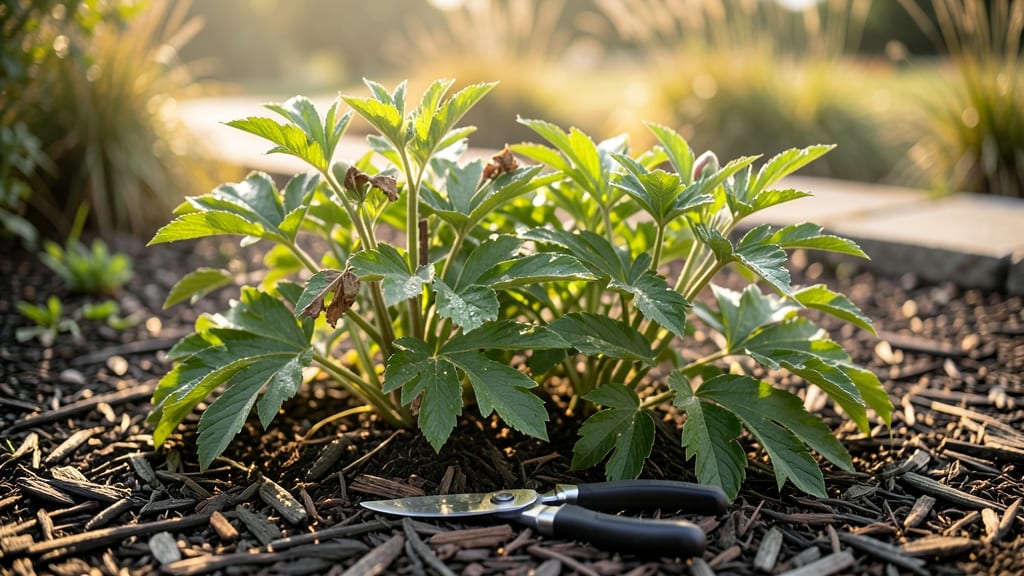
Pruning peonies after flowering isn’t just about tidying up—it’s the secret to next year’s showstopper blooms. 🌸 I’ve watched my own peonies go from sparse, weak stems to lush, heavy-flowering bushes simply by mastering the timing and technique.
The key? Waiting until the foliage yellows naturally, then cutting back strategically to encourage strong regrowth.
You’ll need just three tools: sharp pruners, clean shears, and a bucket for clippings. The real work happens in late summer or early fall, when the plant’s energy shifts from blooms to storing nutrients for next season.
Most gardeners rush this step, but patience here means bigger, healthier blooms the following spring—no shortcuts, no guesswork.
Start by removing spent flowers (deadheading) as they fade to redirect energy. Then, once the leaves yellow, cut back stems to 3-4 inches above the ground, leaving the base intact.
This might look dramatic, but it’s how peonies know to focus on roots and next year’s buds. Avoid heavy pruning in spring—you’ll sacrifice blooms for the season.
Common mistakes? Pruning too early (stunts growth) or too late (invites disease). Over-pruning weakens the plant. But done right, you’ll see thicker stems, more buds, and blooms that last weeks longer. The first year might feel risky, but trust the process—your peonies will thank you.
📚 In This Guide
- What you need
- Instructions
- Tips and common mistakes
- Wrapping up and next steps
What you need
- ● Bypass pruners – Sharp, clean, and well-maintained (1 pair, 5-7" blades recommended for precision).
- ● Garden gloves – Heavy-duty, cut-resistant (1 pair) to protect hands from thorns and dirt.
- ● Disinfectant (rubbing alcohol or bleach solution) – 1:9 ratio bleach-to-water (for sterilizing tools between cuts).
- ○ Garden twine or plant ties – Optional but helpful for securing heavy foliage post-pruning.
- ● Garden shears or loppers – For thicker stems (if peony stalks are woody, 8-10" loppers work best).
- ● Compost bin or bag – For disposing of pruned material (avoid composting diseased foliage).
- ● Knee pads – If your peonies are ground-level or you have joint concerns.
- ● Plant marker or labels – To track varieties if you have multiple types.
- ● Pruning saw – For very thick, mature stems (rare for peonies but useful for older bushes).
- ● Mulch (straw or wood chips) – To protect the base after pruning and retain moisture.
Step-by-step guide to pruning peonies after flowering
Here’s my foolproof method for keeping peonies healthy and blooming their best.
✂️ Step 1: Wait Until Flowers Fully Fade
Don’t rush the process—wait until the blooms are completely spent and the foliage starts yellowing naturally. This usually happens 4-6 weeks after flowering. Cutting too early removes the plant’s energy reserves, which peonies need to store for next year’s buds.
I like to make my first pass when the petals drop but before the seed pods form. This prevents the plant from wasting energy on seed production. Use clean, sharp pruners to avoid crushing stems or spreading disease.
✂️ Step 2: Remove Dead Flowers and Seed Pods
Snip off the spent blooms just above the first set of healthy leaves—this is called deadheading. For peonies, this means cutting the entire flower stem down to a leaf node about 2-3 inches above the ground. Never leave stubs; they invite pests and rot.
If you see seed pods forming, remove them too. These energy hogs drain the plant when it should be focusing on root and bud development. Here’s the trick: I make a clean cut at a 45-degree angle to prevent water from pooling on the stem.
🌿 Step 3: Thin Out Crowded Foliage
Peonies multiply over time, and too many stems compete for sunlight and nutrients. In late summer, assess the plant and remove 1-2 of the oldest stems at the base. These are usually the thickest, woody ones—thin them out to encourage stronger growth from younger shoots.
I always leave the healthiest stems standing. Look for ones with vibrant green leaves and no signs of disease. If a stem is hollow or discolored, cut it back completely to prevent spread. Mulch the area afterward with 2-3 inches of organic mulch to protect roots.
⏰ Step 4: Final Pruning Before Dormancy
About 6 weeks after flowering, when the foliage turns yellow and crispy, it’s time for the final prune. Cut back all stems to 2-3 inches above the ground. This mimics the plant’s natural dormancy cycle and prevents fungal issues over winter.
Here’s where many gardeners go wrong: they cut too late or too aggressively. If you prune after the first frost, you risk damaging new buds forming underground. Instead, wait until the leaves turn brown—this is your signal to clean up.
Tips & tricks for perfect peony pruning
Here's what nobody tells you about keeping your peonies thriving year after year.
Timing Secret: The 4-6 week window after flowering is your golden opportunity—don't rush it! I've seen gardeners cut too early and wonder why their peonies never rebloom. Wait until the petals drop completely and the foliage shows natural yellowing. This ensures the plant has stored enough energy for next year's buds. If you're in doubt, check for seed pods forming—that's your signal to prune.
Pruning Precision: When cutting back those 2-3 inch stems in Steps 2 and 4, here's my secret: use clean pruners and make your cuts at a 45-degree angle. This prevents water from pooling on the stem, which can lead to rot. I also recommend sterilizing your pruners with rubbing alcohol between cuts to prevent spreading disease from any infected stems you might encounter.
Plant Health Inspection: Before you start thinning in Step 3, do a quick health check. Look for stems with vibrant green leaves—these are your keepers. Any stems that appear hollow or discolored should be cut back completely to prevent disease from spreading to healthy parts of the plant. This is especially important if you notice any black spots or unusual growth patterns on the foliage.
Mulching Matters: After thinning, don't forget the 2-3 inches of organic mulch. This isn't just decorative—it protects the roots during winter and helps retain moisture. I use shredded bark mulch because it breaks down slowly and improves soil structure over time. Apply it after pruning but before the first frost for best results.
Pro Tips for Prune Peonies After Flowering
- Here's what nobody tells you about keeping your peonies thriving year after year.
- Timing Secret: The 4-6 week window after flowering is your golden opportunity—don't rush it!
- Pruning Precision: When cutting back those 2-3 inch stems in Steps 2 and 4, here's my secret: use clean pruners and make your cuts at a 45-degree angle.
Frequently asked questions
Got questions about pruning peonies after they bloom? You’re not alone! Here are answers to the most common concerns—so you can keep your peonies thriving and blooming beautifully for years to come.
When is the exact best time to prune peonies after flowering?
Prune peonies after they’ve finished blooming for the season, but wait until the foliage starts to yellow or brown (usually late summer to early fall). This gives the plant time to store energy for next year’s growth. Avoid cutting back too early—you might accidentally remove next year’s flower buds!
What if I accidentally cut off a flower bud by mistake?
Don’t panic! Peonies are hardy and can recover. If you’ve cut into the bud, simply trim the damaged area cleanly with sterilized shears. Just avoid heavy pruning—focus on removing only dead or diseased stems. Your peony will still bloom, though it might be slightly smaller that season.
Do I need to prune peonies every year, or can I skip a year?
You can skip a year if you forget, but pruning annually keeps your peonies healthier and encourages bigger blooms. Over time, neglected peonies can become overcrowded, leading to fewer flowers. Aim to prune every 1–2 years, especially if the plant looks leggy or the center is bare.
Can I prune peonies in the spring instead of fall?
Spring pruning is not recommended because it risks cutting off next year’s flower buds, which form in late summer/fall. If you must prune in spring, wait until after the first signs of new growth appear. However, fall is the safest and most effective time for long-term plant health.
What should I do if my peony leaves turn yellow after pruning?
Yellowing leaves after pruning are usually normal—they signal the plant is redirecting energy to root growth. However, if the yellowing is widespread, uneven, or accompanied by wilting, your peony might be stressed, diseased, or lacking nutrients. Check for pests, improve drainage, and fertilize lightly with compost or a balanced 10-10-10 formula.
Can I divide and prune peonies at the same time?
Yes! If your peony needs dividing (every 3–5 years), prune the foliage back by ⅓ after flowering, then divide the roots in early fall. Just be gentle—peony roots are fragile. Water thoroughly after dividing to help the plant recover and establish new growth.
Wrapping up and next steps
Pruning peonies after flowering doesn’t have to be intimidating—it’s all about timing, technique, and a little patience!
By deadheading spent blooms and trimming back foliage just right, you’ll set the stage for even more stunning blooms next season. 🌸 With the right tools and a gentle touch, your peonies will thrive, rewarding you with lush, vibrant growth for years to come.
Now that you’re armed with the know-how, grab your pruners and give your peonies the care they deserve. Ready to transform your garden? Check out our guide on peony care year-round to keep those blooms happy all season long!