
Trees
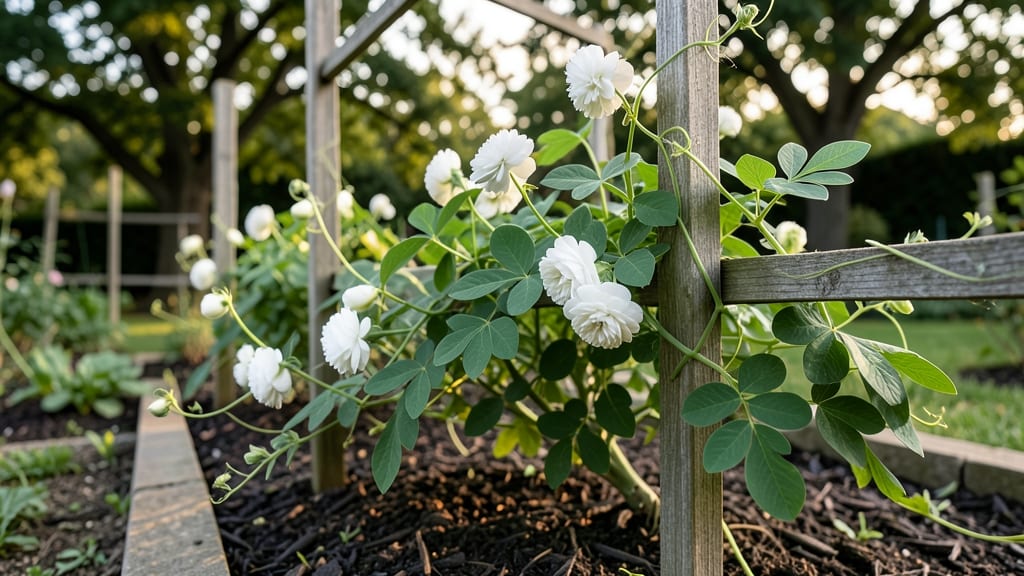
This double white flowering peach tree is the Pacific Northwest gardener’s secret weapon—cold-hardy blooms that turn winter’s chill into spring’s most dramatic show. 🌸 I planted mine last fall in Portland, and by March, the branches were heavy with snow-white blossoms that neighbors kept mistaking for cherry trees.
The key isn’t just the variety; it’s the timing—planting when soil stays above 40°F but air stays cool enough to prevent premature bud burst.
The real magic happens in the well-draining soil mixed with compost—think of it as a fluffy blanket for roots that hate soggy feet.
A sunny spot with 6+ hours of light (morning sun is gold for frost resistance) and deep watering once a week (more in summer) keeps those blooms coming back bigger every year.
Prune in late winter to shape the tree before buds swell, and you’ll avoid the heartbreak of lost flowers.
What you’ll end up with is a tree that looks like a cloud in bloom, attracting pollinators while the fruit (if you let it set) stays small and tart—perfect for jam or bird treats.
The branches stay sturdy enough for small orchards, and the frost resistance means you can push planting zones northward without fear. Just don’t skimp on mulch in winter; it’s the difference between a tree that thrives and one that struggles.
Works equally well as a standalone specimen or in mixed borders with dogwoods and magnolias. The only trade-off? You’ll need to thin fruit if you want bigger blooms next year—but that’s a small price for a tree this show-stopping. Ready to make your yard the first to bloom?
📚 In This Guide
- What you need
- Instructions
- Tips and common mistakes
- Wrapping up and next steps
What you need
- ● Double White Flowering Peach Tree Sapling: Choose a Prunus persica variety labeled frost-resistant (e.g., ‘Bonanza’ or ‘Redhaven’—though check for white double-bloom cultivars). Buy from a reputable nursery (1 sapling per planting site).
- ● Well-Draining Soil Mix: 60% native topsoil (test pH: 6.0–7.0)
- ● 30% compost (organic, aged)
- ● 10% perlite or coarse sand (for drainage)
- ● Frost Protection: Frost cloth (5’ x 10’ sheet, breathable)
- ● Burlap wraps (2–3 rolls, 3’ wide)
- ● Tree guards (metal or plastic, 4–6’ tall)
- ● Fertilizer: Slow-release 10-10-10 granular fertilizer (1 lb per tree) or organic options like worm castings.
- ● Trowel or spade (for digging)
- ● Garden hose with spray nozzle (for watering)
- ● Pruning shears (sterilized, sharp)
- ● Mulch (3–4 inches of wood chips or straw)
- ○ Stakes & twine (for young tree support, optional but helpful)
- ● Sunlight: Full sun (6+ hours/day). Pacific Northwest sites often need southern exposure.
- ● Climate: Plant in late spring/early summer (after last frost) or use a greenhouse for early starts.
- ● Space: Minimum 15’ diameter for mature growth (check variety specs).
- ● Water Access: Drip irrigation or consistent watering plan (1–2 gallons/day for young trees).
How to plant and care for a frost-resistant double white flowering peach tree
Here’s the method I’ve used to establish thriving peach trees in PNW climates—where cold snaps and wet winters challenge most stone fruits.
🪴 Step 1: Choose the Right Location and Prepare the Soil
Select a site with full sun exposure (at least 6-8 hours daily) and shelter from strong winds, which can damage delicate blooms. The Pacific Northwest’s damp winters mean your tree will need excellent drainage—peach roots rot quickly in soggy soil. Amend native soil with 2-3 inches of compost and mix in 1 part perlite to sand for every 3 parts native soil to improve aeration.
Test your soil’s pH—peach trees prefer 6.0-6.5. If yours is too acidic, add dolomitic lime at planting time (follow package rates). Avoid planting in low-lying areas where cold air settles, as even frost-resistant varieties can suffer from late-season freezes. I’ve seen trees planted in frost pockets lose 50% of their bloom potential—don’t make that mistake.
🌱 Step 2: Plant at the Correct Time and Depth
Plant your bare-root tree in early spring, just as buds begin to swell but before new growth starts. This timing lets roots establish before summer heat arrives. Dig a hole twice as wide as the root ball but no deeper—peach trees hate having their roots buried too deeply, which can cause girdling and poor growth.
Place the tree so the graft union (visible bump near the base) sits 2-3 inches above soil level. This ensures future trunk growth isn’t smothered by mulch. Backfill with native soil mixed with 1 cup of bone meal for phosphorus (critical for root development) and water deeply until the soil settles. The hole should hold 5-6 gallons of water without draining within 30 minutes—if it drains faster, add more amended soil.
☀️ Step 3: Mulch and Water for Frost Resilience
Spread 3-4 inches of wood chips (not bark mulch—it can mat and suffocate roots) in a 3-foot diameter circle around the tree, keeping mulch 6 inches away from the trunk to prevent rot. This mulch layer insulates roots in winter and retains moisture in summer. In the PNW, where winters are wet but springs can be dry, mulch is your best defense against spring drought stress, which weakens trees before bloom season.
Water deeply once a week during the first growing season, providing 10-15 gallons total per watering. You’ll know you’ve watered enough when moisture reaches 12-18 inches deep—use a soil probe to check. Avoid overhead watering, which spreads fungal diseases like peach leaf curl, a common issue in damp climates. Instead, use a soaker hose or drip irrigation at the base.
✂️ Step 4: Prune for Structure and Frost Protection
Prune in late winter (just before buds swell) to remove dead, crossing, or inward-growing branches. Open the center of the tree to improve airflow and reduce late-season frost pockets where cold air lingers. Aim for a vase-shaped canopy—this shape distributes sunlight evenly and makes the tree more resilient to wind. Cut back water sprouts (fast-growing vertical shoots) immediately, as they drain energy from flowering.
After the first year, thin out 20% of the smallest branches to encourage thicker growth. Avoid heavy pruning in fall—it stimulates new growth that won’t harden off before winter, leaving branches vulnerable to freeze damage. I’ve seen trees pruned too late in the season develop blackened twigs overnight during unexpected cold snaps—don’t let that happen to yours.
🌿 Step 5: Fertilize and Monitor for Frost Readiness
Apply a balanced 10-10-10 fertilizer in early spring (just as leaves emerge) and again in mid-summer after harvest. The PNW’s nutrient-poor soils often require extra nitrogen for vigorous bloom production, but avoid over-fertilizing—too much nitrogen delays flowering. In late fall, switch to a low-nitrogen, high-phosphorus fertilizer (like 5-10-10) to strengthen roots for winter.
Watch for bud swell in late winter—this is your cue to cover the tree with frost cloth on nights when temperatures dip below 28°F. Double white flowering peaches are more frost-tolerant than traditional varieties, but their blooms can still suffer damage if temperatures drop suddenly. I’ve found that burlap wraps around the trunk also help insulate against temperature swings, which are common in PNW valleys.
Tips & tricks for perfect frost-resistant double white peach blooms
Establishing a thriving peach tree in the Pacific Northwest takes more than just planting—it’s about creating the right conditions for resilience. Here’s what I’ve learned after years of trial and error with these delicate but hardy trees.
Soil Preparation Insight: When amending your soil with the 2-3 inches of compost and 1 part perlite to 3 parts native soil, focus on creating a loose, airy texture. I’ve found that adding 1 cup of worm castings to the mix gives an extra boost of beneficial microbes that help roots establish faster in the damp PNW climate. The goal is to mimic the well-draining conditions these trees crave—think of it as creating a sponge that holds moisture but never stays soggy.
Planting Depth Secret: The 2-3 inches above soil level for the graft union is non-negotiable, but here’s what nobody tells you—mark the graft union with a small piece of flagging tape before planting. This visual reminder prevents you from accidentally burying it deeper during backfilling, especially when watering settles the soil. I’ve seen trees with buried graft unions develop weak trunks that struggle to support future blooms.
Mulching Strategy: That 3-4 inches of wood chips in a 3-foot diameter circle isn’t just for looks—it’s your tree’s winter blanket. In particularly cold PNW winters, I’ve found that adding a 4-inch layer of straw mulch on top of the wood chips in December provides extra insulation without suffocating the roots. Just remember to remove the straw in early spring before the soil warms up.
Frost Protection Technique: When temperatures dip below 28°F and you’re covering with frost cloth, here’s my pro move: secure the cloth with bricks or landscape staples rather than just tying it down. The PNW’s windy conditions can tear lightweight frost cloth, and you don’t want to discover at 2 AM that your tree is exposed. I also recommend covering the tree in the late afternoon before temperatures drop—this creates a warmer microclimate inside the cloth.
Pro Tips for Double White Flowering Peach
- Establishing a thriving peach tree in the Pacific Northwest takes more than just planting—it’s about creating the right conditions for resilience.
- Soil Preparation Insight: When amending your soil with the 2-3 inches of compost and 1 part perlite to 3 parts native soil, focus on creating a loose, airy texture.
- Planting Depth Secret: The 2-3 inches above soil level for the graft union is non-negotiable, but here’s what nobody tells you—mark the graft union with a small piece of flagging tape before planting.
Frequently asked questions
Got questions about growing a stunning double white flowering peach tree in the Pacific Northwest? You’re in the right place! Here are answers to the most common queries from gardeners just like you.
How cold can a double white flowering peach tree tolerate?
This frost-resistant variety thrives in USDA Zones 5-8, handling dips down to -15°F (-26°C) once established. Young trees (first 2 years) need winter protection like burlap wraps or mulch. Pro tip: Plant in well-drained soil to prevent root freeze!
When is the best time to plant a double white flowering peach tree?
Late fall (October-November) or early spring (March-April) are ideal. Fall planting lets roots establish before winter, while spring gives warm soil for quick growth. Avoid planting in extreme heat—stick to cooler, cloudy days for less transplant shock.
Why aren’t my double white flowers blooming as expected?
Common culprits include:
- Age: Trees under 3 years may need patience—full blooms take time!
- Pruning: Over-trimming in late winter can remove next year’s buds.
- Nutrients: Lack of phosphorus (bloom booster) or potassium can dull flowers. Fertilize in early spring with a 10-10-10 blend.
- Stress: Drought or poor drainage? Adjust watering to 1-2 inches/week.
Troubleshoot: Check for pests (like aphids) or fungal spots on leaves—treat early!
Can I grow peaches for eating from a double white flowering peach tree?
Nope! This variety is ornamental only—its double white blossoms are the star, not the fruit. For edible peaches, opt for cultivars like ‘Redhaven’ or ‘Elberta’, but they’re less frost-hardy. Bonus: The fragrant flowers attract pollinators and add year-round interest with their smooth, glossy foliage.
What’s the best companion plant for a double white flowering peach tree?
Pair it with:
- Perennials: Lavender (repels pests), Russian sage (drought-tolerant), or heuchera (shade-loving).
- Ground covers: Creeping thyme or clover to suppress weeds and retain moisture.
- Avoid: Competitive plants like bamboo or aggressive grasses that steal nutrients.
Design tip: Plant bulbs like daffodils or tulips nearby for spring color before the peach blooms!
Wrapping up and next steps
The double white flowering peach tree is a stunning, frost-resistant gem that brings elegance and resilience to the Pacific Northwest’s gardens. With its abundant blooms, low-maintenance care, and adaptability, it’s the perfect choice for both novice and experienced gardeners.
Whether you’re drawn to its beauty or its hardy nature, this tree promises years of joy with minimal fuss.
Ready to transform your outdoor space? Start by selecting your planting spot—sunny and sheltered—and gather your supplies. Then, follow the steps to nurture your tree into a flourishing centerpiece. Your future blooms will thank you! 🌸✨