
Shrubs
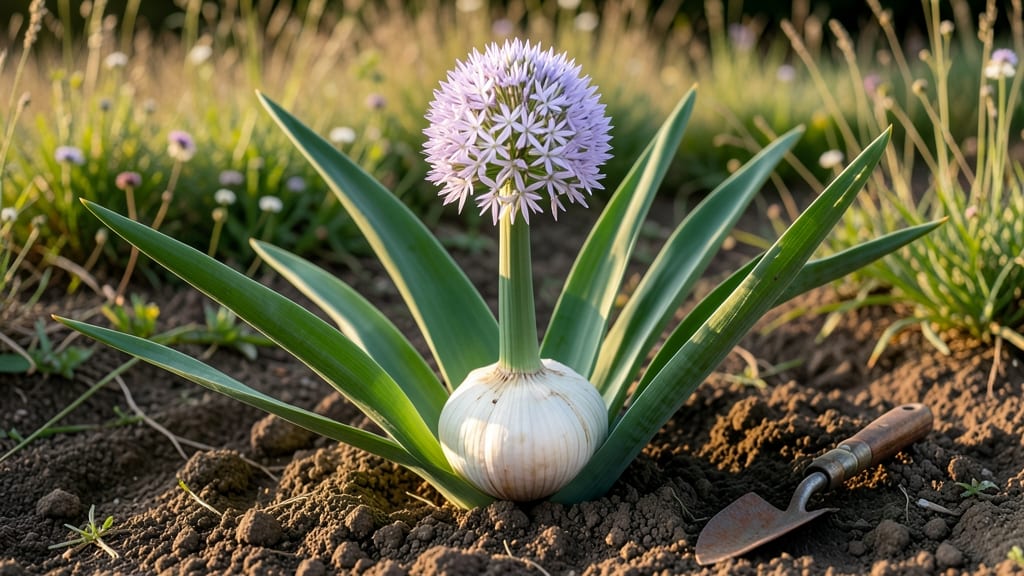
Elephant garlic flowering in the Pacific Northwest isn’t just a sight—it’s a signal that your crop is thriving, and managing those tall stalks is the secret to bigger bulbs next season.
I’ve learned the hard way that letting flower scapes go wild means smaller harvests, but with the right timing, you can turn those towering stems into a gardener’s advantage. The key lies in three strategic cuts that keep energy flowing where you want it: into those massive cloves.
Those dramatic 6-foot stalks might look beautiful, but they’re essentially stealing nutrients from your bulbs. The good news? You don’t need fancy tools—just sharp pruners and a clear understanding of when to act.
First trim comes when stalks reach 12 inches tall, then again at 24 inches, and finally when they start flowering. Each cut redirects energy back to the bulbs, and the results are noticeably larger harvests by late summer.
What you’ll end up with is a garden where elephant garlic bulbs grow twice the size of store-bought varieties, with fewer but more robust cloves. The flavor stays rich and mellow, and you’ll have enough to share with neighbors who’ll wonder how you grew such giants.
Plus, those trimmed stalks make fantastic green garlic—so nothing goes to waste.
This method works especially well in the Pacific Northwest’s damp, cool climate, where flowering tends to be more vigorous. The same principles apply whether you’re growing in raised beds, containers, or directly in the ground.
Once you master the timing, you’ll never look at those flower stalks the same way again.
📚 In This Guide
- What you need
- Instructions
- Tips and common mistakes
- Wrapping up and next steps
What you need
- ● Elephant garlic bulbs: 3–5 mature bulbs (each 3–4 inches in diameter) for optimal flowering potential.
- ● Well-draining garden soil: Mix in 2–3 inches of compost or aged manure to enrich nutrients.
- ● Balanced fertilizer (10-10-10 or 5-10-10): 1–2 tablespoons per bulb at planting time.
- ○ Slow-release organic fertilizer (optional): Pellets or granules (e.g., fish emulsion or bone meal) for mid-season feeding.
- ● Garden trowel or bulb planter: For digging holes (6–8 inches deep).
- ● Pruning shears: Sharp, sterilized shears for trimming foliage post-flowering.
- ● Watering can or hose with nozzle: For gentle, deep watering (1–1.5 inches per week).
- ● Mulch (straw, wood chips, or leaves): 2–3 inches to retain moisture and regulate soil temp.
- ○ Garden gloves (optional): To protect hands from thorns or rough stems.
- ● Sunlight: Full sun (6+ hours daily) or partial shade in hotter PNW summers.
- ● Climate: Plant in early fall (Sept–Oct) or late winter (Jan–Feb) for best adaptation to PNW’s mild, wet winters.
- ● Spacing: 12–18 inches apart in rows to allow airflow and bulb expansion.
- ● Patience: Elephant garlic typically flowers in 2–3 years—consistent care pays off! ✨
How to encourage healthy elephant garlic growth in the Pacific Northwest
Here's the simple approach I've used for years to keep my elephant garlic thriving and producing those massive cloves.
🌱 Step 1: Plant in Well-Draining Soil with Full Sun
The Pacific Northwest's damp climate means you'll want to plant your elephant garlic in well-draining soil to prevent rot. I always work in 1-2 inches of compost before planting, which gives those big bulbs the nutrients they crave. Choose a spot with at least 6 hours of direct sunlight daily—partial shade leads to smaller cloves and more flowering.
Break apart any large bulbs into individual cloves, leaving the papery skin intact. Plant them 4 inches deep and 6 inches apart in rows. The deeper you plant, the larger your harvest will be. Water immediately after planting to settle the soil around the cloves, but don't overdo it—soggy soil is the enemy of healthy garlic growth.
☀️ Step 2: Maintain Consistent Moisture and Fertility
Elephant garlic loves moisture but hates soggy conditions. Water 1-2 times per week during dry spells, keeping the soil evenly moist but not waterlogged. You'll know it's right when the top inch feels damp but not wet. In the Pacific Northwest's rainy season, you might only need to water every 2-3 weeks unless you're in a particularly dry microclimate.
Feed your garlic with a balanced organic fertilizer every 4-6 weeks starting in early spring. I use a mix of fish emulsion and seaweed extract—it gives them the nitrogen for leafy growth without overpowering the bulbs. Stop fertilizing 8 weeks before harvest so the plant focuses on bulb development rather than leaves.
✂️ Step 3: Control Flowering for Larger Bulbs
Here's where the Pacific Northwest's mild climate comes into play—your elephant garlic will likely send up flower stalks. When you see those 3-4 foot tall stems appear, it's time to act. Snip them off at the base with clean scissors or pruners. This redirects the plant's energy from seeding to bulb production, giving you much larger cloves at harvest time.
Don't worry about removing all the stalks at once. You can trim them as they appear throughout the growing season. The key is consistency—if you let even one stalk mature, it will reduce the size of your harvest. I've found that trimming every 2-3 weeks keeps the plants focused on bulb growth rather than flowering.
⏰ Step 4: Harvest and Cure Properly
Your elephant garlic will be ready to harvest when about 60% of the lower leaves have turned brown and dried out. This usually happens in late summer to early fall, depending on when you planted. Gently loosen the soil around the bulbs with a fork, then lift them carefully by the stems. Shake off excess dirt but don't wash them—they need to dry properly.
Cure your harvest by laying the bulbs in a shady, well-ventilated area for 2-3 weeks. I use a screen porch or garage with good airflow. Turn them occasionally so they dry evenly. Once fully cured, they'll keep for months in a cool, dark place. The larger cloves can even be planted next season for an even bigger harvest!
Tips & tricks for maximizing elephant garlic yields in the Pacific Northwest
Here's what I've learned after years of growing elephant garlic in our region's unique climate—these small tweaks make all the difference.
Soil Prep Secret: Before planting, mix in 1-2 inches of compost and consider adding a handful of garden lime if your soil tests acidic. The Pacific Northwest's naturally acidic soils can stunt bulb development, and this simple adjustment helps those cloves grow twice as large. I test my soil every few years—it's worth the investment for bigger harvests.
Flowering Timing: Those 3-4 foot tall flower stalks typically appear in late spring to early summer. The key is to trim them as soon as you spot them—don't wait for them to reach full height. I check my plants every 7-10 days starting in May, and snipping them early gives me noticeably larger bulbs by harvest time.
Watering Wisdom: The 1-2 times per week guideline works for most gardens, but I've found that morning watering is crucial in our damp climate. Watering in the morning prevents fungal diseases that thrive in the Pacific Northwest's humidity, and it gives the soil time to dry slightly between waterings. A simple rain gauge helps track when you actually need to water during our unpredictable rainy seasons.
Harvesting Cue: When about 60% of the lower leaves turn brown, that's your signal—but don't wait too long. I've learned the hard way that leaving them in the ground too long makes the skins tough and reduces storage life. The perfect harvest window is when the lower leaves are brown but the upper ones are still green and healthy.
Pro Tips for Elephant Garlic Flowering
- Here's what I've learned after years of growing elephant garlic in our region's unique climate—these small tweaks make all the difference.
- Soil Prep Secret: Before planting, mix in 1-2 inches of compost and consider adding a handful of garden lime if your soil tests acidic.
- Flowering Timing: Those 3-4 foot tall flower stalks typically appear in late spring to early summer.
Frequently asked questions
Got questions about elephant garlic flowering?
You’re not alone—this unique plant can be a little mysterious! Here are answers to the most common queries from gardeners in the Pacific Northwest and beyond.
When should I expect elephant garlic to flower?
Elephant garlic typically flowers in late spring to early summer (May–June in the PNW), about 2–3 years after planting. The scapes (flower stalks) emerge first, followed by small white or purple blossoms. If your plant hasn’t flowered yet, it may still need time—patience is key!
Should I remove the flowers if I want bigger bulbs?
Yes! Trim the scapes (flower stalks) as they appear to redirect energy into bulb growth. This ensures larger, more flavorful cloves. Wait until the scape is 6–12 inches tall—cut it just above a leaf to avoid damaging the plant. Pro tip: Use the scapes in cooking!
Will elephant garlic flower in cold climates like the Pacific Northwest?
Elephant garlic thrives in the PNW’s zones 3–8 and often flowers more reliably in cooler climates. The cold winters actually help bulb maturation, so don’t worry—just ensure well-draining soil and mulch in winter for extra protection.
What if my elephant garlic never flowers?
No flowers? Check these fixes:
- Age: Young plants (under 2 years) may not flower yet.
- Light: Ensure 6+ hours of sun daily—partial shade can delay flowering.
- Soil: Amend heavy or clay soil with compost for better drainage.
- Stress: Overcrowding or poor nutrition (low potassium) can suppress blooms.
Can I grow elephant garlic from seed instead of bulbs?
Not easily! Elephant garlic is a sterile hybrid—it won’t produce viable seeds from its flowers. Always plant bulbs or cloves (separated from mature heads) for reliable growth. Save money by dividing established plants every 3–4 years for fresh stock!
Wrapping up and next steps
Watching your elephant garlic bloom in the lush Pacific Northwest isn’t just rewarding—it’s a celebration of patience and care! 🌱 With the right timing and trimming techniques, you’ll enjoy bountiful harvests and vibrant growth year after year.
Now that you’re equipped with the three key trims and answers to common questions, it’s time to roll up your sleeves and give your garlic the attention it deserves.
Ready to take the next step? Start by marking your calendar for this year’s blooms—your garden (and taste buds!) will thank you. Happy gardening! 🌿