
Pests
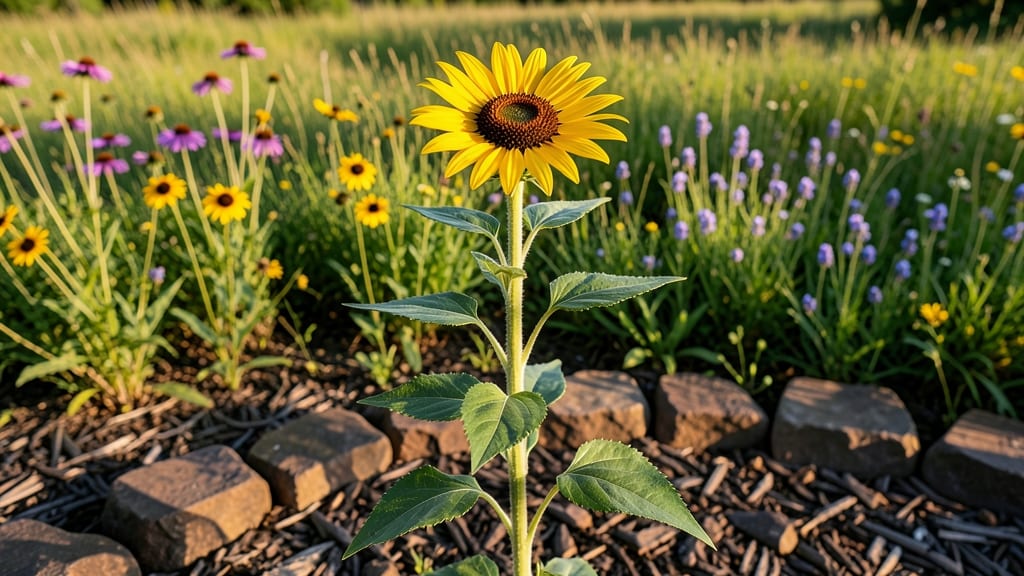
Growing Heliopsis helianthoides—the false sunflower—has been my go-to for turning Pacific Northwest gardens into buzzing pollinator hotspots. 🌿 This tough perennial thrives where others struggle, blooming from early summer until frost with bright yellow daisy-like flowers that bees adore.
The secret lies in its adaptability: it tolerates everything from wet springs to dry summers, making it the low-maintenance star of my garden.
You’ll need well-draining soil (even clay works if amended with compost) and full sun to partial shade—it’s flexible enough for urban yards or wild meadows. Watering is simple: once established, it handles drought like a champ, but young plants appreciate consistent moisture until roots settle.
Pruning spent blooms encourages more flowers, and dividing clumps every 3-4 years keeps them vigorous. The real magic? Planting it near herbs or veggies—its nectar attracts pollinators that boost yields.
By late summer, your garden will hum with bees, butterflies, and hummingbirds, all drawn to its nearly nonstop blooms. The plants grow 3-5 feet tall, making them perfect for borders or cutting gardens, and they self-seed minimally (unlike their sunflower cousins).
Even in Zone 4, they return year after year with minimal fuss. For gardeners tired of high-maintenance perennials, this is the one that delivers.
Pro tip: Deadhead in fall to tidy up, but leave some seed heads for winter interest and birds. Pair it with coneflowers or black-eyed Susans for a golden-yellow pollinator party that lasts all season. Ready to make your garden a haven for wildlife? Let’s get growing.
📚 In This Guide
- What you need
- Instructions
- Tips and common mistakes
- Wrapping up and next steps
What you need
- ● Seeds: 10–20 Heliopsis helianthoides seeds (native or wild-collected if preferred).
- ● Well-draining soil: Native soil mix or a blend of 50% topsoil + 30% compost + 20% perlite/sand (for heavier PNW clay).
- ● Sunlight: Full sun (6+ hours/day) or partial shade (3–6 hours) in hotter microclimates.
- ● Water: Drip irrigation or a watering can (1–2 inches per week, less in winter).
- ● Hand trowel or small garden fork (for planting seeds).
- ● Garden gloves (to protect hands from prickly stems).
- ● Mulch (straw or wood chips, 2–3 inches thick) to retain moisture and deter weeds.
- ● Native plant companion seeds (e.g., Echinacea or Rudbeckia) for a pollinator-friendly border.
- ● Organic fertilizer (low-nitrogen, like 5-5-5) for established plants (spring/fall).
- ● Bird netting (if squirrels are seed thieves in your area!).
Step-by-step instructions for cultivating false sunflower (Heliopsis helianthoides)
This hardy perennial thrives with minimal fuss—just follow these clear steps.
🌱 Step 1: Choose the Perfect Pacific Northwest Site
Select a location with at least 6 hours of direct sun daily, though Heliopsis tolerates partial shade better than many perennials. In the PNW’s damp climate, prioritize well-draining soil—this plant despises soggy roots. If your garden has heavy clay, amend with 2-3 inches of compost mixed into the top 12 inches of soil before planting.
Here’s the thing—this plant spreads naturally, so give it room. Space 4-5 plants 2-3 feet apart for a full, pollinator-friendly display. If you’re planting in groups, consider a 3-foot diameter circle for each cluster to allow for future expansion without crowding.
☀️ Step 2: Plant at the Right Time and Depth
Spring is ideal, but Heliopsis handles fall planting too—just get it in before the first hard frost. Dig holes twice as wide as the root ball but only as deep as the container’s base. This prevents burying the crown too deeply, which can cause rot in the PNW’s wet winters.
Gently remove the plant from its container and tease apart any circling roots. Place it in the hole so the top of the root ball sits level with the surrounding soil. Backfill with native soil, tamp lightly, and water deeply to settle everything. You’ll know it’s right when the soil surface looks slightly compressed but not packed down like concrete.
💧 Step 3: Water Strategically for PNW Conditions
Water deeply once a week during the first growing season to encourage strong root development. After establishment, Heliopsis is drought-tolerant once roots are deep, but in the PNW’s cloudy summers, a light soaking every 10-14 days keeps it thriving. The key is moisture, not sogginess—think of a wrung-out sponge, not a swamp.
Mulch with 2-3 inches of organic mulch (like shredded bark or straw) to retain moisture and suppress weeds. Keep the mulch 2 inches away from the stem to prevent rot. In winter, a 3-inch layer of mulch protects roots from freeze-thaw cycles common in the PNW.
✂️ Step 4: Prune for Pollinators and Winter Hardiness
After the first flush of blooms fades in early summer, cut back stems by one-third to encourage a second, often more prolific flowering. This also prevents the plant from getting leggy in the PNW’s shorter summer days. Use clean, sharp shears and make cuts just above a set of leaves or a healthy bud.
In late fall, after the first hard frost blackens the foliage, cut back stems to 2-3 inches above the ground. This prevents disease buildup in the crown over winter. Unlike many perennials, Heliopsis doesn’t need winter protection beyond that light pruning—it’s one of the hardiest pollinator plants for the PNW.
🌿 Step 5: Encourage Pollinators and Long-Term Health
Leave some seed heads on a few stems to feed birds and provide food for overwintering insects. However, remove any diseased or dead foliage promptly—this plant rarely gets pests, but fungal issues can arise in the PNW’s humid summers. If you notice yellowing leaves, improve airflow by thinning stems or spacing plants further apart.
Every 2-3 years, divide mature clumps in early spring to rejuvenate the plant. Dig up the entire root mass, separate into sections with 3-5 stems each, and replant immediately. This prevents the center from dying out and keeps your Heliopsis looking fresh for decades.
Tips & tricks for cultivating thriving false sunflower
These practical insights will help you coax the most vibrant growth from your Heliopsis helianthoides—especially in the PNW's unique climate.
Site Selection Secret: While the instructions mention at least 6 hours of direct sun, I've found that morning sun with afternoon shade works beautifully in hotter microclimates. The key is avoiding afternoon sun in areas where summer temperatures exceed 85°F—this plant can get stressed. Test your site by observing how much sun it gets between 10 AM and 4 PM during summer months.
Planting Depth Technique: The instructions specify planting at the same depth as the container's base, but I've noticed a common mistake with Heliopsis—burying the crown too deeply. Here's what to watch for: After placing the root ball in the hole, the topmost set of leaves should be just above the surrounding soil level. This prevents crown rot, especially important in the PNW's wet winters. If you're unsure, gently press your thumb into the soil around the stem—it should feel firm but not compacted like concrete.
Watering Wisdom: The recommended deep watering once a week during establishment is perfect, but I've learned that checking soil moisture is more important than following a rigid schedule. Stick your finger about 2 inches into the soil—if it feels dry at that depth, it's time to water. In the PNW's cloudy summers, you might find you only need that light soaking every 14 days, but don't let the soil become bone dry between waterings, especially during the first growing season when roots are establishing.
Pruning Precision: When cutting back stems by one-third after the first flush of blooms, I recommend making your cuts just above a set of leaves or a healthy bud using clean, sharp shears. The angle matters too—make a slight downward cut to help water run off the stem and prevent rot. For the late fall pruning to 2-3 inches above ground, I've found that using sterilized shears (dipped in rubbing alcohol) helps prevent any potential disease transfer, especially important in the PNW's humid climate.
Pro Tips for False Sunflower Heliopsis Helianthoides
- These practical insights will help you coax the most vibrant growth from your Heliopsis helianthoides—especially in the PNW's unique climate.
- Site Selection Secret: While the instructions mention at least 6 hours of direct sun, I've found that morning sun with afternoon shade works beautifully in hotter microclimates.
- Planting Depth Technique: The instructions specify planting at the same depth as the container's base, but I've noticed a common mistake with Heliopsis—burying the crown too deeply.
Frequently asked questions
about Heliopsis helianthoides—the false sunflower—can help you troubleshoot, plan, and enjoy this resilient PNW favorite. Here are answers to the most common queries:When is the best time to plant false sunflowers in the Pacific Northwest?
Plant seeds outdoors in early spring (March–April) after the last frost, or start them indoors 6–8 weeks before the last frost date. Young plants can handle light frosts, but avoid transplanting when soil is waterlogged. For best results, aim for full sun exposure (6+ hours/day)—even in cloudy PNW summers!
Why aren’t my false sunflowers attracting pollinators like bees and butterflies?
If pollinators are scarce, check these fixes:
- Timing: Peak bloom (July–September) is prime time—plant in clusters for better visibility.
- Pesticides: Avoid synthetic sprays; opt for neem oil or soapy water for pests.
- Water stress: Drought can reduce nectar; mulch to retain moisture.
How do I prevent false sunflowers from flopping over in windy PNW conditions?
Use these wind-resistant strategies:
- Stake tall varieties (4–5 ft) with bamboo stakes or spiral ties at planting.
- Plant in sheltered spots (e.g., near fences or shrubs).
- Choose dwarf cultivars (like ‘Sommersonne’) for low-maintenance gardens.
Can false sunflowers grow in containers, or do they need garden beds?
Yes! They thrive in large containers (12"+ diameter) with well-draining soil. Use a mix of potting soil + perlite to prevent root rot. Containers dry faster—water deeply 2–3x/week in summer. Just ensure the pot gets full sun and isn’t moved frequently (they dislike root disturbance).
What pests should I watch for, and how do I treat them naturally?
Common culprits in the PNW:
Pest
Signs
Natural Fix
Aster yellows (disease)
Stunted growth, yellowing leaves
Remove infected plants; improve airflow
Japanese beetles
Skewered leaves
Handpick at dawn; spray kaolin clay
Slugs/snails
Ragged holes in foliage
Beer traps or copper tape around pots
Wrapping up and next steps
Growing False Sunflower (Heliopsis helianthoides) in the Pacific Northwest isn’t just rewarding—it’s a gift to your garden and local pollinators! 🐝 With its hardy nature, minimal fuss, and stunning blooms, this native beauty thrives even in less-than-perfect conditions.
Whether you’re a seasoned gardener or just starting out, adding this plant to your landscape is a win-win for aesthetics and ecology.
Ready to take the next step? Start small—plant a few in your garden this season and watch them spread joy (and butterflies!). Need more inspiration? Explore companion plants or creative ways to incorporate Heliopsis into your design—your future garden will thank you! 🌱