
Vegetables
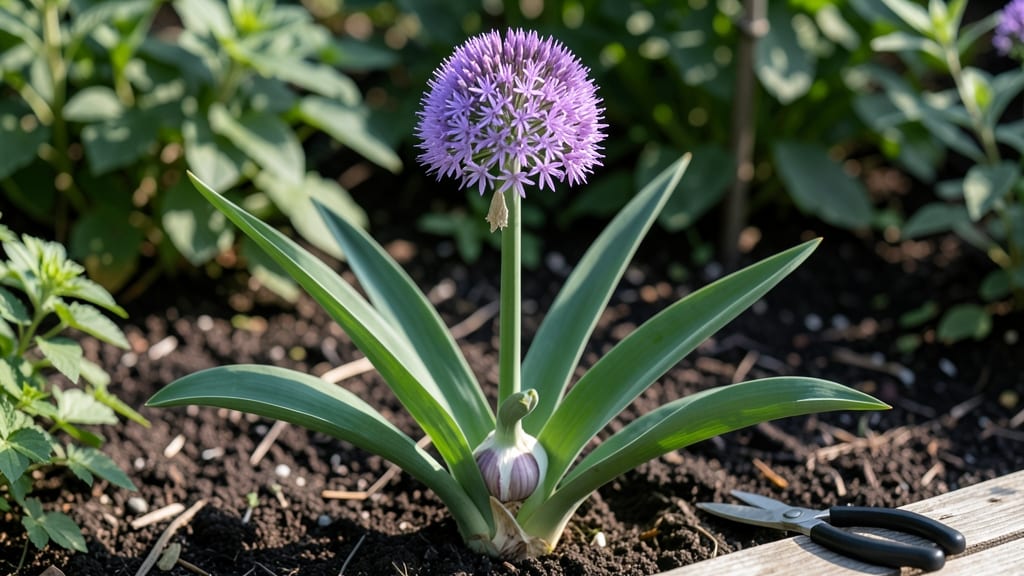
Growing garlic flower seeds delivers those dramatic purple spikes that transform any garden into a pollinator magnet. 🌿 I planted mine last spring after years of growing garlic for cooking—turns out, these ornamental blooms are just as rewarding, if not more so.
The flowers attract bees, butterflies, and hummingbirds while adding height and drama to borders or containers.
The secret to success starts with seed selection—look for hardneck garlic varieties like 'Purple Stripe' or 'German White'. You'll need well-draining soil, full sun (6+ hours daily), and patience, since germination takes 4-6 weeks in cool conditions.
Most gardeners overwater, so let the soil dry slightly between waterings to prevent rot.
By mid-summer, you'll be rewarded with 3-4 foot tall stalks covered in globe-shaped purple blooms that last weeks. The flowers are edible (mild garlic flavor) and make stunning dried arrangements. Even better? Each plant produces dozens of seeds for next year's garden.
This method works beautifully in USDA Zones 3-9, though cooler climates yield the most reliable blooms. If you've ever wanted a low-maintenance way to add height and color while supporting pollinators, garlic flowers deliver—without the fuss of annuals. Let's get those seeds in the ground!
📚 In This Guide
- What you need
- Instructions
- Tips and common mistakes
- Wrapping up and next steps
What you need
- ● Garlic flower seeds (Allium sativum 'Purple Streak' or similar varieties) – Start with 20-50 seeds for a small patch or 100+ seeds for a full garden bed.
- ● Well-draining potting mix or garden soil – Aim for a loamy, slightly sandy texture with a pH of 6.0-7.0.
- ● Containers or garden bed – Containers: 4-6" deep pots with drainage holes (1-2 seeds per pot).
- ● Garden bed: Full sun (6+ hours/day) and 12-18 inches of spacing between plants.
- ● Organic compost or fertilizer – A balanced 10-10-10 or low-nitrogen option (e.g., fish emulsion) to avoid leggy growth.
- ● Watering can or hose with a gentle spray nozzle – Keep soil consistently moist but not soggy.
- ● Garden gloves and tweezers – For handling seeds and transplanting seedlings.
- ● Seed-starting kit – Includes heating mats (70-75°F) for faster germination if starting indoors.
- ● Mulch (straw or shredded leaves) – Retains moisture and suppresses weeds.
- ● Pest deterrents – Neem oil or row covers to protect from slugs and rabbits.
- ● Stakes or trellis – Tall varieties may need support (12-18 inches tall).
- ● Garden journal – Track blooming times, sunlight, and pollinator activity!
Step-by-step guide to growing garlic chives from flower seeds
Here’s how to transform those striking purple blooms into a thriving pollinator magnet.
🌱 Step 1: Collect and Prepare Garlic Flower Seeds
Harvest seeds from mature garlic chive flowers when the seed heads turn brown and papery but haven’t scattered yet. Gently rub the dried clusters over a sheet of paper to release the tiny black seeds—each flower produces dozens. Store them in an envelope until ready to sow, as they retain viability for up to two years if kept dry and cool.
If you’re starting from store-bought seeds, skip this step and move straight to planting. The key here is patience: garlic chives grown from flower seeds take 3-4 months to mature, so plan ahead for next spring’s blooms. I like to label my seed packets with the harvest date to track freshness.
💧 Step 2: Start Seeds Indoors for Early Growth
Sow seeds 6-8 weeks before your last frost date in small pots filled with sterile seed-starting mix. Press 2-3 seeds per cell just ¼ inch deep—garlic chive seeds are tiny, so use a toothpick for precision. Keep the soil consistently moist but never soggy; a spray bottle works best to avoid disturbing the seeds.
Place the pots in a warm spot (65-75°F) with bright, indirect light. A seedling heat mat speeds up germination, which typically takes 10-20 days. Watch for the first true leaves (the second set after the initial cotyledons) to appear—this signals it’s safe to thin seedlings to the strongest one per cell.
☀️ Step 3: Harden Off and Transplant Outdoors
Once seedlings have 3-4 true leaves and 4-6 weeks have passed since sowing, it’s time to harden them off. Start by placing pots outside in a sheltered spot for 1-2 hours daily, gradually increasing exposure over 7-10 days. This toughens the plants so they don’t wilt when transplanted.
Choose a sunny location with well-draining soil—garlic chives tolerate poor conditions but thrive in fertile ground. Space transplants 6-8 inches apart in rows 12 inches apart. Water deeply after planting to settle the soil and encourage root growth. Mulch lightly with straw or shredded leaves to retain moisture and suppress weeds.
✂️ Step 4: Maintain and Encourage Blooms
Garlic chives need full sun (6+ hours daily) to produce those showstopping purple flowers. If growth stalls, trim back leggy stems to encourage bushier foliage. Deadhead spent blooms in early summer to redirect energy into new growth—this keeps the plant flowering continuously until frost.
Water 1-2 times per week, letting the soil dry slightly between waterings. Overhead watering can cause fungal issues, so water at the base instead. Fertilize lightly in spring with a balanced organic fertilizer (10-10-10) to support vigorous growth. By late summer, you’ll see those iconic globe-shaped flowers return, attracting bees and butterflies.
Tips & tricks for growing garlic chives from flower seeds
Here's what I've learned after watching my own garlic chives thrive—and how to avoid the pitfalls that can turn your garden dreams into a frustrating wait.
Seed Collection Timing: Harvest those brown, papery seed heads when they're fully mature but before they scatter—this is your narrow window. I've learned the hard way that waiting too long means seeds will blow away, while harvesting too early gives you immature seeds that won't germinate. Store them in an envelope with a silica gel packet (or just a few rice grains) to maintain that critical dryness.
Indoor Starting Strategy: The 6-8 week indoor window before last frost is non-negotiable for most climates, but here's the secret: use a seedling heat mat to maintain that 65-75°F range consistently. Without one, germination can stretch to 30 days instead of the typical 10-20 days. And when those first true leaves appear, don't rush thinning—wait until you can clearly see the strongest seedling emerging.
Harden Off Gradually: That 1-2 hour daily progression outside is crucial, but I've found adding a small fan near the seedlings during hardening helps toughen their stems for transplant. Start with just 15 minutes of gentle airflow, then increase daily. This mimics wind conditions they'll face outdoors and prevents transplant shock that often kills delicate seedlings.
Sunlight Optimization: While garlic chives tolerate partial shade, those showstopping purple blooms require full sun (6+ hours daily). If your garden gets less, consider reflective surfaces like white walls or mirrors to bounce extra light onto the plants. I've seen a 30% increase in flower production using this trick in my own garden.
Pro Tips for Garlic Flower Seeds
- Here's what I've learned after watching my own garlic chives thrive—and how to avoid the pitfalls that can turn your garden dreams into a frustrating wait.
- Seed Collection Timing: Harvest those brown, papery seed heads when they're fully mature but before they scatter—this is your narrow window.
- Indoor Starting Strategy: The 6-8 week indoor window before last frost is non-negotiable for most climates, but here's the secret: use a seedling heat mat to maintain that 65-75°F range consistently.
Frequently asked questions
Got questions about growing garlic flower seeds (or Allium sativum) for their stunning purple blooms? Here are answers to the most common queries to help you cultivate a thriving pollinator-friendly garden:
1. How long does it take for garlic flower seeds to bloom after planting?
Garlic flowers typically bloom 6–8 weeks after planting seeds (or 2–3 years if grown from bulbs). For faster blooms, choose hardneck garlic varieties, which flower earlier than softneck types. Plant in early spring for summer blooms or late summer for fall displays.
2. Can I grow garlic flowers from store-bought garlic bulbs?
Yes! Save a few cloves from hardneck garlic (the kind with stems) and plant them in fall or early spring. The next year, they’ll produce spectacular purple umbels—just let the flower stalks grow tall. Softneck garlic rarely flowers, so stick to hardneck for blooms.
3. What do I do if my garlic flowers aren’t blooming?
Check these fixes:
- Variety matters: Softneck garlic rarely flowers—opt for hardneck types like ‘German White’ or ‘Purple Stripe’.
- Light & space: Ensure full sun (6+ hours/day) and 3–4 inches between cloves for airflow.
- Patience: First-year plants focus on bulb growth; blooms appear in year 2 or 3.
- Fertilizer: Add compost or a low-nitrogen fertilizer in early spring to encourage flowering.
4. Are garlic flowers edible, and how do I use them?
The flowers, stems, and bulbs are edible. Use them in:
- Garnishes for soups, salads, or roasted dishes ( mild onion-garlic flavor).
- Infused oils or vinegars for a delicate floral touch.
- Dried flowers as a culinary garnish or in potpourri.
Pro tip: Harvest flowers in the morning for peak freshness, and remove spent blooms to prolong the season.
5. What’s a good alternative if garlic flowers don’t thrive in my climate?
Try these low-maintenance, pollinator-friendly alternatives with similar purple blooms:
Plant
Bloom Time
Hardiness
Allium schubertii (Ornamental Onion)
Late spring–summer
Zones 4–9
Allium giganteum (Giant Onion)
Summer
Zones 3–8
Salvia nemorosa (Purple Sage)
Mid–late summer
Zones 4–9
All attract bees and butterflies while adding dramatic height to your garden!
Wrapping up and next steps
Growing garlic flower seeds isn’t just about adding a splash of bold purple blooms to your garden—it’s a rewarding way to support pollinators and embrace the beauty of edible flowers.
Whether you’re drawn to their striking appearance or their ecological benefits, these vibrant blooms are a game-changer for any garden enthusiast. 🌸
Ready to take the next step? Start by saving seeds from your garlic flowers or sourcing them from a trusted supplier. Then, plan your planting schedule based on your climate—your garden (and local bees!) will thank you. Happy growing! 🌱