
Flowers
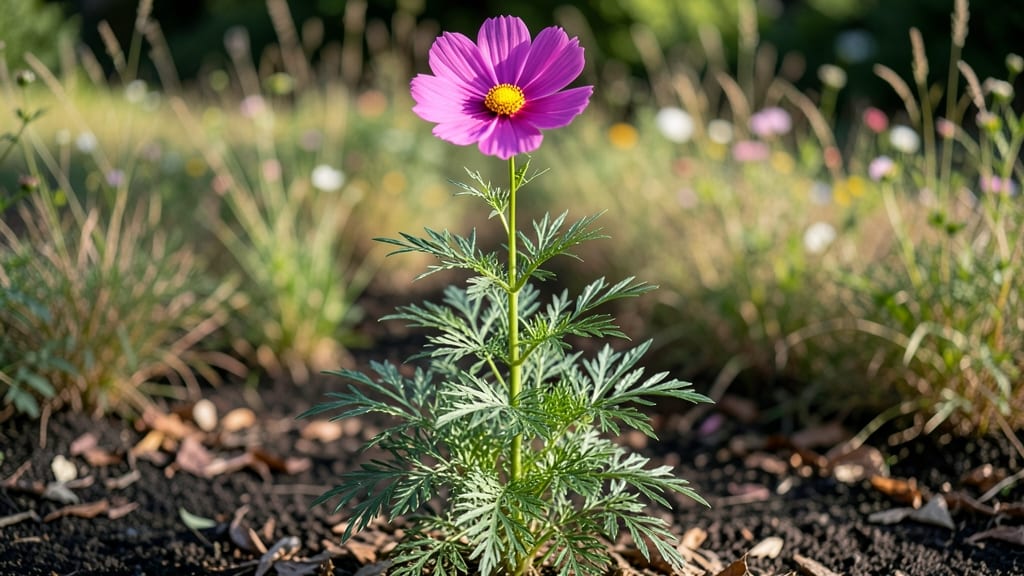
Growing giant cosmos flowers means turning your garden into a dreamy, sunlit meadow with almost no effort—just drop seeds in spring and watch them reach 5-6 feet tall by summer. 🌻 I learned the hard way that these towering beauties thrive on neglect, but they do need one critical thing: full sun and soil that drains well.
My first batch flopped because I planted them in heavy clay, but after amending the bed with compost, they exploded into blooms that lasted from July through frost.
The best part? These flowers handle everything—drought, poor soil, even deer nibbles (though they might still try). You’ll need a sunny spot with at least 6 hours of direct light daily, and while they don’t demand rich soil, adding a balanced fertilizer at planting gives them a head start.
Once established, they’re basically self-sufficient, popping up year after year from their own seed.
By midsummer, you’ll have stems so sturdy they don’t need staking, and blooms so abundant they’ll attract clouds of butterflies. The secret to keeping them flowering all season is deadheading spent blooms—just snip them back to the next set of leaves, and more will rush to take their place.
Even my black thumb can’t kill these, which is why they’ve become my go-to for effortless drama.
Works in borders, cutting gardens, or even as a natural screen—just give them space to sprawl. Once you’ve grown them, you’ll never buy cut flowers again. Let’s get those seeds in the ground!
📚 In This Guide
- What you need
- Instructions
- Tips and common mistakes
- Wrapping up and next steps
What you need
- ● Cosmos seeds: Choose Cosmos bipinnatus or Cosmos sulphureus for towering varieties (1–2 seed packets, ~50–100 seeds each). Look for heirloom or giant varieties for extra height!
- ● Potting soil or garden bed: Option 1: Well-draining potting mix (2–3 bags, 1.5–2 cubic feet each) for containers.
- ● Option 2: Loose, fertile garden soil (amend with compost if needed) for in-ground planting.
- ○ Containers (optional): 5–10-inch diameter pots or grow bags (if not planting directly in the ground). Ensure they have drainage holes!
- ● Compost or organic fertilizer: 1–2 cups of balanced 10-10-10 fertilizer or compost tea to boost growth.
- ● Hand trowel or small shovel for planting seeds.
- ● Watering can or hose with a gentle spray nozzle (cosmos hate soggy roots!).
- ○ Gloves (optional) to keep hands clean while handling soil.
- ● Sunlight access: A spot with full sun (6+ hours/day)—cosmos thrive in warmth!
- ○ Stakes or cages (optional): For taller varieties (4–6 feet), add 3–4 ft stakes early to support stems.
- ● 🌡️ Timing: Sow seeds after the last frost when soil is at least 50°F (10°C). Cosmos germinate quickly in warm soil!
- ● ✨ Thinning: Once seedlings sprout, thin to 12–18 inches apart to give roots room to grow.
- ● 💧 Watering: Keep soil consistently moist but not waterlogged—cosmos are drought-tolerant once established!
How to grow towering cosmos blooms that wow
These easygoing annuals deliver drama with almost no fuss once you know the right moves.
🌱 Step 1: Choose the Perfect Planting Spot
Giant cosmos thrive in full sun—at least 6-8 hours daily. I always pick the sunniest corner of my garden because they reward you with 5-7 foot stems when happy. The soil should drain well; cosmos hate soggy feet, so avoid low spots where water pools after rain.
Here's the thing—cosmos are drought-tolerant once established, but they need consistent moisture when young. Amend heavy clay soil with 2-3 inches of compost to improve drainage and fertility. I work it into the top 6 inches of soil before planting. You'll see those first leaves emerge faster in rich, crumbly soil.
🌱 Step 2: Direct Sow Seeds at the Right Time
Wait until after your last frost date when soil temperatures reach 50°F—cosmos seeds won't germinate in cold soil. I plant mine in late spring, around 2-3 weeks after the frost danger has passed in my zone. Scatter seeds ¼ inch deep and 12 inches apart in rows 18 inches apart.
Don't cover them too deeply—they need light to germinate. I sprinkle a thin layer of soil over the seeds, then lightly water. You'll see sprouts in 10-14 days if conditions are right. If your area gets hot summers, consider sowing a second batch in early summer for extended blooms.
☀️ Step 3: Provide Minimal Care for Maximum Blooms
Once established, cosmos are nearly self-sufficient. Water 1 inch per week during dry spells, but let the soil dry between waterings to prevent disease. I usually water in the morning so leaves dry quickly—this prevents fungal issues that can rot stems.
Deadhead spent blooms by pinching off the faded flowers. This encourages more blooms instead of letting the plant put energy into seed production. You'll notice new buds forming within 2-3 weeks of regular deadheading. Cosmos don't need fertilizer unless your soil is very poor, but a light application of 5-10-10 in early summer can boost height.
✂️ Step 4: Support Tall Stems and Extend the Season
When plants reach 3 feet tall, I install 6-foot bamboo stakes or use a small trellis to prevent flopping. Tie stems loosely with soft plant ties or old fabric strips—don't cinch too tight or you'll restrict growth. You'll see stems grow 1-2 inches per day during warm weather.
For a longer display, cut back stems by 1/3 after the first flush of blooms. This triggers a second wave of flowers. I do this in mid-summer when the first blooms start fading. You'll get another 6-8 weeks of color from this simple pruning trick.
Tips & tricks for perfect giant cosmos blooms
Here's what nobody tells you about growing these showstoppers—small details that make all the difference.
Sunlight Secret: While 6-8 hours of sun is ideal, I've found that cosmos actually thrive with even more sunlight if your summers are hot. In my zone, I give them full sun exposure (10+ hours) for the boldest blooms and tallest stems. The trade-off? You'll need to water more frequently during heatwaves—these plants will tell you when they're thirsty by drooping slightly in the afternoon.
Germination Hack: The 10-14 day germination window can feel like forever, but you can speed things up by soaking seeds in warm water for 6 hours before planting. I do this when I'm eager to see sprouts! Just be gentle when handling them—they're delicate. Also, keep the soil consistently moist during this period, but never soggy. A spray bottle works perfectly for light watering without disturbing seeds.
Support System: Those 6-foot bamboo stakes might seem like overkill, but trust me—they're worth it. I've seen cosmos flop dramatically in windy conditions, especially when blooms get heavy. For extra insurance, I install stakes when plants reach 2 feet tall (a foot earlier than instructions) and use soft plant ties that won't cut into the stems as they grow. The plants grow so fast you'll need to adjust the ties every few days.
Pruning Payoff: The 2-3 week wait after deadheading can feel long, but I've learned to be patient. For maximum impact, I deadhead in the morning when blooms are still fresh. This gives the plant all day to recover before nighttime moisture sets in. And that mid-summer pruning trick? It's a game-changer—my cosmos have given me continuous blooms from June through October using this method.
Pro Tips for Giant Cosmos Flowers
- Here's what nobody tells you about growing these showstoppers—small details that make all the difference.
- Sunlight Secret: While 6-8 hours of sun is ideal, I've found that cosmos actually thrive with even more sunlight if your summers are hot.
- Germination Hack: The 10-14 day germination window can feel like forever, but you can speed things up by soaking seeds in warm water for 6 hours before planting.
Frequently asked questions
Got questions about growing these celestial beauties?
Here are some of the most common queries—and answers—to help you cultivate Cosmos bipinnatus with confidence.
How tall do giant cosmos flowers actually grow?
Giant cosmos varieties like Cosmos bipinnatus typically reach 3 to 6 feet tall, though some towering cultivars can even hit 7 feet with proper care. They’re lightweight stems, so they rarely need staking—but a little support can help them stand proudly in windy areas.
When is the best time to plant giant cosmos seeds?
These sun-loving flowers are cold-hardy and can be sown directly in the garden 2–4 weeks before your last frost date (spring) or even in early fall for a winter-to-spring show. They germinate quickly in warm soil—60–70°F is ideal—so don’t rush early plantings!
How often should I water giant cosmos flowers?
Once established, giant cosmos are drought-tolerant, but young seedlings need consistent moisture to prevent leggy growth. Water deeply 1–2 times per week during dry spells, focusing on the soil base (not the leaves) to avoid fungal issues. Overwatering is the real enemy here!
Can I grow giant cosmos in containers or hanging baskets?
While they thrive in open garden beds, cosmos adapt well to containers 12+ inches deep with good drainage. Opt for lightweight potting mix and a 5-gallon pot per plant to support their height. Hanging baskets work too—just ensure they’re sturdy enough for mature blooms!
Why aren’t my giant cosmos blooming?
No flowers? Check these fixes:
- Too much nitrogen (use a balanced 10-10-10 fertilizer instead).
- Overcrowding—thin seedlings to 12–18 inches apart for airflow.
- Deadheading spent blooms encourages more flowers!
- Not enough sun—they need 6+ hours of direct light daily.
Wrapping up and next steps
Giant cosmos flowers bring effortless beauty to any garden, proving that stunning blooms don’t require endless work. With the right soil, sunlight, and a little patience, you can enjoy towering, vibrant flowers that thrive with minimal fuss.
Whether you're a seasoned gardener or a beginner, these hardy plants are a fantastic way to add drama and color to your outdoor space.
Ready to transform your garden? Start by gathering your supplies and follow the simple steps outlined in this guide. Plant your cosmos seeds today, and soon you’ll be rewarded with a breathtaking display of nature’s artistry—all while keeping your efforts low! 🌸✨