
Flowers
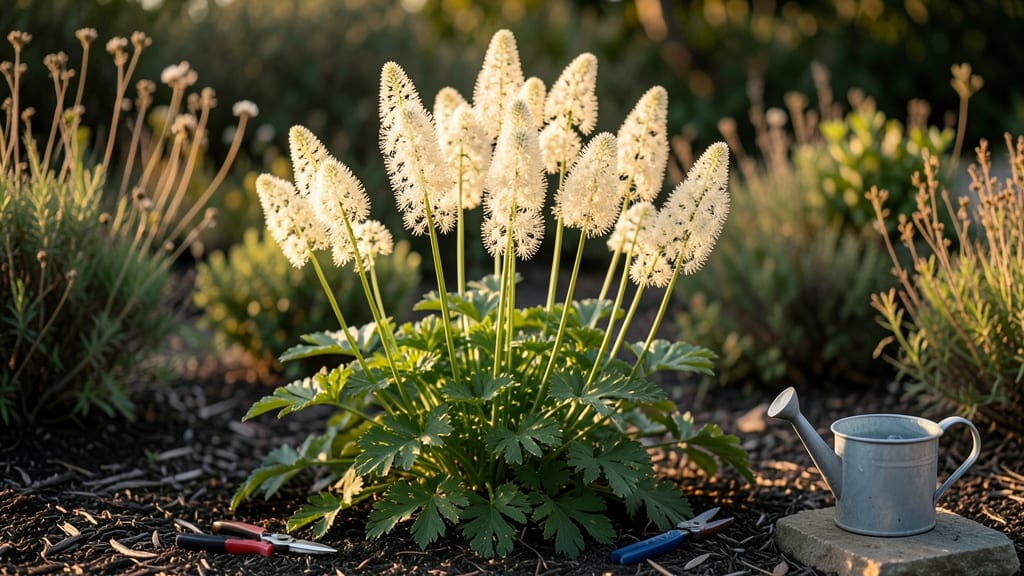
Growing goat's beard flower (Aruncus dioicus) in the Pacific Northwest means you get a frost-proof stunner that thrives where many perennials struggle. 🌿 This airy, plume-like beauty—with its feathery white blooms and bold foliage—stands out in shade gardens and woodland edges, where it spreads gracefully over time.
The secret to its success? Mimicking its natural habitat: moist, well-drained soil and dappled light. I’ve watched mine bounce back from winter’s harshest freezes, year after year, proving it’s the low-maintenance showstopper PNW gardens crave.
The real magic happens in partial shade, where the foliage stays lush and the blooms last longer. Plant in well-amended soil—a mix of compost and native soil works wonders—and keep it consistently moist but never soggy.
Mulch in winter to protect the roots, and you’ll see those iconic plumes emerging by early summer, swaying like cotton candy in the breeze.
It’s the kind of plant that rewards patience: the first year might be modest, but by year three, it becomes a dramatic focal point that hummingbirds adore.
Pruning is almost nonexistent—just trim back dead foliage in early spring—but propagation is where things get fun. Divide clumps in early fall or spring, and you’ll have free plants to share with neighbors.
The foliage alone is ornamental, with deep green leaves that turn a stunning bronze in fall, but it’s those cloud-like blooms that make it unforgettable. Once established, goat’s beard is drought-tolerant enough to handle PNW’s occasional dry spells, though it still appreciates regular watering in hotter months.
Perfect for woodland gardens, shade borders, or as a statement plant near ponds or streams. It pairs beautifully with ferns, hostas, and other moisture-loving perennials, creating a layered, textured look that feels wild yet intentional.
If you’ve ever wanted a plant that’s both resilient and showy, this is it—no fuss, just impactful beauty that keeps giving for decades.
📚 In This Guide
- What you need
- Instructions
- Tips and common mistakes
- Wrapping up and next steps
What you need
- ● Goat’s beard seeds: 1–2 packets (50–100 seeds per packet). Choose Tragopogon pratensis for classic purple blooms or varieties like ‘Owl’s Head’ for unique shapes.
- ● Well-draining soil: Mix 60% native soil with 40% compost or potting mix (aim for a pH of 6.0–7.0). Avoid heavy clay.
- ● Sunlight access: Full sun (6+ hours/day) or partial shade (4–6 hours). Pacific Northwest’s mild climate works great!
- ● Watering can or hose: With a gentle spray nozzle for seedlings.
- ○ Garden gloves: Optional but recommended for handling prickly seed heads.
- ● Hand trowel: For planting seeds ¼–½ inch deep.
- ○ Rake or hoe: To loosen soil and create furrows (optional for larger batches).
- ● Row covers or frost cloth: Lightweight fabric to protect seedlings if late frosts linger (common in PNW spring!).
- ● Stakes or markers: To label seed rows (biodegradable or wooden stakes work well).
- ● Slow-release fertilizer: 5–10-10 NPK ratio (sprinkle lightly at planting).
- ● Mulch (straw or shredded leaves): To retain moisture and suppress weeds.
- ● Pruning shears: For deadheading spent blooms to encourage reblooming.
- ● Dried flower preservative: If you plan to harvest seed heads for arrangements (e.g., silica gel or borax solution).
Step-by-step guide to planting and cultivating goat's beard in the Pacific Northwest
This hardy perennial thrives in cool climates—here's how to coax its dramatic plumes to life.
🌱 Step 1: Choose the Right Location and Prepare the Soil
Goat's beard (Aruncus dioicus) loves moist, well-draining soil with a slightly acidic to neutral pH. In the Pacific Northwest's damp climate, I always plant mine in a location that gets morning sun and afternoon shade—this prevents the foliage from scorching while still providing enough light for those iconic flower plumes to develop.
Before planting, amend your native soil with 2-3 inches of compost to improve drainage and fertility. Goat's beard has deep roots, so I dig a hole about 12 inches deep and twice as wide as the root ball. This gives those roots plenty of room to establish without competing with surface weeds.
🌿 Step 2: Plant Bare-Root or Container-Grown Plants at the Right Time
Spring is ideal for planting goat's beard in the Pacific Northwest, but you can also plant in early fall. I like to get mine in the ground by late April or early May, once the soil has warmed to at least 50°F—this gives the roots time to establish before summer heat arrives.
Place the plant so the top of the root ball sits 1 inch below soil level. Backfill with native soil mixed with compost, then water deeply to settle everything. The key here is to avoid burying the crown too deeply—goat's beard is prone to rot if smothered. After planting, mulch with 2-3 inches of shredded bark to retain moisture and suppress weeds.
☀️ Step 3: Water Consistently and Provide Support for Tall Stems
Goat's beard's towering flower stalks can reach 4-5 feet tall, so I always stake them early. I use 3-4 foot bamboo stakes placed around the plant and tie the main stems loosely with soft plant ties. This prevents flopping in windy Pacific Northwest conditions while still allowing natural movement.
Water deeply once a week during the first growing season, aiming for 1-1.5 inches of water per week. The soil should stay evenly moist but not soggy—goat's beard tolerates some drought once established, but young plants need consistent moisture. You'll know it's right when the soil feels damp 2-3 inches down.
✂️ Step 4: Prune and Divide to Maintain Health and Encourage Blooms
After the flower plumes fade in late summer, I cut the stems back to 6-8 inches tall. This keeps the plant tidy and redirects energy into next year's growth. Never remove more than 1/3 of the foliage at a time—goat's beard is slow to recover from heavy pruning.
Every 3-4 years, I divide mature clumps in early spring. Dig up the plant, separate the sections with a sharp spade, and replant immediately. This rejuvenates the plant and gives you extra specimens for your garden. Just be sure to water thoroughly after dividing—newly transplanted sections need moisture to establish roots.
⏰ Step 5: Prepare for Winter and Protect from Heavy Rain
The Pacific Northwest's wet winters can be tough on goat's beard's delicate foliage. I always cut back the previous year's growth to 3-4 inches tall in late fall and add an extra 3 inches of mulch around the base. This protects the crown from freezing and keeps the soil insulated.
Unlike some perennials, goat's beard doesn't need winter protection beyond proper mulching. The deep roots handle frost beautifully, and the plant often emerges earlier than most spring bloomers. Watch for new shoots in late February or early March—that's your signal to remove the mulch and start watering lightly.
Tips & tricks for perfect goat's beard cultivation
These practical insights will help you grow lush, thriving goat's beard that thrives in the Pacific Northwest's unique climate.
Soil Preparation Secret: The 2-3 inches of compost I recommend isn't just about nutrients—it's about creating the perfect moisture balance. In our region's damp conditions, I mix in 10% perlite or coarse sand to prevent waterlogging, which can cause root rot. This simple adjustment makes all the difference for those deep roots to establish properly.
Planting Timing Nuance: While late April to early May is ideal, I've found that planting in early April works too if you protect newly planted sections with a frost cloth during unexpected cold snaps. The key is getting the plants in the ground before soil temperatures consistently reach 50°F—this ensures they can establish before summer heat arrives. Between us, I've lost count of how many times I've seen gardeners rush planting too early!
Staking Strategy: For those 4-5 foot tall flower stalks, I recommend using 4 stakes per plant arranged in a square pattern rather than just 3. This creates a more stable structure that can handle our windy conditions without bending. I also use soft plant ties that can be easily adjusted as the plant grows—no need for harsh knots that can damage the stems.
Winter Protection Upgrade: The extra 3 inches of mulch in late fall is crucial, but I take it one step further by adding a thin layer of straw on top of the mulch. This provides an extra barrier against heavy winter rains that can compact the soil and suffocate the crown. In my experience, this simple layer makes all the difference in maintaining healthy growth year after year.
Pro Tips for Goat'S Beard Flower
- These practical insights will help you grow lush, thriving goat's beard that thrives in the Pacific Northwest's unique climate.
- Soil Preparation Secret: The 2-3 inches of compost I recommend isn't just about nutrients—it's about creating the perfect moisture balance.
- Planting Timing Nuance: While late April to early May is ideal, I've found that planting in early April works too if you protect newly planted sections with a frost cloth during unexpected cold snaps.
Frequently asked questions
Got questions about growing goat’s beard flowers in the Pacific Northwest?
You’re not alone! Here are answers to the most common queries—from planting tips to troubleshooting—so you can cultivate these fluffy, frost-resistant beauties with confidence.
When is the best time to plant goat’s beard in the PNW?
Plant goat’s beard in early spring (March–April) or fall (September–October) for optimal root establishment. The PNW’s mild winters mean it thrives even when planted in late fall, but avoid planting in summer heat—it prefers cooler soil. Pro tip: If planting in fall, mulch heavily to protect roots from early frosts!
How much water does goat’s beard need?
Goat’s beard is drought-tolerant once established (after 1–2 years), but young plants need regular watering (1–2 inches per week). Water deeply at the base (not overhead) to prevent fungal issues. Red flag: Yellowing leaves? You’re likely overwatering—let soil dry slightly between waterings.
Are goat’s beard flowers deer- or rabbit-resistant?
While not fully deer-proof, goat’s beard is less appealing than many garden favorites. Deer may nibble young shoots, but mature plants are often ignored. For extra protection, mix in deer-resistant companions like lavender or Russian sage. Bonus: Rabbits usually leave it alone too!
Will goat’s beard survive harsh PNW winters?
This hardy perennial thrives in USDA Zones 3–8 and handles snow, ice, and sub-zero temps like a champ. Key tip: Cut back dead foliage in late winter (February) to encourage fresh growth. Mulch with straw or leaves for extra insulation.
Can I grow goat’s beard in containers?
Yes! Use a large pot (12+ inches deep) with well-draining soil and place it in full sun. Container-grown plants may need more frequent watering and benefit from winter protection (move to a sheltered spot or wrap the pot). Warning: Roots spread aggressively—choose a container with drainage holes!
What if my goat’s beard isn’t flowering?
Common culprits: too much nitrogen (focus on phosphorus/potassium), overcrowding (thin plants every 3–4 years), or poor sunlight (6+ hours of sun daily). Fix it: Deadhead spent blooms, fertilize lightly in spring, and ensure it’s not shaded by taller plants.
Wrapping up and next steps
Growing goat’s beard flower in the Pacific Northwest is a rewarding journey—this hardy perennial thrives in frost, adds stunning texture to gardens, and even attracts pollinators! With the right soil, sunlight, and care, you’ll enjoy its fluffy blooms for years.
Whether you’re a seasoned gardener or just starting, this resilient plant is a fantastic addition to your outdoor space.
Ready to transform your garden? Grab your gloves, pick a sunny spot, and plant your goat’s beard this season—your future garden will thank you! 🌿✨