
Size
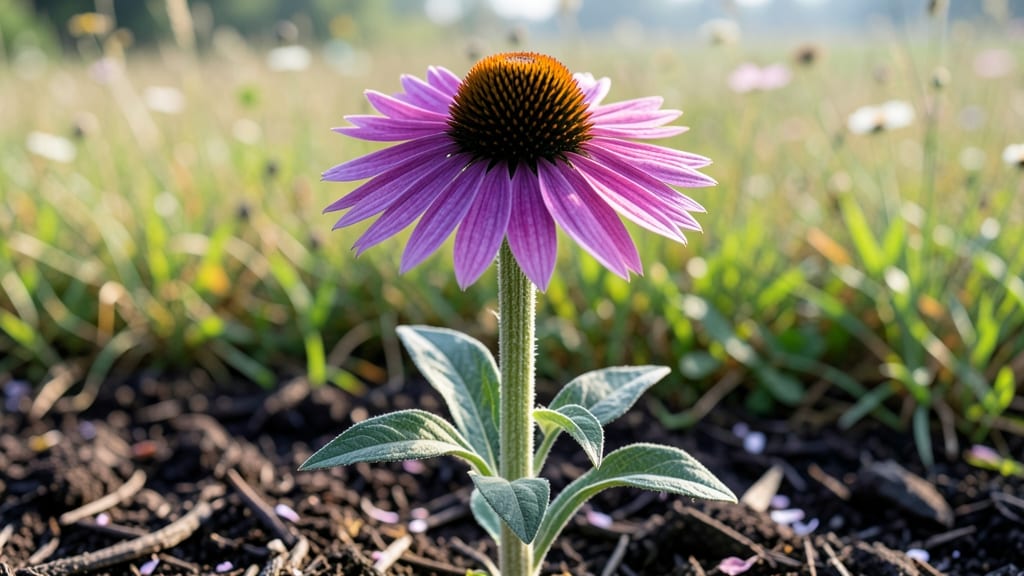
Wildflower gardens thrive where most plants fail—on rocky slopes, dry hillsides, and sunny patches that seem impossible to grow anything in. 🌸 I’ve turned my own sunbaked corner into a buzzing meadow where bees outnumber the blooms, and the only "weeding" I do is admiring the native grasses swaying in the breeze.
The secret isn’t fancy soil or constant watering—it’s choosing the right mix of seeds for your climate and letting nature do the rest. You’ll need a sunny spot (at least 6 hours of light daily), a rake, and about $20 worth of wildflower seeds—that’s it.
No tilling, no fertilizers, just scatter, lightly cover with soil, and watch magic happen.
By late spring, you’ll have a riot of color that keeps blooming all summer long—no deadheading, no staking, just pure, effortless beauty. The best part? Every visit reveals something new: a hummingbird darting between blazing star and coneflower, or a monarch butterfly resting on milkweed.
This garden grows itself once it’s established.
Perfect for beginners, busy gardeners, or anyone who wants a plot that’s more ecosystem than effort. Here’s how to make it happen without a single headache.
📚 In This Guide
- What you need
- Instructions
- Tips and common mistakes
- Wrapping up and next steps
What you need
- ● Seed Mix: Choose a wildflower seed blend suited to your climate (e.g., native prairie, meadow, or pollinator-friendly mixes). Aim for 1–2 lbs per 100 sq ft for full coverage.
- ● Soil: Loose, well-draining soil (amend heavy clay with compost or sand if needed). Test pH—most wildflowers thrive in neutral to slightly alkaline soil (6.0–7.5).
- ● Watering Can or Hose: A 1–2 gallon watering can or a hose with a gentle spray nozzle for even moisture.
- ● Garden Gloves: A pair of durable, breathable gloves to protect your hands from prickly stems or thorns.
- ● Rake: A bendable steel rake (for loosening soil) or a leaf rake (for smoothing seeds).
- ○ Optional Mulch: Straw or wood chips (1–2 inches thick) to retain moisture and suppress weeds (skip if sowing in fall).
- ● Seedling Trays: For starting seeds indoors (if your climate has a short growing season).
- ● Weed Barrier Fabric: To reduce weeding (lay landscape fabric before seeding).
- ● Wildflower Stakes or Markers: To label sections or track progress.
- ● Pruners: For trimming spent blooms (encourages regrowth!).
- ● Wildlife-Friendly Add-Ons: A small bird feeder or butterfly puddle station (a shallow dish with water and pebbles).
Step-by-step instructions for creating a thriving wildflower meadow
Here's how to transform sunlit patches into a vibrant, self-sustaining wildflower haven.
🌱 Step 1: Clear and Prepare the Site
Start by removing all existing vegetation in your chosen area. Use a garden rake to pull weeds and grass, then till the soil to a depth of 4-6 inches. This breaks up compacted soil and creates space for wildflower roots to establish. I like to work when the soil is slightly damp—it's easier to rake and less likely to clump.
If your site has heavy clay soil, mix in 2-3 inches of compost to improve drainage. Wildflowers thrive in well-draining soil, and this step prevents waterlogging that can rot delicate roots. After tilling, rake the surface smooth to create a fine seedbed—think of it like preparing a blank canvas for your meadow.
🌿 Step 2: Choose and Scatter Wildflower Seeds
Select a wildflower seed mix suited for your climate and sunlight conditions. Most wildflower blends contain a variety of native species that attract pollinators and require minimal care. Scatter the seeds evenly over the prepared area, aiming for about 1 pound of seed per 1,000 square feet. I use a broadcast spreader for large areas to ensure even coverage.
Lightly rake the seeds into the soil with a stiff-bristled rake, pressing them just enough to make contact with the earth. This prevents seeds from blowing away while keeping them from being buried too deep. Water gently with a sprinkler to settle the seeds into the soil without disturbing them. The goal is to keep the surface moist but not soggy—think of it like misting a freshly planted garden bed.
☀️ Step 3: Water and Maintain Through Establishment
Keep the soil consistently moist for the first 4-6 weeks after planting, which is critical for seed germination. Water deeply in the morning to allow the soil to dry slightly between waterings—this prevents fungal diseases that thrive in constantly wet conditions. You'll see the first sprouts appear in 2-4 weeks, depending on your climate and the specific seed mix.
Once seedlings reach 3-4 inches tall, reduce watering to once or twice a week, allowing the soil to dry between waterings. This encourages deep root growth, which is essential for wildflowers to survive drought conditions. Avoid fertilizing—wildflowers thrive in lean soil and often decline when over-fertilized.
✂️ Step 4: Let Nature Take Over
After the first year, your wildflower meadow will need minimal intervention. In late fall or early winter, cut back the dead growth to about 4-6 inches to allow sunlight to reach the soil and encourage new growth in the spring. This also prevents weeds from overtaking your meadow. I like to do this after the first frost, when most plants have gone dormant.
Resist the urge to tidy up too much—wildflowers rely on the natural cycle of growth and decay. Leave some seed heads and dried stems to provide winter habitat for birds and insects. Over time, your meadow will develop a natural balance, with some plants flowering earlier and others later, creating a continuous display from spring to fall.
Tips & tricks for perfect wildflower meadows
Here's what I learned after transforming three different gardens into thriving wildflower havens.
Site Selection is Everything: Look for areas with at least 6-8 hours of direct sunlight daily. Wildflowers need full sun to thrive, and partial shade spots will produce sparse blooms. I once planted a shade-loving mix in full sun—it took three years to recover, and the results were disappointing. Check your site's sunlight patterns throughout the day, especially if you're near trees or buildings that cast shifting shadows. A quick test: place a white sheet on the ground at noon for an hour—if it stays bright, you're good to go.
Soil Prep Secret: The 4-6 inch tilling depth mentioned in Step 1 is non-negotiable for breaking up compacted soil, but here's the extra step nobody tells you: after tilling, sprinkle a thin layer of garden lime if your soil tests acidic. Most wildflower mixes prefer a slightly alkaline pH (6.0-7.5). I test my soil every few years and adjust—it's made all the difference in bloom density. For clay-heavy soils, work in that 2-3 inches of compost thoroughly, but don't overdo it—wildflowers hate rich soil.
Seed Scattering Strategy: When scattering those 1 pound per 1,000 square feet seeds, work in small sections (about 10x10 feet at a time) to avoid overlap. I mark my sections with stakes and string for large areas. After scattering, I give the seeds a gentle mist with a hose attachment set to "rain" mode—this settles them without disturbing their placement. Pro tip: if you're planting in windy conditions, scatter seeds on a calm day or use temporary fencing to create a windbreak until they're lightly raked in.
Watering Wisdom: During that critical 4-6 week establishment period, I've found the "morning watering" rule works best, but here's the key: water when the top inch of soil feels dry. Use a moisture meter or just poke your finger in—if it comes out clean, it's time. Overwatering is just as bad as underwatering for young seedlings. Once you see those first sprouts (usually within 2-4 weeks), cut back immediately to prevent fungal issues. I set a reminder on my phone for the first few weeks to stay consistent.
Pro Tips for Grow A Wildflower Garden
- Here's what I learned after transforming three different gardens into thriving wildflower havens.
- Site Selection is Everything: Look for areas with at least 6-8 hours of direct sunlight daily.
- Most wildflower mixes prefer a slightly alkaline pH (6.0-7.5).
Frequently asked questions
Got questions about wildflower gardens?
You’re not alone! Here are answers to common concerns to help you grow with confidence—no green thumb required.
When is the best time to plant wildflower seeds?
For most regions, late summer to early fall (August–October) is ideal—seeds germinate in cool weather and establish roots before winter. Spring planting (March–April) also works, but avoid hot, dry periods. Check your seed packet for regional timing tips!
Do wildflowers need a lot of water?
Once established, wildflowers are drought-tolerant! Water seeds lightly after planting, then only during prolonged dry spells (about 1 inch per week). Overwatering can drown them. Think of them as “plant it and forget it” (almost).
Will wildflowers attract pests like bees or mosquitoes?
Bees and butterflies? Yes! They’re pollinators and great for ecosystems. Mosquitoes? Nope. Mosquitoes breed in stagnant water—wildflowers thrive in well-draining soil. Choose native species to support local wildlife without pests.
Can I grow wildflowers in containers or small spaces?
Use shallow containers (6+ inches deep) with drainage holes. Dwarf varieties (like lupine or black-eyed Susan) work well. Just ensure they get 6+ hours of sun daily—even balconies or window boxes can host a mini meadow!
Why aren’t my wildflower seeds germinating?
Common culprits:
- Too much shade—most wildflowers need full sun (6+ hours).
- Poor soil contact—press seeds lightly into soil (they need light to germinate).
- Dormancy—some seeds need cold stratification (freeze them for 4–6 weeks before planting).
- Patience—germination can take weeks to months!
Wrapping up and next steps
Growing a wildflower garden is a rewarding journey that brings color, life, and joy to your outdoor space with minimal effort! 🌸 By choosing the right location, selecting native seeds, and embracing a hands-off approach, you’ll create a thriving ecosystem that supports pollinators and reduces maintenance.
Start small, experiment with different varieties, and let nature do the rest—your garden will thank you with vibrant blooms year after year.
Ready to take the next step? Pick a sunny spot, grab your seeds, and plant your first wildflower patch this weekend! 🌱