Propagation
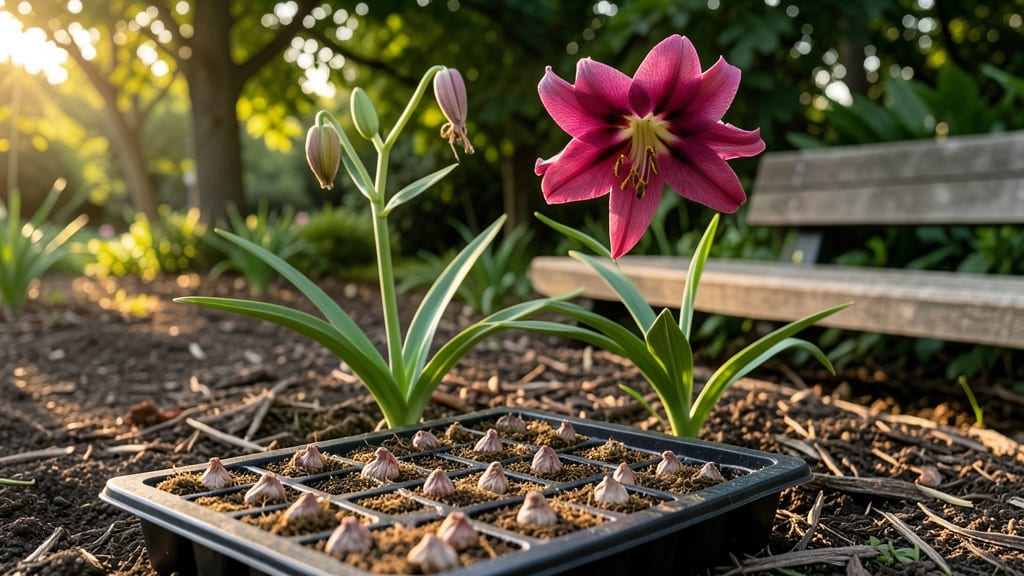
Growing lilies from flowers is easier than you think—just snip the right blooms, plop them in water, and watch roots sprout like magic. 🌱 I’ve turned wilted stems into thriving plants this way, and you can too. The secret lies in timing and patience, not fancy tools or greenhouse setups.
You’ll need just three things: a vase or jar, clean water, and a healthy lily stem with a few inches of stem left after blooming. Change the water weekly and place the setup in bright, indirect light. Within weeks, you’ll see tiny roots forming—proof you’re on the right track.
Once roots reach 2-3 inches, plant your rooted stem in well-draining soil, about 6 inches deep. Keep the soil moist but not soggy, and shield it from harsh afternoon sun. By next spring, you’ll have a lush, reblooming lily that multiplies your garden’s beauty for years.
This method works for Asiatic, Oriental, and Trumpet lilies, but avoid daylilies—they’re a different family entirely. Even if your first attempt flops, the process is forgiving. Keep trying, and soon you’ll be sharing rooted lilies with neighbors who’ll swear you’ve got a green thumb.
📚 In This Guide
- What you need
- Instructions
- Tips and common mistakes
- Wrapping up and next steps
What you need
- ● Mature lily flowers: Choose healthy blooms from Asiatic, Oriental, or Trumpet lilies (avoid daylilies—they’re not true lilies!). Pick flowers that are just starting to open for best results.
- ● Clean, room-temperature water: Use filtered or distilled water to prevent bacterial growth (1–2 cups per jar).
- ● Glass jar or vase: A clear container (8–12 oz) with a narrow neck to hold the flower stem securely.
- ● Sharp pruning shears or scissors: Sterilized to avoid introducing diseases (cut stems at a <45° angle).
- ○ Rooting hormone (optional but helpful): A gel or powder (e.g., Rootone) to encourage faster root growth.
- ● Newspaper or paper towels: To line the bottom of the jar (absorbs excess moisture and keeps water clean).
- ● Small pebbles or marbles: 2–3 pieces to weigh down the stem and keep it submerged.
- ● Spray bottle with water: For misting leaves to maintain humidity (especially in dry climates).
- ● Grow lights or sunny windowsill: Lilies need 6+ hours of indirect light daily.
- ● Notebook & pen: To track progress (root growth, water changes, etc.).
- ● A patience mindset—rooting lilies can take 4–12 weeks!
- ● Access to a warm, draft-free spot (60–75°F is ideal).
- ● A plan for transplanting once roots are 2–3 inches long (potting soil, container, and gloves).
Step-by-step guide to propagating lilies from cut flowers
Here's how to turn those spent blooms into new plants—no fancy tools needed.
🌱 Step 1: Select and Prepare the Bloom
Choose a lily that's just finished blooming but still has its stem intact. The key is working with stems that have at least 3-4 inches of healthy growth remaining. Cut the stem at a 45-degree angle about 2 inches below the flower head using clean, sharp scissors or pruners. This angled cut helps the stem absorb water more efficiently.
Remove any leaves or side buds from the stem below the flower head. You want a clean, bare stem with just the bloom at the top. This prevents rot and directs the plant's energy toward root development rather than leaf growth. I like to strip the lower stem completely—it makes the process cleaner and more effective.
💧 Step 2: Place the Stem in Water
Fill a clear glass or vase with room-temperature water, leaving at least 2 inches of stem submerged. The water should cover the cut end completely. I use a clear container so I can watch the roots develop—it's oddly satisfying to see them grow! Change the water every 3-4 days to prevent bacterial growth and keep it fresh.
Place the container in a spot with bright, indirect light. Direct sunlight can overheat the water and stress the stem. A kitchen windowsill or bathroom counter works perfectly. You'll notice tiny bubbles forming along the submerged stem—this is normal and indicates the stem is absorbing water and beginning the rooting process.
☀️ Step 3: Monitor and Encourage Root Growth
Within 2-3 weeks, you should see small white roots emerging from the base of the stem. These roots will grow longer and thicker over time. Keep the water level topped off but avoid submerging the flower head—this can cause rot. If the water gets cloudy or smells funky, dump it and refill immediately. Fresh water keeps the process healthy.
Once roots reach about 2 inches in length, it's time to transition the cutting to soil. Here's the thing—don't rush this step. Wait until you have a good root system, usually around 4-6 weeks. Strong roots mean a better chance of survival when you plant. I've tried transplanting too early, and those lilies never took hold.
🪴 Step 4: Plant the Rooted Stem
Prepare a small pot with well-draining potting mix. I use a 6-inch pot for each rooted stem, filling it halfway with the mix. Make a hole in the center deep enough to accommodate the entire rooted stem. Gently place the stem in the hole, ensuring the roots are covered but the base of the flower head remains above soil level.
Fill in around the stem with more potting mix, pressing lightly to remove air pockets. Water the soil until it's evenly moist but not soggy. Place the pot in a spot with bright, indirect light for the first week to help the plant adjust. Avoid direct sunlight initially—it can scorch the delicate new growth.
🌿 Step 5: Care for New Growth
Keep the soil consistently moist but not waterlogged. You'll notice new leaves emerging from the base of the stem within 2-4 weeks. This is your signal that the plant is establishing itself. Once you see 3-4 new leaves, you can gradually introduce more sunlight, starting with 2-3 hours of morning sun and increasing over time.
After 8-12 weeks, your lily should be strong enough to transplant outdoors or into a larger container. Choose a spot with partial shade and well-draining soil. Mulch around the base to retain moisture and protect the roots. With patience, your lilies will bloom again next season—it's incredibly rewarding!
Tips & tricks for perfect lily propagation from flowers
Here's what nobody tells you about turning those wilting blooms into thriving plants.
The Stem Selection Secret: Look for stems that are still firm but starting to wilt—these have the best balance of energy for rooting. Avoid stems that are already mushy or completely dried out, as they won't develop roots. I've found that stems with a slight bend at the base (where they were attached to the plant) often root more successfully because they've already started the natural process of redirecting nutrients.
Water Quality Matters: Use filtered or distilled water if possible, as tap water can contain chlorine or minerals that inhibit root growth. If you must use tap water, let it sit out uncovered for 24 hours to allow chlorine to evaporate. I've seen some stems fail to root when placed in untreated tap water, even when everything else seemed perfect. The difference in root development is noticeable—clear water equals healthier roots.
Root Development Timeline: Those first 2-3 weeks are the most critical for root growth. Place a small mirror or reflective surface near your propagation station so you can check root progress without disturbing the stems. You'll notice roots first appear as tiny white hairs along the submerged stem—this is your cue that the process is working. Don't be tempted to transplant before you see roots at least 1 inch long, even if you're eager to see new growth.
Lighting Hack: If your space lacks bright indirect light, supplement with a simple grow light placed 6-12 inches above the stems. I use a basic LED bulb on a timer for 12 hours a day, and it makes a noticeable difference in root thickness and speed. Just avoid placing the light too close—heat from the bulb can stress the delicate stems and cause them to rot.
Pro Tips for Grow Lilies From Flowers
- Here's what nobody tells you about turning those wilting blooms into thriving plants.
- The Stem Selection Secret: Look for stems that are still firm but starting to wilt—these have the best balance of energy for rooting.
- Water Quality Matters: Use filtered or distilled water if possible, as tap water can contain chlorine or minerals that inhibit root growth.
Frequently asked questions
Got questions about growing lilies from flowers? You’re not alone—this propagation method sparks curiosity! Here are answers to the most common queries to help you succeed with confidence.
Can I grow lilies from any flower?
Not all lilies will regrow from cut flowers, but Asiatic, Oriental, and Trumpet lilies are your best bets. Avoid daylilies (they’re a different genus!) or hybrid lilies with heavy chemical treatments—they may fail to root. Choose healthy blooms with intact stems and buds for the highest success rate.
How long does it take for lilies to root in water?
Patience is key! Most lilies show roots in 2–4 weeks, but some stubborn stems may take up to 6–8 weeks. Keep the water fresh, and place your lilies in bright, indirect light. Once roots reach 2–3 inches, they’re ready for transplanting—don’t rush it!
Why aren’t my lilies growing roots?
No roots? Check these common culprits:
- Old or weak stems: Use fresh cuts with buds still attached.
- Dirty water: Change it every 3–4 days to prevent bacteria.
- Low light: Place near a window (but avoid direct sun).
- Chemical treatments: Some store-bought lilies have growth inhibitors.
When is the best time to transplant rooted lilies?
Transplant your lilies after they’ve rooted (2–3 inches) and before new growth appears—typically in early spring or late summer. Choose a spot with well-draining soil and partial shade (especially for Oriental lilies, which dislike scorching sun). Water lightly for the first week to reduce stress.
Will my lilies bloom again the first year?
Probably not! Lilies grown from flowers often take 1–2 years to mature enough for blooming. Focus on establishing strong roots and foliage first. In the meantime, enjoy their lush leaves and plan for next season’s stunning flowers—your patience will pay off!
Wrapping up and next steps
Growing lilies from flowers is a rewarding way to expand your garden with minimal effort! 🌱 With just a few simple steps—like selecting healthy blooms, rooting them in water, and transplanting with care—you can watch new shoots emerge and thrive. Embrace the process, stay patient, and soon you’ll enjoy a fresh batch of stunning lilies year after year.
Ready to take the next step? Share your new lilies with fellow gardeners or experiment with different varieties to see what grows best in your space!