
Shrubs
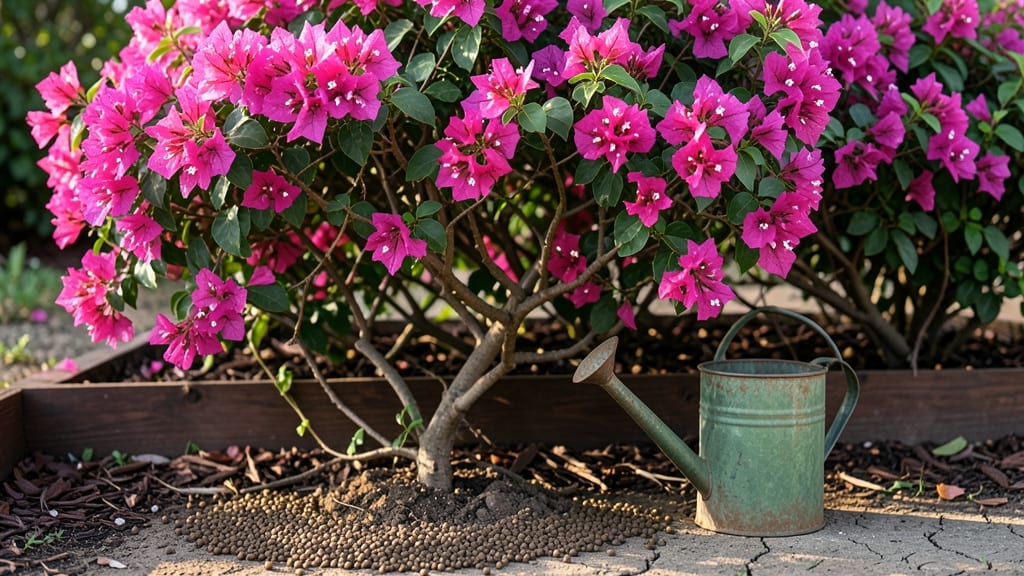
Keeping bougainvillea flowering year-round starts with understanding its pruning secrets—because these vibrant plants don’t bloom on old wood like most shrubs. 🌺 I’ve watched my bougainvillea go from sparse pink puffs to a nonstop floral explosion by mastering just three key cuts: the spring cleanup, the summer shaping, and the winter reset.
The real trick? Pruning encourages new growth, and those bright paper-like bracts (the "flowers" we love) only appear on fresh stems. Overwatering or heavy fertilizer can drown out blooms, while too little sun makes the plant stretch leggy.
My plants now produce three times more color than they did before I learned these simple rules—no fancy tools or secret fertilizers needed.
You’ll end up with a bush so lush it looks like a tropical vacation in your yard.
The blooms stay vibrant longer, the stems stay compact, and you’ll finally understand why bougainvillea is called the "queen of summer color." Ready to transform your plant from a sleepy shrub into a flowering powerhouse?
Whether you’re dealing with a small container plant or a full-size climber, these techniques adapt easily. The biggest mistake? Waiting until the plant’s already struggling to prune. Let’s fix that before your bougainvillea takes a summer nap.
📚 In This Guide
- What you need
- Instructions
- Tips and common mistakes
- Wrapping up and next steps
What you need
- ● Pruning shears – Sharp, bypass-style shears (avoid anvil types—they crush stems). Size: 6–8 inches for precision.
- ● Gloves – Heavy-duty gardening gloves (bougainvillea thorns are no joke!).
- ● Disinfectant – Rubbing alcohol (70%+) or bleach solution (1:9 ratio) to sterilize tools between cuts.
- ● Pruning saw – For thicker stems (½-inch diameter or larger).
- ● Hose or watering can – To rinse tools and clean cuts afterward.
- ○ Pruning sealant – Tree wound paint (optional for large cuts to prevent disease).
- ● Ladder or stool – If your bougainvillea is taller than 6 feet.
- ● Notebook & pen – To sketch your plant’s shape before pruning (trust us, it helps!).
- ● Fertilizer (balanced, 10-10-10 or bloom booster) – For post-pruning care (apply 4–6 weeks after trimming).
Step-by-Step pruning guide for year-round bougainvillea blooms
Here's my foolproof method for turning a single flush of flowers into a continuous, vibrant display.
✂️ Step 1: Understand the Pruning Window for Maximum Impact
Bougainvillea blooms only on new growth, so timing matters. The best time to prune is right after flowering ends—usually late winter or early spring in most climates. This ensures you're cutting back just as the plant prepares for its next growth surge. I wait until the last flowers fade completely before touching the shears.
If you prune too early, you risk removing next season's flower buds. Too late, and you miss the opportunity to encourage dense, bushy growth that produces more blooms. Look for dormant stems that feel woody but still have slight green undertones—they're ready for shaping.
🌿 Step 2: Cut Back Strategically to Encourage Dense Growth
Use clean, sharp pruners to make 45-degree cuts just above a leaf node or bud. Never cut into old, bare wood—this only encourages leggy growth. I like to cut back one-third of the plant's total height in the first pruning session, focusing on the oldest, most woody stems first.
For thick stems, make a second cut about ½ inch below the first to prevent tearing. Thin out crowded branches to improve airflow—this reduces fungal diseases that can stress the plant and cut bloom production. Aim for an open, vase-like shape that lets sunlight reach the center where most buds form.
☀️ Step 3: Provide Post-Pruning Care for Rapid Regrowth
After pruning, bougainvillea needs full sun (6+ hours daily) and consistent moisture to spur new growth. Water deeply every 2-3 days until you see fresh, vibrant green shoots emerging from the cut nodes. I fertilize with a balanced 10-10-10 formula two weeks after pruning to support vigorous regrowth.
Watch for new leaves unfurling—this is your signal that the plant is recovering. Once the new growth reaches 4-6 inches, you can lightly pinch back the tips to encourage branching. This creates a bushier plant with more sites for flower production. Avoid heavy pruning again until these new stems harden off.
⏰ Step 4: Maintain Continuous Blooms Through Seasonal Adjustments
To keep flowers coming, bougainvillea needs three key things: sunlight, pruning, and the right nutrients. Every 6-8 weeks, give the plant a light trim to remove spent blooms and encourage new ones. I also switch to a low-nitrogen, high-phosphorus fertilizer (5-10-10) during bloom seasons to promote flowering over leafy growth.
In warmer climates, bougainvillea can bloom year-round with proper care. In cooler areas, bring potted plants indoors before frost and place them near bright windows or under grow lights to maintain growth. Watch for buds forming along the stems—these are your guarantee of future blooms if you've pruned correctly.
🌱 Step 5: Winter Pruning for Next Season's Foundation
Late fall or early winter is the perfect time for a light structural pruning. Remove any dead, diseased, or crossing branches first. Then, cut back any overly long stems by one-third to maintain the plant's shape. This isn't about heavy pruning—it's about setting up next year's framework.
Reduce watering in winter as growth slows, but don't let the soil dry out completely. Mulch around the base to protect roots from temperature swings. By spring, you'll see new shoots emerging from the pruned stems, ready to burst into bloom with proper care.
Tips & tricks for perfect bougainvillea pruning
Transforming a single bloom season into year-round color requires precision—here's how to avoid common pitfalls and maximize your bougainvillea's potential.
Timing is Everything: The critical window for Step 1 pruning is when flowers fade completely—don't rush! I've seen gardeners prune too early and lose next season's buds entirely. Look for stems that feel slightly green beneath the woody exterior; these are ready for shaping. In warmer climates, this might be February, while cooler zones should wait until March or April when new growth begins.
The 45-Degree Cut Technique: Step 2's 45-degree angle cuts aren't just aesthetic—they prevent water from pooling on the wound, which can cause rot. For thicker stems, that second cut ½ inch below creates a cleaner break and reduces tearing. I always sterilize my pruners with rubbing alcohol between cuts to prevent disease spread, especially when thinning crowded branches.
Post-Pruning Recovery Signals: After your initial cuts, watch for new leaves unfurling as your plant's signal it's recovering (Step 3). This typically happens within 7-10 days with proper care. Once growth reaches 4-6 inches, pinch back the tips to encourage branching—this creates more potential bloom sites. The key is patience: avoid heavy pruning again until these new stems harden off completely.
Seasonal Fertilizer Strategy: The switch to low-nitrogen, high-phosphorus fertilizer (5-10-10) during bloom seasons (Step 4) is crucial—it redirects energy to flower production rather than leafy growth. I've found that applying this fertilizer every 6-8 weeks, combined with regular light trims, maintains continuous blooms. For potted plants, I use half-strength fertilizer to prevent salt buildup in the soil.
Pro Tips for Keep Bougainvillea Flowering
- Transforming a single bloom season into year-round color requires precision—here's how to avoid common pitfalls and maximize your bougainvillea's potential.
- Timing is Everything: The critical window for Step 1 pruning is when flowers fade completely—don't rush!
- The 45-Degree Cut Technique: Step 2's 45-degree angle cuts aren't just aesthetic—they prevent water from pooling on the wound, which can cause rot.
Frequently asked questions
Got questions about keeping your bougainvillea in full bloom?
Here are answers to the most common ones—so you can enjoy those vibrant blooms year-round!
Why isn’t my bougainvillea flowering even though I’ve pruned it?
Bougainvilleas need three key things to bloom: sunlight (6+ hours/day), stress (like pruning or drought), and proper nutrients. If you’re overwatering or fertilizing too much, it may focus on foliage instead. Try letting the soil dry slightly between waterings and use a low-nitrogen, high-phosphorus fertilizer (like 5-10-10) to encourage flowers.
How often should I prune bougainvillea to keep it flowering?
Prune lightly every 2–3 months to shape and encourage new growth (which blooms on fresh stems). Avoid heavy pruning in late fall/winter—this is its dormant period. For tropical climates, you can prune year-round, but never cut into old wood (no flowers will grow there!).
Can bougainvillea flower in winter, or is it a summer-only plant?
It depends on your climate! In warm zones (USDA 9–11), bougainvilleas can bloom year-round with minimal care. In cooler areas, they may go dormant in winter but will rebound with spring pruning. If indoors, provide bright light (south-facing window) and keep temps above 50°F (10°C) to coax blooms.
What if my bougainvillea stops flowering suddenly?
Sudden flower loss often signals stress. Check for:
- Overwatering (yellow leaves = root rot risk)
- Nutrient deficiency (pale leaves = needs fertilizer)
- Pests (aphids or spider mites sap energy)
- Too much shade (move to sunnier spot ASAP)
Are there bougainvillea varieties that flower more easily?
Yes! Some varieties are hardier and more prolific bloomers, like:
- ‘San Diego Red’ – Classic, heat-loving, and low-maintenance
- ‘Double Pink’ – Dramatic double flowers, great for containers
- ‘Thornless’ varieties – Easier to handle (e.g., ‘California Gold’)
Wrapping up and next steps
Keeping your bougainvillea in full, vibrant bloom is all about balance—sunlight, water, pruning, and a little TLC. With the right techniques, you’ll enjoy nonstop color and a thriving plant that steals the show. Start small: pick one tip to try this week, then build from there!
🌸 Next step: Grab your pruners, head outside, and give your bougainvillea the care it deserves. Watch those flowers pop like confetti! 🎉