
Planting
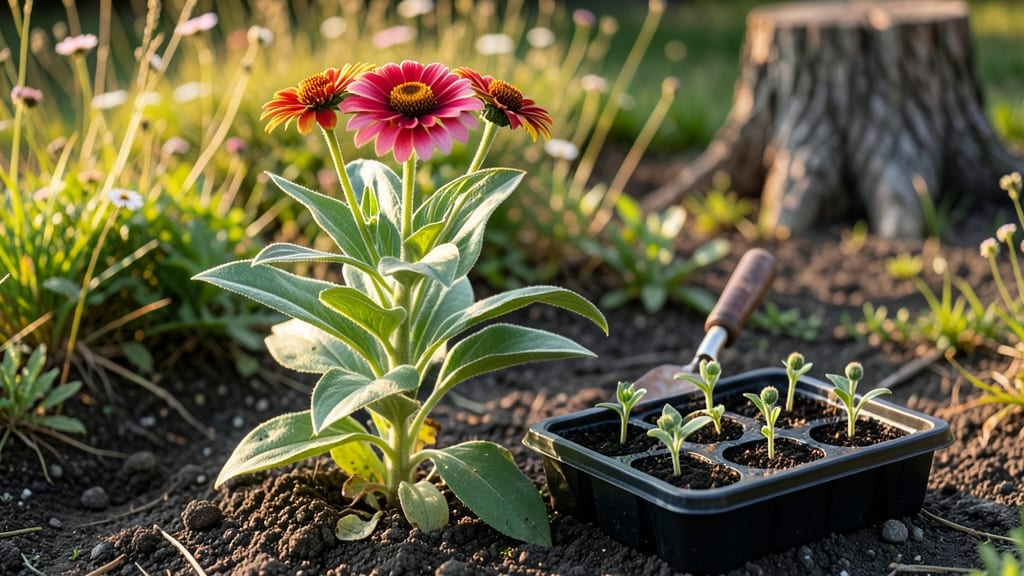
Planting a flower garden transforms a blank space into a riot of color that keeps giving all season. 🌸 I’ve started three from scratch—one in a sunny backyard, one in a shady corner, and one in containers—and each time, the key was choosing the right spot, prepping the soil, and picking plants that actually thrive together.
The first mistake I made? Skipping the soil test and assuming my yard was "good enough."
You’ll need basic tools—a trowel, gloves, and maybe a wheelbarrow for heavy soil—and a clear plan for sun exposure. Annuals like petunias and marigolds give quick color, while perennials like coneflowers and black-eyed Susans return year after year.
Spacing matters too: crowd plants and they’ll compete for water; space them too far and weeds move in. My 3-foot rule works for most perennials, but annuals can go closer.
After planting, water deeply to settle the soil, then mulch to keep moisture in and weeds out. Within weeks, you’ll see shoots pushing through, and by summer, your garden will be a buzzing, blooming oasis.
The first year is about establishing roots; the payoff comes in year two when perennials really take off. Trust the process—even my first attempt, with its uneven rows and mismatched colors, became a favorite spot by midsummer.
Want to take it further? Add companion plants like lavender to repel pests or nasturtiums to attract pollinators. The best part? Every season teaches you something new, whether it’s which flowers handle your soil best or how much sun that shady corner really gets. Let’s get those blooms growing!
📚 In This Guide
- What you need
- Instructions
- Tips and common mistakes
- Wrapping up and next steps
What you need
- ● Flower seeds or seedlings: Choose 10–20 varieties (e.g., marigolds, sunflowers, petunias, or native wildflowers) based on your climate and sunlight. Aim for 5–10 plants per square foot for a lush look.
- ● High-quality potting soil: 2–3 cubic yards (for a 10’x10’ garden). Look for a mix labeled for flowers or vegetables with added compost.
- ● Organic fertilizer: A balanced 10-10-10 or slow-release formula (e.g., fish emulsion or compost tea) to feed your plants.
- ● Mulch: 1–2 bags of shredded bark, straw, or pine needles (2–3 inches thick) to retain moisture and suppress weeds.
- ● Watering can or hose: A 5-gallon watering can with a rose attachment or a soaker hose for deep, even hydration.
- ● Gloves and knee pads: A pair of gardening gloves (cotton or nitrile) and knee pads for comfort during long planting sessions.
- ● Pruners or shears: Bypass pruners (for clean cuts) or felco pruners for precision trimming.
- ● Garden trowel: A sturdy, stainless-steel trowel for digging small holes (6–12 inches deep).
- ● Hand fork: For aerating soil or loosening roots when transplanting.
- ● Wheelbarrow: A 2–3 cubic foot model to haul soil, mulch, or tools easily.
- ● Garden hose with adjustable nozzle: For larger areas or post-planting watering.
- ● Stakes or plant markers: Wooden stakes or biodegradable labels to track plantings (especially useful for seed gardens).
- ○ Sunlight meter (optional): To test your garden’s light exposure before planting.
- ● Compost bin: If you’re starting from scratch, a small bin or tumbler to recycle kitchen scraps into nutrient-rich soil.
- ● Sunlight assessment: Identify a spot with 6+ hours of sunlight daily (adjust for shade-loving flowers like impatiens or hostas).
- ○ Soil test (optional but helpful): Check pH levels (most flowers thrive in 6.0–7.0) using a DIY test kit from a garden center.
- ● Water source nearby: Ensure your garden is within 25–50 feet of a hose or water spigot.
- ● Local plant knowledge: Research native plants or drought-resistant varieties if your area has water restrictions.
Step-by-Step instructions for planting a beginner flower garden
Here's the simple, foolproof method I've used to create vibrant flower beds that thrive year after year.
🌱 Step 1: Choose and Prepare Your Planting Site
Pick a location that gets at least 6 hours of sunlight daily—most flowering plants need full sun to bloom their best. Clear away grass, weeds, and debris from a 4-foot by 4-foot area (or larger if you want more plants). Use a garden rake to loosen the top 6 inches of soil—this helps roots spread easily.
Here's the thing—don't skip this step. Compacted soil smothers roots, and even the hardiest flowers will struggle. If your soil feels heavy or clay-like, mix in 2-3 inches of compost to improve drainage. You'll know you've done it right when the soil crumbles easily between your fingers.
☀️ Step 2: Select and Plant Your Flowers
For beginners, I recommend starting with 4-6 different flower varieties that bloom at different times. Plant tall flowers (like sunflowers or delphiniums) at the back, medium-height flowers (like zinnias or dahlias) in the middle, and low-growing flowers (like marigolds or petunias) at the front. This creates a natural, layered look.
Dig holes twice as wide as the root ball and just as deep. Gently remove plants from their pots and place them in the holes, firming soil around the base. Water deeply right after planting—this helps settle the soil and removes air pockets. You'll see the soil settle around the roots, which means they're getting the support they need.
💧 Step 3: Water and Mulch for Long-Term Success
Water your new garden deeply once a week (or more often if it's extremely hot or dry). The goal is to moisten the soil 6 inches deep—this encourages roots to grow downward instead of staying shallow. Use a hose with a gentle spray nozzle or a watering can to avoid disturbing the soil.
After watering, spread 2-3 inches of mulch over the soil surface, keeping it 2 inches away from plant stems. Mulch locks in moisture, suppresses weeds, and keeps soil temperatures stable. Organic mulches like shredded bark or straw will also break down over time, adding nutrients to the soil.
✂️ Step 4: Maintain and Enjoy Your Blooms
Once your flowers start blooming, deadhead spent flowers regularly—this means pinching off faded blooms with your fingers or pruners. Deadheading encourages more flowers to grow and keeps your garden looking tidy. You'll notice new buds forming within 2-4 weeks of consistent deadheading.
Fertilize lightly every 4-6 weeks during the growing season with a balanced, water-soluble fertilizer. Too much fertilizer can lead to lush foliage but fewer flowers. Watch for signs of over-fertilizing, like dark green leaves or rapid, weak growth. If you see these, cut back on fertilizer and focus on watering instead.
Tips & tricks for planting a thriving flower garden
Real talk: The difference between a struggling flower bed and one that bursts with color comes down to these small but mighty details. Here's what nobody tells you about making your garden truly shine.
Sunlight Strategy: That "at least 6 hours of sunlight" rule in Step 1 isn't just a suggestion—it's non-negotiable for most flowering plants. Morning sun is ideal because it gives plants time to recover from afternoon heat. If your yard only gets partial sun, choose shade-tolerant varieties like impatiens or ferns instead of sun-lovers like marigolds. I've learned this the hard way after ruining three batches of sunflowers in shady spots!
Soil Test Trick: Before amending your soil in Step 1, do this quick test: Grab a handful of damp soil and squeeze it. If it holds its shape like clay, you need more compost. If it crumbles easily, you're good to go. I always add an extra inch of compost to my garden beds—it's worth the effort for roots that can really spread and thrive. The crumbly texture test is your secret weapon for perfect planting conditions.
Planting Depth Secret: When you're digging those holes in Step 2, pay attention to the root flare—the swollen area where roots meet the stem. This should sit just above soil level after planting. Burying it too deep can cause rot, while planting too shallow exposes roots to drying out. I use a pencil to mark the correct depth on my trowel—it's a simple hack that saves so many plants.
Watering Wisdom: That "deeply once a week" guideline in Step 3 is perfect for most climates, but here's the catch: In extreme heat, you might need to water every 2-3 days instead. The key is to check soil moisture by sticking your finger 2 inches deep—if it's dry, it's time to water. I've seen gardens fail because people watered lightly every day instead of deeply less often. Roots need to grow deep, not stay shallow!
Pro Tips for Plant A Flower Garden
- Real talk: The difference between a struggling flower bed and one that bursts with color comes down to these small but mighty details.
- Sunlight Strategy: That "at least 6 hours of sunlight" rule in Step 1 isn't just a suggestion—it's non-negotiable for most flowering plants.
- Soil Test Trick: Before amending your soil in Step 1, do this quick test: Grab a handful of damp soil and squeeze it.
Frequently asked questions
Got questions about planting your dream flower garden?
Here are answers to the most common ones to help you grow with confidence!
When is the best time to plant a flower garden?
The ideal time depends on your climate! In most regions, spring (after the last frost) or early fall are best—soil is warm, and plants establish roots before extreme weather. For perennials, plant in late summer or early fall for a head start. Check your USDA Plant Hardiness Zone for local timing tips!
How often should I water my new flower garden?
Newly planted flowers need consistent moisture—water deeply 2–3 times per week (or daily in hot/dry weather) for the first month. After that, aim for 1–1.5 inches per week, either from rain or watering. Morning watering reduces evaporation and fungal risks. Mulch helps retain moisture!
What do I do if pests or diseases appear?
Don’t panic! Start with prevention: healthy soil, proper spacing, and regular checks. For pests like aphids or slugs, try neem oil, diatomaceous earth, or handpicking. Fungal issues (e.g., powdery mildew) often mean too much moisture—improve airflow and avoid overhead watering. Remove affected leaves promptly.
Can I plant flowers in containers or just in the ground?
Containers are great for small spaces, renters, or picky plants like petunias or geraniums. Use pots with drainage holes, quality potting mix, and size them appropriately (bigger = better for roots). Just ensure they get enough sunlight and water—containers dry out faster than ground soil!
How do I choose flowers that will thrive together?
Group plants by sunlight needs (full sun, partial shade, etc.) and water requirements. Pair companion plants that support each other—like marigolds (pest-repellent) with tomatoes or lavender (drought-tolerant) with rosemary. Check plant tags for height and spread to avoid overcrowding!
Wrapping up and next steps
Planting a flower garden is a rewarding journey that blends creativity with nature—you’ve got this! 🌸 By choosing the right location, selecting vibrant blooms, and following simple steps, you’ll soon enjoy a thriving garden that brings joy and beauty.
Start small, stay consistent, and don’t forget to savor the process—every seed you plant is a promise of future color and life.
Ready to take the next step? Pick your favorite flowers, grab your tools, and begin planting today! 🌱 Whether you’re adding a few pots to your patio or transforming a backyard corner, your garden will thank you—and so will your soul.