
Planting
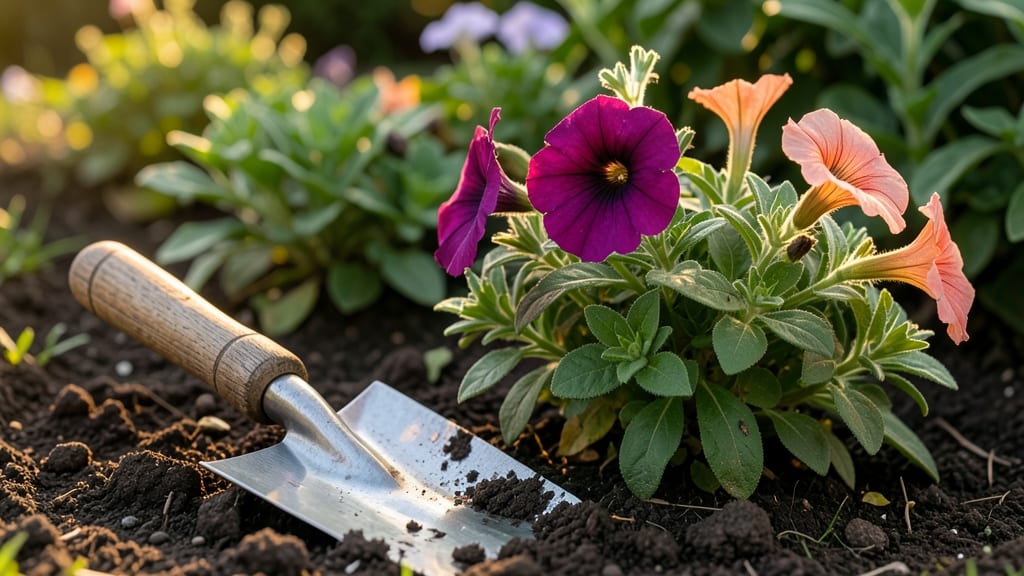
Planting petunias in flower beds turns dull corners into vibrant, sun-drenched displays that last all summer—if you follow the right steps. ✨ I’ve learned the hard way that petunias thrive when you mimic their natural habitat: well-draining soil, bright light, and consistent moisture.
The key isn’t just dropping them in the ground; it’s preparing the bed so they spread like a living carpet of color without fighting for space or nutrients.
Start with loose, fertile soil mixed with compost—petunias hate soggy roots. Space them 12-18 inches apart for trailing varieties (they’ll spill over like confetti) or 10-12 inches for bush types. Plant them shallow—just enough to cover the roots—and water deeply right after.
Most gardeners overcrowd them or plant too deep, which stunts growth or invites disease. I’ve seen petunias planted this way bloom for three months straight with minimal care.
Once established, petunias are drought-tolerant but not drought-loving—water when the top inch of soil feels dry, and deadhead spent blooms weekly to encourage more flowers. The payoff? A flower bed that looks like it belongs in a magazine, not your backyard.
With the right prep, these plants practically take care of themselves, rewarding you with nonstop blooms from early summer until frost.
Works for sunbathing flower beds, container spills, or even hanging baskets—just adjust spacing. The secret? Treat them like the low-maintenance superstars they are. Let’s get those petunias planted so you can enjoy the show all season long.
📚 In This Guide
- What you need
- Instructions
- Tips and common mistakes
- Wrapping up and next steps
What you need
- ● Petunia plants: Choose between seedlings (transplanted) or seeds (for a DIY challenge). Aim for 5–10 plants per square foot for a lush look.
- ● High-quality potting soil: 1–2 bags (or enough to fill your flower bed to a depth of 6–12 inches). Opt for a mix with good drainage and organic matter.
- ● Compost or slow-release fertilizer: 1–2 cups per plant (or follow package instructions). Look for a balanced 10-10-10 or 20-20-20 NPK ratio.
- ● Mulch: 1–2 bags of organic mulch (like shredded bark or straw) to retain moisture and suppress weeds.
- ● Garden trowel or hand shovel (for digging holes).
- ● Garden gloves (to protect your hands from thorns or soil).
- ● Watering can or hose with a gentle spray nozzle (for even watering).
- ● Measuring tape or ruler (to space plants 12–18 inches apart).
- ○ Pruning shears (optional, for trimming dead leaves or shaping plants later).
- ● A sunny location with at least 6–8 hours of direct sunlight daily.
- ● A well-draining flower bed (avoid soggy soil—petunias hate wet feet!).
- ● Time of year: Plant after the last frost (typically late spring) for best results.
- ○ Optional but helpful: A stake or cage for trailing petunia varieties.
- ● Slow-release fertilizer spikes for hassle-free feeding.
- ● Epsom salt (magnesium sulfate) to boost blooms (mix 1 tbsp per gallon of water every 2–3 weeks).
Step-by-step instructions for planting petunias in flower beds
Here's how I transform ordinary flower beds into vibrant, low-maintenance displays with petunias.
🌱 Step 1: Choose the Perfect Planting Time and Location
Petunias thrive in warm weather, so wait until after your last frost date when soil temperatures reach at least 60°F. I always check the forecast for a week of settled weather—these plants hate being transplanted when temperatures fluctuate. The ideal spot gets 6-8 hours of direct sun daily, though they'll tolerate partial shade if afternoon sun is intense.
Here's the thing—petunias grow best in well-draining soil with a slightly acidic to neutral pH. If your flower bed soil feels heavy or compacted, mix in 2-3 inches of compost when preparing the area. Work it into the top 6 inches of soil to improve drainage without disturbing deeper layers. A simple scratch test tells you what to expect: if soil clumps tightly when dry, it needs amending.
🪴 Step 2: Prepare the Flower Bed for Planting
Start by removing any weeds or grass from the planting area, then loosen the soil with a garden fork to a depth of 8-10 inches. This prevents root competition and lets petunia roots spread easily. I like to create small planting holes that are just slightly larger than the root balls—about 2 inches wider all around—so roots aren't cramped but also don't spread too far from the plant.
Space your petunias 12-18 inches apart for trailing varieties and 10-12 inches apart for bush types. Here's where it gets fun: arrange them in odd-numbered groupings (3, 5, or 7 plants) for natural-looking clusters. The key is to step back every few plants and check the visual balance—petunias grow fast, so what looks spaced now will fill in quickly.
💧 Step 3: Plant Petunias and Water Thoroughly
Gently remove each petunia from its container and tease apart the roots if they're circling tightly. Place the plant in its hole so the top of the root ball sits just below soil level—this prevents rot while encouraging strong root growth. Fill the hole with soil and press lightly around the base to eliminate air pockets.
Water immediately after planting to settle the soil and encourage root contact. Use a gentle stream from a watering can or hose with a soft spray nozzle—you want to moisten the soil to a depth of 6 inches without disturbing the plants. I like to water until the soil feels damp 2-3 inches down, which usually takes about 1-2 gallons per plant depending on your soil type. Mulch with 1-2 inches of shredded bark or pine needles to retain moisture and suppress weeds.
☀️ Step 4: Maintain for Continuous Blooms
Petunias need consistent moisture to keep blooming, so water deeply 2-3 times per week during dry spells. The best way to check is by sticking your finger 1-2 inches into the soil—if it feels dry, it's time to water. Avoid wetting the leaves when possible, as this encourages fungal diseases. Early morning watering gives foliage time to dry before evening humidity sets in.
Deadhead spent blooms regularly by pinching off the faded flowers just above the next set of leaves. This simple step redirects the plant's energy into producing more flowers instead of seed pods. I like to do this every 3-4 days during peak bloom—it takes about 5 minutes per plant but makes a huge difference in overall production. If you notice leaves yellowing, it's often a sign of overwatering or poor drainage, so adjust your care routine accordingly.
Tips & tricks for perfect petunia planting
Transforming your flower beds into vibrant displays doesn't have to be complicated—these simple tricks ensure your petunias thrive with minimal effort.
Soil Preparation Secret: Before amending your soil with compost, perform the scratch test: dig a small hole, fill it with water, and check how quickly it drains. If water lingers for more than 15 minutes, you need additional compost or sand to improve drainage. This prevents root rot while ensuring your petunias get the well-draining environment they crave.
Planting Depth Matters: When placing petunias in their holes, the top of the root ball should sit just below soil level—not above it. This subtle adjustment prevents stem rot while encouraging strong root growth. I've seen beginners bury the stems too deep, which leads to weak plants and fewer blooms.
Watering Wisdom: The 2-3 inches deep watering recommendation isn't just about quantity—it's about consistency. Use a moisture meter or your finger to check soil dampness at that depth before each watering. Sandy soils may need more frequent watering, while clay soils can go slightly longer between sessions. This tailored approach prevents both underwatering and overwatering.
Deadheading Technique: When deadheading every 3-4 days, use clean pruning shears or your fingers to pinch off spent blooms just above the next set of leaves. This redirects energy to new flowers rather than seed production. I've noticed that plants deadheaded in the morning produce more blooms by evening—timing matters!
Pro Tips for Plant Petunias In Flower Beds
- Transforming your flower beds into vibrant displays doesn't have to be complicated—these simple tricks ensure your petunias thrive with minimal effort.
- Soil Preparation Secret: Before amending your soil with compost, perform the scratch test: dig a small hole, fill it with water, and check how quickly it drains.
- Planting Depth Matters: When placing petunias in their holes, the top of the root ball should sit just below soil level—not above it.
Frequently asked questions
Got questions about planting petunias? You’re not alone—these vibrant bloomers spark curiosity! Below, we tackle the most common concerns to help you grow petunias like a pro.
When is the best time to plant petunias in my region?
Petunias thrive in warm soil, so aim for after the last frost in spring (typically May-June in most U.S. zones 9–11). For cooler climates (zones 3–8), start seeds indoors 8–10 weeks before the last frost or buy transplants from nurseries. Pro tip: If planting in summer, choose heat-tolerant varieties like 'Supertunia' or 'Wave' to avoid wilting.
How often should I water petunias in flower beds?
Keep soil consistently moist but not soggy—water deeply 2–3 times per week during hot, dry spells (more in containers). Early morning watering prevents fungal diseases. Watch for: Drooping leaves (underwatering) or yellowing (overwatering). Mulch around plants to retain moisture.
What pests or diseases should I watch for with petunias?
Common culprits include aphids, spider mites, and whiteflies (spray with neem oil if severe). Fungal issues like powdery mildew thrive in humid conditions—improve airflow by spacing plants 12–18 inches apart. Preventative tip: Remove spent blooms and avoid overhead watering.
Can I plant petunias with other flowers?
Petunias pair beautifully with salvias, marigolds, or impatiens for color contrast. Avoid planting with tomatoes or potatoes (they share pests). For height variation, tuck them near tall grasses or shrubs at the front of beds. Design hack: Use trailing varieties like 'Tumbling Petunia' in hanging baskets or window boxes.
Why aren’t my petunias blooming as much as expected?
Overly lush foliage with few flowers? Deadhead spent blooms regularly to encourage more blooms. Also check for:
- Too much shade (they need 6+ hours of sun daily).
- Over-fertilizing with high-nitrogen feed (use balanced 10-10-10 or bloom-boosting 5-10-10).
- Underwatering or poor drainage (roots need consistent moisture).
Wrapping up and next steps
Planting petunias in your flower beds is a joyful and rewarding way to bring vibrant color to your garden with minimal effort! Remember, these cheerful bloomers thrive in sunny spots, well-draining soil, and regular (but not excessive) watering.
With the right spacing and a little TLC, you’ll enjoy season-long beauty that turns heads and lifts spirits.
Now that you’re armed with the know-how, roll up your sleeves and pick a sunny weekend to transform your space! Next up: Explore creative ways to combine petunias with other plants for a showstopping garden display. Happy planting! 🌸✨