
Flowers
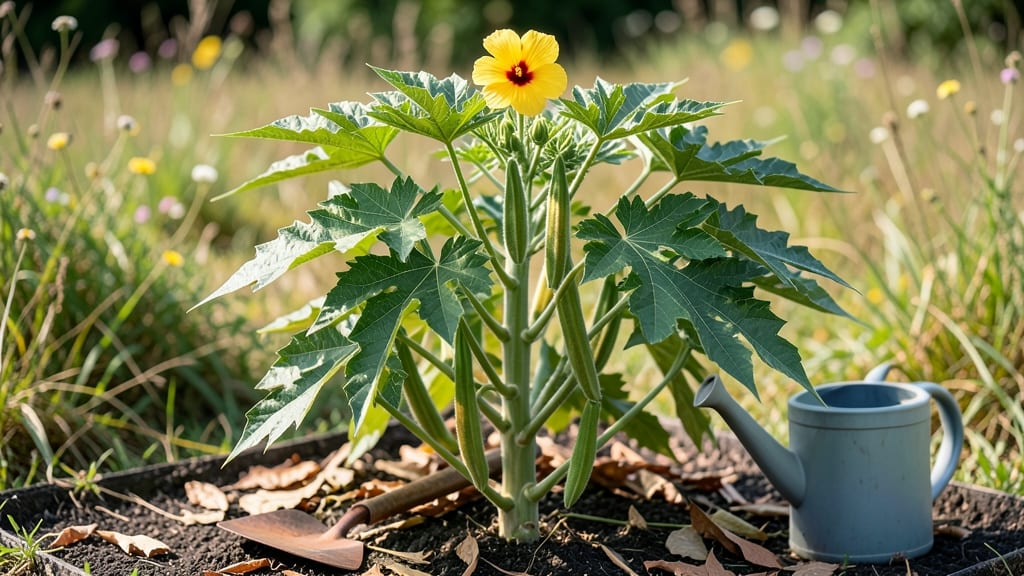
Growing lady fingers flower (Cleome hassleriana) means transforming your garden into a vertical explosion of delicate blooms and airy seed pods. 🌿 I fell for this drought-tolerant perennial the first time I saw it swaying in a summer breeze—its spiky, lacy flowers and dramatic seed heads add texture no other plant can match.
The best part? It thrives on neglect, making it perfect for busy gardeners or dry climates where water is precious.
This plant demands very little beyond full sun and well-draining soil, yet it rewards you with year-round interest—even the dried seed pods hold charm through winter. Start with seeds in spring after the last frost, or transplant young plants into soil amended with compost.
Water deeply but infrequently, as lady fingers despise soggy roots. Within 6-8 weeks, you’ll see those signature clusters of white, pink, or purple blooms shooting up toward the sky.
What makes this flower truly special is its versatility—it performs equally well in borders, containers, or as a focal point in cottage gardens. Deadhead spent blooms to encourage more flowers, but leave some seed pods for winter texture.
Pests rarely bother it, and deer tend to avoid its slightly bitter foliage. With minimal effort, you’ll have a plant that blooms from early summer until frost, then stands tall as a winter ornamental.
Once established, lady fingers is nearly indestructible, spreading modestly each year. If you love low-maintenance plants with high-impact beauty, this is the one to try. Let’s get those seeds in the ground—your garden’s vertical drama awaits!
📚 In This Guide
- What you need
- Instructions
- Tips and common mistakes
- Wrapping up and next steps
What you need
- ● Lady fingers flower bulbs: 3–5 bulbs (depending on desired coverage; spacing 8–12 inches apart). Choose healthy, firm bulbs with no soft spots.
- ○ Well-draining soil: Mix 60% native soil with 40% compost or perlite for optimal aeration. Optional: Add a handful of bone meal for phosphorus (boosts root growth).
- ● Sunlight access: Full sun to partial shade (6+ hours of sunlight daily for best blooms).
- ● Watering can or hose: With a gentle spray nozzle for hydration without damaging delicate foliage.
- ○ Mulch (optional but recommended): 2–3 inches of organic mulch (e.g., straw or shredded bark) to retain moisture and suppress weeds.
- ● Pruning shears: Sharp, clean shears for trimming spent blooms (encourages reblooming).
- ○ Garden gloves (optional): To protect hands from soil and thorns (some varieties have mild prickles).
- ● Climate: Hardy in USDA Zones 7–10. Pro tip: 🌡️ In colder zones, plant bulbs in fall for winter dormancy.
- ● Watering routine: Water deeply 1–2 times per week (adjust for drought). Avoid soggy soil—lady fingers hate waterlogged roots!
- ○ Patience: Bulbs may take 1–2 years to establish and bloom fully. Optional: Fertilize lightly in spring with a balanced 10-10-10 formula for faster growth.
How to grow lady fingers flower for stunning, low-maintenance color
This drought-tolerant beauty thrives with minimal fuss—just follow these simple steps.
🌱 Step 1: Choose the Perfect Planting Spot
Lady fingers flower (Digitalis purpurea) loves full sun to partial shade—at least 4-6 hours of direct sunlight daily. I always pick a location with well-draining soil because soggy roots will rot the plant quickly. If your soil drains poorly, mix in 1-2 inches of coarse sand or perlite to improve airflow.
Check the area’s moisture by digging a 6-inch hole—if water pools after 30 minutes, amend the soil first. A slightly elevated spot helps prevent waterlogging. This plant spreads gently, so give it 18-24 inches of space between clusters to avoid overcrowding later.
🌿 Step 2: Plant Seeds or Transplants at the Right Time
For seeds, sow in early spring (after the last frost) or late summer—they germinate best in 60-70°F soil. Scatter seeds ¼ inch deep and space them 12 inches apart (they self-seed easily, so don’t overplant). Press lightly into the soil and water gently to avoid displacing them.
If using transplants, dig a hole twice as wide as the root ball and same depth. Place the plant in, backfill with soil, and water deeply. Mulch with 1-2 inches of organic mulch (like shredded bark) to retain moisture and suppress weeds. Avoid mulching too close to the stem—keep it 2 inches away to prevent rot.
☀️ Step 3: Water and Fertilize for Long-Lasting Blooms
Once established, lady fingers flower is drought-tolerant, but young plants need 1 inch of water per week during the first growing season. Water at the base of the plant (not overhead) to keep foliage dry—this prevents fungal diseases like powdery mildew. Let the top inch of soil dry out between waterings to encourage deep root growth.
Fertilize lightly in early spring with a balanced 10-10-10 fertilizer (use ½ teaspoon per plant). Over-fertilizing leads to lush foliage but fewer flowers. After blooming, trim spent flower spikes to 6 inches above the base—this redirects energy into next year’s growth. Deadhead faded blooms regularly to keep the plant tidy and encourage more flowers.
✂️ Step 4: Prune and Maintain for Year-Round Color
In late summer, cut back one-third of the plant’s height to rejuvenate growth. This promotes bushier, more compact plants with vibrant blooms. Use clean, sharp pruners to avoid tearing stems—always make cuts at a 45-degree angle just above a leaf node.
Watch for yellowing leaves—this usually means overwatering or poor drainage. If you see black spots, remove affected leaves immediately and improve airflow around the plant. Lady fingers flower is generally pest-resistant, but aphids may appear. Spray with neem oil if needed, but most plants handle pests without intervention.
⏰ Step 5: Overwinter for Next Year’s Blooms
This perennial handles light frosts once established, but mulch heavily (3-4 inches) in late fall to protect roots in colder climates. In USDA zones 5-8, the plant may die back to the ground but regrows in spring. In zones 9-10, it often blooms year-round with minimal care.
If your winters are harsh (below 20°F), cover the base with straw or burlap for extra insulation. In spring, remove old mulch and trim back any dead growth. You’ll see fresh shoots emerge within 3-4 weeks—a sure sign it’s ready for another season of color.
Tips & tricks for perfect lady fingers flower growth
These simple tricks will help your lady fingers flower thrive with minimal effort and maximum impact.
Sunlight Strategy: While the 4-6 hours of sunlight in Step 1 is ideal, I've found that morning sun (before 10 AM) is even better—it prevents afternoon heat stress, especially in hotter climates. If your garden gets intense afternoon sun, consider partial shade from nearby shrubs for the hottest hours. The plant's vibrant blooms will thank you!
Soil Test Hack: Before planting, I recommend doing a quick soil test using a simple pH strip (available at garden centers). Lady fingers flower prefers slightly acidic to neutral soil (pH 6.0-7.0). If your test shows pH below 6.0, mix in a handful of crushed limestone when amending the soil—this prevents nutrient deficiencies that can cause weak growth. The 6-inch hole moisture test in Step 1 is your first clue if you need to amend.
Seasonal Planting Timing: For seeds, I've had the most success with late summer planting in zones 7-10—this gives seedlings time to establish roots before winter. In cooler zones (5-6), stick to early spring planting after frost danger passes. The 60-70°F soil temperature range in Step 2 is crucial for germination, so check soil temps with a thermometer if you're unsure about your local climate.
Watering Wisdom: The 1 inch per week watering guideline in Step 3 works perfectly, but I've learned to adjust based on rainfall. After a heavy rain, skip watering entirely—soggy soil is the plant's biggest enemy. For container growing, I use self-watering pots with drainage holes to maintain consistent moisture without overwatering. The top inch of soil drying between waterings is your best indicator of when to water again.
Pro Tips for Lady Fingers Flower
- These simple tricks will help your lady fingers flower thrive with minimal effort and maximum impact.
- Sunlight Strategy: While the 4-6 hours of sunlight in Step 1 is ideal, I've found that morning sun (before 10 AM) is even better—it prevents afternoon heat stress, especially in hotter climates.
- Soil Test Hack: Before planting, I recommend doing a quick soil test using a simple pH strip (available at garden centers).
Frequently asked questions
Got questions about growing and caring for Dianthus caryophyllus (commonly called lady fingers flower)?
Here are answers to the most common queries to help you cultivate this charming, drought-tolerant beauty with ease!
How do I encourage lady fingers flowers to bloom year-round?
Prune spent blooms regularly to stimulate new growth . Ensure they get 6-8 hours of sunlight daily and well-draining soil. In cooler climates, mulch lightly in winter to protect roots. Avoid over-fertilizing—too much nitrogen can reduce flowering.
How often should I water lady fingers flowers?
Water deeply but infrequently—once a week is ideal unless your region experiences extreme heat. These drought-tolerant plants prefer dry soil between waterings. Overwatering can lead to root rot, so always check soil moisture before watering.
Are lady fingers flowers prone to pests or diseases?
They’re generally resilient, but watch for aphids, spider mites, or powdery mildew. Spray with neem oil for pests or improve airflow to prevent mildew. Ensure proper spacing (12-18 inches apart) to reduce humidity-related issues.
Can I grow lady fingers flowers in containers?
Use pots with drainage holes and a fast-draining mix (like cactus/succulent soil). Choose compact varieties like Dianthus ‘Firewitch’. Containers dry out faster, so monitor soil moisture closely and fertilize lightly every 4-6 weeks.
Do lady fingers flowers survive winter?
In USDA zones 5-9, they’re perennial and hardy to 10°F (-12°C). In colder zones, mulch heavily or grow them as annuals. If frost threatens, protect young plants with burlap or move containers to a sheltered spot.
What’s the best way to propagate lady fingers flowers?
Divide mature clumps in early spring or take stem cuttings in summer. Dip cuttings in rooting hormone and plant in moist soil. Keep them lightly shaded until roots establish (about 4-6 weeks).
Wrapping up and next steps
The lady fingers flower is a stunning, low-maintenance perennial that brings vibrant color to your garden with minimal effort—perfect for busy gardeners or those in dry climates! 🌸 With its drought tolerance and year-round blooms, it’s an easy way to add beauty without the fuss.
Whether you’re a beginner or a seasoned gardener, this resilient plant rewards you with cheerful flowers and effortless charm.
Ready to transform your outdoor space? Start small—plant a few lady fingers flowers in a sunny spot, and watch your garden thrive with color and life! 🌱