
Shrubs
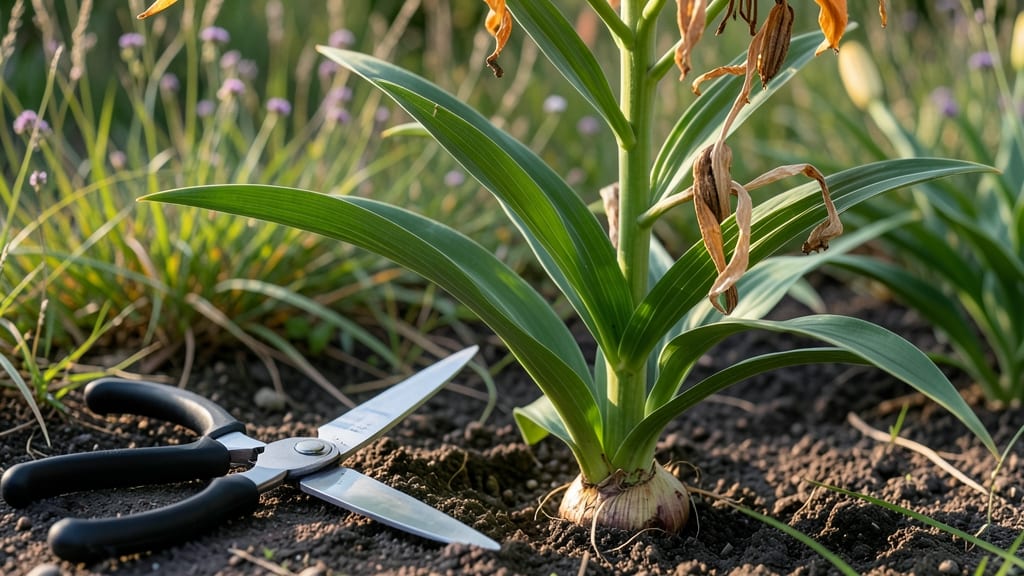
Proper lily care after flowering is your secret weapon for turning last season’s showstoppers into next year’s lush, blooming giants—so don’t skip it. 🌿 I’ve learned the hard way that skipping this step means fewer blooms next season—and nobody wants that.
The key is knowing exactly when to trim, how to feed, and when to let those leaves die back naturally.
Most people rush to cut everything back, but that’s a mistake. Let the foliage stay until it yellows completely—this is how the bulb stores energy for next year’s flowers.
You’ll need basic tools like pruners, a balanced fertilizer, and maybe a mulch blanket for winter protection, depending on your climate. It’s simpler than it sounds.
By following these steps, you’ll wake up to fresh green shoots in spring instead of struggling with weak growth. The secret’s in the timing: prune spent blooms but leave the leaves, water less as summer heats up, and give them a final feeding in early fall.
Your lilies will thank you with bigger, brighter blooms next season.
Works for both hardy Asiatic lilies and tropical varieties—just adjust the winter care. Let’s get those plants ready for their next showstopping performance.
📚 In This Guide
- What you need
- Instructions
- Tips and common mistakes
- Wrapping up and next steps
What you need
- ● Pruning shears or sharp bypass pruners – Choose sterilized, sharp tools (avoid dull blades to prevent crushing stems). Recommended: Felco F-2 or similar.
- ● Garden gloves – Heavy-duty nitrile or leather gloves to protect against thorns and soil-borne pathogens.
- ● Compost or well-aged manure – 2–3 gallons per plant (avoid fresh manure—it can burn roots!).
- ● Balanced, slow-release fertilizer (10-10-10 or 20-20-20) – 1–2 tablespoons per plant (follow label instructions).
- ● Mulch (straw, shredded bark, or pine needles) – 2–3 inches deep to retain moisture and regulate soil temperature.
- ● Hose with adjustable nozzle or watering can – For deep watering (1–2 inches per week, depending on climate).
- ● Disinfectant (rubbing alcohol or bleach solution) – 1 part bleach to 9 parts water to sterilize tools between cuts.
- ○ Plant support (optional but helpful for tall varieties) – Stakes or rings if your lilies lean heavily (e.g., Asiatic or Oriental hybrids).
- ● Epsom salt (magnesium sulfate) – 1 tablespoon dissolved in a gallon of water for a foliar spray (boosts blooms!).
- ● Fungicide (copper-based or neem oil) – If your area is prone to botrytis blight or fungal diseases.
- ● Soil test kit – To check pH and nutrient levels (ideal range: 6.1–7.5 for most lilies).
- ● Compost tea or liquid seaweed fertilizer – For an extra nutrient boost post-flowering.
Step-by-Step guide to reviving lilies after blooming
Here’s how to keep your lilies thriving year after year—no guesswork, just proven aftercare.
✂️ Step 1: Deadhead and Prune Properly
Once the blooms fade completely, snip the spent flower stalks down to the nearest leaf node with clean, sharp pruners. This redirects the plant’s energy from seed production to root and foliage growth for next season. Avoid cutting too close to the leaves—leave at least 1 inch of stem above the leaf to prevent damage.
I like to make the cut at a 45-degree angle just above a leaf or bud. This small detail prevents water from pooling on the cut surface, which could rot the stem. Wear gloves—lily sap can irritate skin. After pruning, toss the spent blooms in the compost pile (unless they show signs of disease, in which case discard them).
🌿 Step 2: Fertilize and Hydrate for Recovery
After pruning, feed your lilies with a balanced, slow-release fertilizer (10-10-10 works well) mixed into the soil around the base. This gives them the nutrients they need to rebuild strength for next year’s blooms. Water deeply right after fertilizing to help the granules dissolve and reach the roots.
Keep the soil consistently moist but not soggy for the next 4-6 weeks. You’ll know it’s right when the top 2 inches of soil feel damp to the touch. Overwatering now can lead to bulb rot, while underwatering stresses the plant. Mulch with 2-3 inches of organic matter (like shredded leaves or straw) to retain moisture and regulate soil temperature.
☀️ Step 3: Monitor Light and Prepare for Dormancy
Lilies need full sun to store energy for next season, but their foliage must stay green until it yellows naturally. If your lilies are in partial shade, consider moving them to a sunnier spot now. Watch for leaves that turn yellow prematurely—this can signal underwatering or nutrient deficiency.
As fall approaches, reduce watering gradually. Once the leaves turn completely yellow and crispy, you can cut them back to 1-2 inches above the ground. This signals the plant to focus on bulb development. Stop fertilizing entirely at this point—too much nitrogen late in the season encourages weak growth.
⏰ Step 4: Winter Protection and Spring Prep
In colder climates, add a 4-6 inch layer of mulch (like straw or shredded bark) around the base to insulate the bulbs. This protects them from freezing temperatures and keeps the soil from heaving during freeze-thaw cycles. In milder areas, a light mulch still helps retain moisture.
Come spring, remove the mulch and check for signs of new shoots. If the ground hasn’t thawed completely, wait before disturbing the soil—lilies hate wet, cold roots. Once you see green shoots, resume regular watering and fertilizing. This is when your lilies will reward you with the strongest blooms yet.
Tips & tricks for reviving lilies after blooming
Here's what nobody tells you about keeping your lilies healthy and ready to bloom again next year.
Pruning Precision: When you're deadheading in Step 1, make sure your pruners are clean and sharp—dull blades can crush stems and invite disease. I also recommend sterilizing them with rubbing alcohol between cuts on different plants. This is especially important if you've noticed any signs of disease in your garden, as lilies can be susceptible to fungal infections after blooming.
Fertilizer Timing: The 4-6 week window after pruning is critical for nutrient absorption in Step 2. I've found that applying fertilizer right after watering helps prevent root burn. For an extra boost, you can lightly scratch the soil surface with your fingers to create tiny channels that help the granules reach the roots more effectively. This is particularly helpful in heavy clay soils where water can pool.
Light Monitoring: In Step 3, if you notice your lilies' leaves turning yellow before they're ready, it's often a sign of underwatering or nutrient deficiency. I've learned to check the soil moisture by feeling it—it should be damp but not wet. If your lilies are in containers, you might need to water more frequently as potted plants dry out faster than those in garden beds.
Winter Protection: For Step 4, the mulch thickness matters more than you might think. In colder climates, that 4-6 inch layer can make the difference between frozen bulbs and healthy ones ready to bloom again. I like to use straw because it breaks down slowly and adds organic matter to the soil as it decomposes. Just be sure to remove it in early spring before new shoots appear.
Pro Tips for Lily Care After Flowering
- Here's what nobody tells you about keeping your lilies healthy and ready to bloom again next year.
- Pruning Precision: When you're deadheading in Step 1, make sure your pruners are clean and sharp—dull blades can crush stems and invite disease.
- Fertilizer Timing: The 4-6 week window after pruning is critical for nutrient absorption in Step 2.
Frequently asked questions
Got questions about keeping your lilies thriving after their stunning display? Here are answers to the most common concerns—so you can enjoy those showstopping blooms year after year!
When should I cut back lilies after flowering?
Wait until the foliage yellows and dies back naturally (usually 6–8 weeks after blooms fade). Cutting too soon removes nutrients the plant needs to store for next season. For hardy lilies (like Asiatics or Trumpets), trim stems to the ground in early fall.
Do I need to cut the flower stalks or leave them?
Remove spent flower stalks (but leave the leaves!) to redirect energy to the bulbs. Snip them at the base with clean pruners. Pro tip: Deadheading prevents seed formation, which can weaken the plant over time.
Should I fertilize lilies after they bloom?
Yes! Apply a balanced, low-nitrogen fertilizer (like 10-10-10) in early fall to replenish nutrients. Avoid high-nitrogen feeds—it encourages leaf growth but harms bulb storage. Water lightly after fertilizing.
My lily leaves are turning brown—is it dying?
Brown leaves can mean overwatering, disease (like botrytis), or bulb rot. Check for mushy bulbs or mold. If healthy, just trim dead foliage; new growth will emerge next spring. Fix it: Improve drainage and avoid wetting leaves when watering.
Can I divide my lilies after flowering?
Divide only after foliage yellows (late summer/early fall). Gently dig up bulbs, separate offsets, and replant 6–8 inches deep. Warning: Wait 2–3 years for mature lilies—they need time to establish before dividing.
Wrapping up and next steps
Caring for your lilies after they’ve bloomed doesn’t have to be complicated—just a little patience and the right steps can set you up for stunning flowers next season! 🌸 By pruning spent blooms, fertilizing wisely, and protecting your plants from pests, you’re giving them the best chance to thrive.
Think of it as a rewarding ritual—soon, you’ll be admiring those vibrant blooms again, knowing you played a key role in their comeback.
Ready to take the next step? Grab your pruners, check your soil, and give your lilies the TLC they deserve. Start planning your post-flowering care today—your future blooms will thank you!