
Aphids
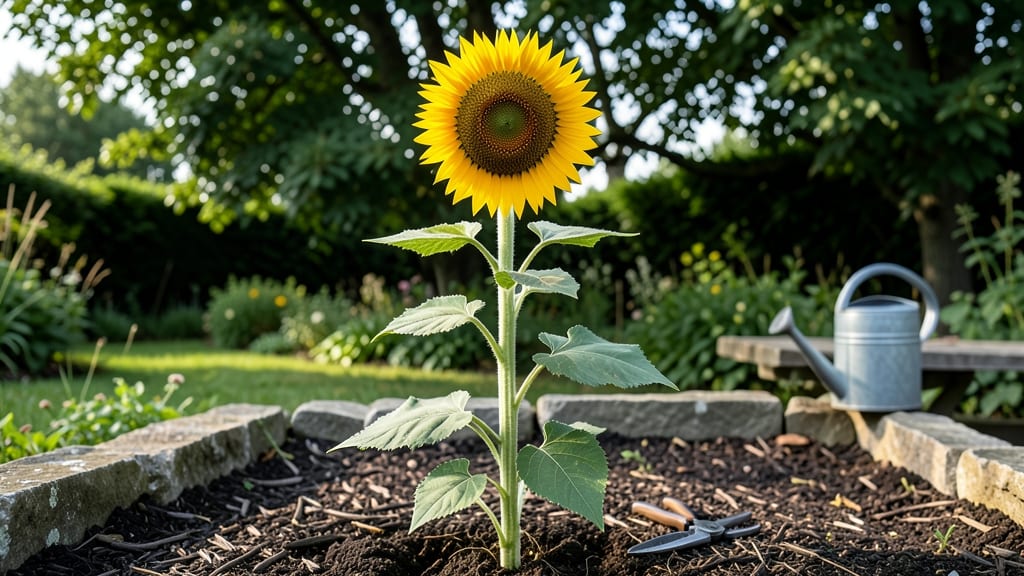
Caring for sunflowers means turning a handful of seeds into 10-foot giants that outshine everything else in the garden. 🌻 I learned the hard way that aphids won’t be a problem if you start with the right soil mix, spacing, and a few strategic tricks—like the "aphid-proof" companion planting I’ll share later.
The secret isn’t complicated, but skipping steps leads to floppy stems and half-sized blooms.
You’ll need full sun (6+ hours daily), well-draining soil, and a 3-foot spacing between plants to prevent crowding. Most people overwater sunflowers, which causes root rot—stick to 1-2 inches per week once they’re established. A balanced fertilizer at planting and a mid-season boost keeps them growing strong without flopping over.
By summer’s end, you’ll have bold, disease-resistant blooms that attract bees and deter pests naturally. The stems stay sturdy, the petals stay vibrant, and you’ll harvest seeds for next year’s garden. Even beginners get foolproof results with this approach—no green thumb required.
Works for all sunflower varieties, from dwarf types for containers to mammoth giants for cutting gardens. Let’s get those seeds in the ground!
📚 In This Guide
- What you need
- Instructions
- Tips and common mistakes
- Wrapping up and next steps
What you need
- ● Sunflower seeds (aphid-resistant varieties like ‘Mammoth’, ‘Autumn Beauty’, or ‘Russian Giant’—check seed packets for aphid-resistant labels). Quantity: 10–20 seeds per plant (or pre-started seedlings if preferred).
- ● Well-draining potting mix (or garden soil amended with compost—aim for a pH of 6.0–7.5). Quantity: 1–2 gallons per seedling (or enough to fill containers 6+ inches deep).
- ● Containers or garden bed: Containers: 5–7 gallon pots with drainage holes (1 per plant).
- ● Garden bed: Full sun (6+ hours daily) and space 12–24 inches apart (depending on variety).
- ● Watering can or hose with a gentle spray nozzle (to avoid damaging seedlings).
- ● Organic aphid deterrents (preventative measures): Neem oil (1 tsp per quart of water + dish soap as an emulsifier).
- ● Insecticidal soap (for spot treatments).
- ● Ladybugs or lacewings (natural predators—release 50–100 per plant if infestation occurs).
- ● Balanced fertilizer (5-10-10 or low-nitrogen option like 3-4-6). Quantity: 1 tbsp per plant at planting, then monthly.
- ● Mulch (straw or shredded leaves) to retain moisture and deter pests. Quantity: 2–3 inches around the base.
- ● Grow lights (if starting indoors—12–16 hours of light daily).
- ● Copper tape (wrap around pots to repel slugs/snails).
- ● Plant supports (stakes or cages for tall varieties like ‘Russian Giant’).
- ● Diatomaceous earth (food-grade, for crawling pests—reapply after rain).
- ● Companion plants like marigolds or basil to naturally repel aphids.
Step-by-step guide to growing aphid-resistant sunflowers
Here's how to nurture sunflowers that reach their full height while warding off pests naturally.
🌱 Step 1: Select and Prepare Your Sunflower Varieties
Choose aphid-resistant varieties like 'Moulin Rouge' or 'Russian Giant'—their thick foliage deters pests. Plant seeds ½ inch deep in well-draining soil when night temperatures stay above 50°F. I like to pre-soak seeds for 12 hours in lukewarm water to speed germination.
Space seeds 6 inches apart in rows 2 feet apart to allow airflow and discourage fungal diseases. Crowding stresses plants, making them more vulnerable to aphids. If starting indoors, use biodegradable pots to avoid root disturbance later.
☀️ Step 2: Provide Optimal Sun and Soil Conditions
Sunflowers thrive in full sun (6+ hours daily)—place them where they’ll receive unfiltered light. If growing in containers, ensure pots are at least 12 inches deep with drainage holes. I use compost-rich soil (mix equal parts garden soil, compost, and perlite) to boost natural pest resistance.
Water deeply at the base once a week (more in extreme heat) to encourage deep root growth. Wet foliage attracts aphids, so avoid overhead watering. You’ll know moisture is right when the top 2 inches of soil feel dry to the touch.
💧 Step 3: Fertilize and Monitor for Pests Early
Apply a balanced organic fertilizer (10-10-10) at planting and again when stems reach 12 inches tall. I swear by compost tea—it strengthens stems and deters pests without harsh chemicals. Avoid nitrogen-heavy fertilizers; they produce lush foliage that aphids love.
Check undersides of leaves weekly for aphids (tiny green/black clusters). If you spot them, blast off with a strong stream of water or spray with neem oil solution (1 tbsp neem oil + 1 quart water). This prevents infestations before they take hold.
✂️ Step 4: Prune and Support for Maximum Height
Remove lower leaves that touch the soil to improve airflow and reduce disease risk. I tie sturdy stems to 6-foot stakes at planting to prevent toppling in wind. Sunflowers grow fast—expect 2-3 inches daily in ideal conditions.
Deadhead spent blooms by cutting stems 6 inches below the flower head to redirect energy into new growth. This extends the flowering season and keeps plants vigorous. Harvest seed heads when they turn brown and dry—leave them on the stalk for a few days to fully mature.
Tips & tricks for perfect aphid-resistant sunflower care
Sunflowers are surprisingly resilient once you understand their quirks—here's what I've learned to keep them thriving and pest-free.
Seed Preparation Secret: That 12-hour pre-soak in lukewarm water isn't just about speeding germination—it also helps soften the seed coat, allowing roots to emerge more easily. I use a small bowl of water with a mesh strainer to keep seeds contained while soaking, making cleanup effortless. For extra insurance, add a pinch of compost tea to the soaking water to introduce beneficial microbes right from the start.
Soil Structure Matters: The compost-rich soil mix (equal parts garden soil, compost, and perlite) creates the perfect balance of nutrients and drainage. I always sift the soil mixture to eliminate large clumps, which can create air pockets that disrupt root development. For container growing, add a handful of perlite to the bottom of the pot before adding soil to ensure excellent drainage from the very first watering.
Pest Prevention Strategy: The weekly leaf inspection is your best defense against aphids. I've found that using a handheld magnifying glass makes this task easier—aphids often hide in the leaf axils where stems meet leaves. If you spot them early, a strong stream of water from the hose nozzle works better than you'd think; the force dislodges them while avoiding harsh chemicals that can harm beneficial insects.
Growth Monitoring: Those 2-3 inches of daily growth mean you'll notice changes quickly. I keep a small growth chart by my garden plot, marking stem height every few days. This helps me track progress and adjust care as needed. When stems reach 12 inches, it's time for that second fertilizer application—this is when sunflowers really start stretching toward the sun, and they need that extra nutrient boost to maintain their aphid-resistant vigor.
Pro Tips for Care For Sunflowers
- Sunflowers are surprisingly resilient once you understand their quirks—here's what I've learned to keep them thriving and pest-free.
- Seed Preparation Secret: That 12-hour pre-soak in lukewarm water isn't just about speeding germination—it also helps soften the seed coat, allowing roots to emerge more easily.
- Soil Structure Matters: The compost-rich soil mix (equal parts garden soil, compost, and perlite) creates the perfect balance of nutrients and drainage.
Frequently asked questions
Got questions about growing sunflowers—especially when aphids are lurking?
Here are answers to the most common ones to keep your towering blooms thriving and pest-free!
When is the best time to plant sunflower seeds?
Sunflowers thrive in warm soil, so wait until after the last frost when temperatures consistently stay above 50°F (10°C). For most U.S. regions, this means late spring (April–May). If you’re in a hot climate, you can even plant in early summer for a fall harvest!
How do I keep aphids off my sunflowers?
Aphids love sunflowers, but you can outsmart them! Start with aphid-resistant varieties like ‘Moulin Rouge’ or ‘Autumn Beauty.’ Spray plants with a mix of 1 tsp dish soap + 1 quart water or introduce ladybugs (natural predators). Prune heavily infested leaves to stop their spread.
How long do sunflowers take to grow from seed to bloom?
Most sunflowers bloom in 80–120 days, depending on the variety. Dwarf types (like ‘Teddy Bear’) may flower in as little as 50 days, while giant varieties (like ‘Russian Giant’) can take up to 140 days. Plant early for a summer-long display!
How often should I water sunflowers?
Sunflowers are drought-tolerant but need consistent moisture, especially during flowering. Water deeply 1–2 times per week (about 1–2 inches per week), keeping soil evenly moist but not soggy. Mulch around the base to retain moisture and deter weeds.
Can I grow sunflowers in containers?
Choose dwarf or semi-dwarf varieties (like ‘Little Becka’ or ‘Sunspot’) for containers. Use a 5-gallon pot or larger with drainage holes, fill with well-draining soil, and place in full sun. Just ensure the pot is stable—sunflowers can get top-heavy!
What if my sunflowers wilt or droop?
Wilting can mean underwatering, overheating, or root stress. Check the soil—if it’s dry, water deeply. If wilting persists, it could signal root rot (from overwatering) or aphid damage. Trim affected leaves, adjust watering, and monitor for pests. Most sunflowers bounce back quickly!
Wrapping up and next steps
Caring for sunflowers is all about patience, consistency, and a little extra love—especially when battling pesky aphids! 🌻 With the right soil, spacing, and organic defenses, you’ll watch those towering blooms thrive.
Remember, sunflowers reward effort with beauty, so don’t hesitate to experiment with companion plants or DIY sprays.
Now that you’re armed with these tips, roll up your sleeves and plant that first seed! Start small, track your progress, and soon you’ll be basking in a sunflower sea—aphid-free and stunning. Happy gardening! 🌱✨