
Shrubs
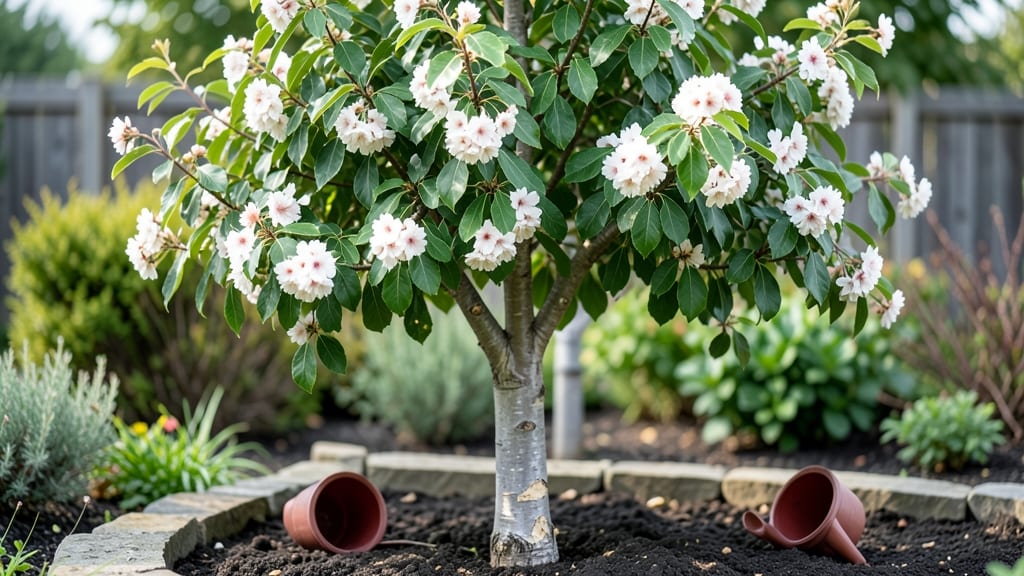
Flowering pear leaf shrubs thrive in the Pacific Northwest’s frosty winters, but those glossy leaves can develop unsightly spots or yellow patches—often from powdery mildew or mites. I’ve spent years battling these issues, and the key is catching problems early before they spread.
The first sign is usually white powder on leaves or tiny webbing between branches, but sometimes it’s just a slow decline in vibrancy that hints at deeper stress.
Most issues stem from three root causes: too much moisture, poor airflow, or neglecting seasonal pruning. My go-to fix is a 3-step approach—pruning to improve airflow, applying neem oil for pests, and adjusting watering to let soil dry between drinks.
It’s not always quick, but consistent care keeps these shrubs looking lush even after winter’s harshest months.
What you’ll end up with is a shrub that stays dense and healthy year-round, with fewer fungal spots and no sudden leaf drop. The blooms remain vibrant, and the glossy foliage stays intact through rain and frost.
Prevention is easier than cleanup, so I’ll walk you through the exact steps I use to keep mine thriving—no guesswork involved.
Whether you’re dealing with powdery mildew, scale insects, or just yellowing leaves, these methods work for any flowering pear in your yard. Let’s get those leaves back to their best, so your shrub stays the standout beauty it’s meant to be.
📚 In This Guide
- What you need
- Instructions
- Tips and common mistakes
- Wrapping up and next steps
What you need
- ● Flowering Pear Leaf Shrub (Pyrus calleryana): 1-3 mature plants (3-6 feet tall, depending on desired size)
- ● Choose a cultivar like 'Chanticleer' or 'Aristocrat' for frost resistance
- ● Well-draining soil mix: 50% native soil
- ● 30% compost (for nutrients)
- ● 20% perlite or sand (to prevent waterlogging)
- ● Organic mulch (e.g., wood chips or shredded bark): 2-3 inches
- ● Slow-release fertilizer (10-10-10 or balanced NPK): 1 lb per shrub
- ● Pruning shears (sterilized, sharp blades for clean cuts)
- ● Garden gloves (to protect from thorns)
- ● Trowel or spade (for digging holes)
- ● Wheelbarrow (for mixing soil)
- ● Watering can or hose with nozzle (gentle spray for young plants)
- ○ Plant support stakes (optional, for young/leaning shrubs)
- ○ Frost cloth (optional, for early-season protection in cold microclimates)
- ○ Soil pH test kit (optional, to ensure pH 6.0-7.0)
How to plant and care for a flowering pear leaf shrub
This hardy Northwest shrub thrives with minimal fuss—just follow these straightforward steps.
Choose the Perfect Planting Location
Select a spot with full sun to partial shade, where the shrub will receive at least 4-6 hours of sunlight daily. The flowering pear leaf handles the Pacific Northwest’s cool, damp climate beautifully, but it needs good airflow to prevent fungal issues. Avoid low-lying areas where cold air pools, as even this frost-resistant shrub can suffer from prolonged saturation.
Test the soil by digging a 6-inch hole—the roots should spread comfortably without hitting rocks or compacted layers. If your soil drains poorly, mix in 2-3 inches of compost to improve texture. The shrub’s glossy leaves will tell you if it’s happy: vibrant green means ideal conditions; yellowing or wilting signals drainage or sunlight issues.
Plant with Proper Spacing and Soil Prep
Dig a hole twice as wide as the root ball but no deeper—this encourages roots to spread horizontally rather than sinking. Gently loosen the roots if they’re circling tightly, then place the shrub so the top of the root ball sits 1 inch above ground level. This prevents water from pooling around the stem, which can rot the base over time.
Backfill with a mix of native soil and 1 part compost, tamping lightly to remove air pockets. Water deeply until the soil settles, then add a 2-inch layer of mulch (avoid piling mulch against the stem). The mulch retains moisture while protecting roots from winter’s chill—a critical detail for Northwest winters.
Water and Fertilize for Strong Growth
Water once a week during the first growing season, ensuring the soil stays moist but not soggy. After establishment, the flowering pear leaf thrives on natural rainfall and needs little supplemental watering. Check soil moisture by sticking your finger 2 inches deep—if it’s dry, water thoroughly. Overwatering is the fastest way to smother roots in dense Northwest soil.
Fertilize lightly in early spring with a balanced, slow-release fertilizer (10-10-10). Skip heavy feeding—this shrub prefers lean soil and over-fertilizing leads to weak growth and fewer flowers. The key is patience: healthy roots mean stunning foliage and occasional blooms, not forced, lush foliage that collapses in winter.
Prune for Shape and Health
Prune in late winter or early spring before new growth begins. Remove dead, diseased, or crossing branches first, then shape the shrub by cutting back one-third of the oldest stems to encourage fresh growth. Avoid heavy pruning in fall—it leaves the plant vulnerable to winter stress. Use clean, sharp shears to make cuts just above a leaf node or bud, angled slightly outward.
This shrub tolerates pruning well, but don’t overdo it. The goal is to maintain an open, airy structure—think of it like sculpting a living hedge. If you see leggy growth, it’s a sign of too much shade or insufficient sunlight. Trim back errant branches to restore balance, and you’ll see denser foliage within a season.
Winterize for Pacific Northwest Resilience
No special winter prep is needed—this shrub handles frost like a champ. However, if your area gets heavy snow, gently brush accumulation off branches to prevent breakage. The glossy leaves act as a natural barrier against ice, but weight can still cause damage. Mulch lightly around the base in late fall to insulate roots, then remove it in early spring to avoid suffocation.
Watch for signs of stress: brown leaf edges or wilting in winter could mean windburn or salt spray from nearby roads. If you notice these issues, protect the shrub with a burlap wrap during harsh storms. With minimal care, your flowering pear leaf will reward you with year-round interest—whether it’s vibrant foliage in summer or quiet resilience in winter.
Tips & tricks for perfect flowering pear leaf shrub care
Here’s what I’ve learned from years of growing this resilient Northwest beauty—small details that make all the difference.
Sunlight Secret: The 4-6 hours of sunlight mentioned in Step 1 is a minimum, not a maximum. If your shrub gets more sunlight, it’ll produce even more vibrant foliage. I’ve seen flowering pear leaf shrubs thrive in full sun with afternoon shade—just monitor the leaves for signs of stress like crispy edges, which means it’s getting too much direct afternoon heat.
Soil Test Tip: Before planting, do a simple soil test to check pH. Flowering pear leaf shrubs prefer slightly acidic to neutral soil (pH 6.0-7.0). If your soil is too alkaline (common in many Northwest areas), mix in a bit of peat moss or sulfur when amending with the 2-3 inches of compost. This small adjustment prevents nutrient deficiencies that show up as yellowing leaves.
Watering Wisdom: The once-weekly watering during the first year is crucial, but timing matters just as much. Water deeply in the morning so the soil has time to dry out during the day—this prevents fungal issues that thrive in damp conditions. I’ve seen too many new growers overwater in the evening, which leads to soggy roots and poor growth.
Pruning Precision: When cutting back one-third of the oldest stems in Step 4, focus on the thickest, most established branches first. These are the ones that have outgrown their usefulness and are competing with younger growth for nutrients. Make your cuts at a 45-degree angle just above a leaf node or outward-facing bud—this encourages new growth in the direction you want, not inward where it can get tangled.
Pro Tips for Flowering Pear Leaf
- Here’s what I’ve learned from years of growing this resilient Northwest beauty—small details that make all the difference.
- Sunlight Secret: The 4-6 hours of sunlight mentioned in Step 1 is a minimum, not a maximum.
- Soil Test Tip: Before planting, do a simple soil test to check pH.
Frequently asked questions
Got questions about caring for your flowering pear leaf shrub? You’re not alone! Here are answers to the most common queries from Pacific Northwest gardeners—plus a few pro tips to keep your shrub thriving year-round.
When do flowering pear leaf shrubs bloom, and how long do the flowers last?
Flowering pear leaf shrubs typically burst into bloom in early spring (March–April in the PNW), with clusters of fragrant white or pink flowers that last 2–4 weeks. Some varieties, like Pyrus calleryana ‘Chanticleer,’ may produce a second, lighter flush of blooms in late summer. Prune after flowering to avoid cutting off next year’s buds!
Why are the leaves on my flowering pear shrub turning yellow or brown?
Yellowing leaves often signal overwatering or fungal issues (like powdery mildew), while brown edges can mean underwatering or winter burn (common in PNW’s fluctuating temps). Check soil moisture—pearl leaf shrubs prefer well-draining soil and tolerate drought once established. Fungal problems? Prune affected branches and apply neem oil for prevention.
How cold-hardy are flowering pear leaf shrubs, and do they need winter protection?
Most flowering pear leaf shrubs are USDA Zones 5–8 hardy, making them perfect for the PNW’s frosty winters! However, young shrubs or those in exposed, windy areas may benefit from a light mulch layer (2–3 inches) around the base. Avoid heavy mulch, which can suffocate roots. No wrapping or blankets needed—just let them hibernate naturally!
Can I grow a flowering pear leaf shrub in a container, and what’s the best soil mix?
Yes! Smaller varieties (like ‘Aristocrat’) thrive in 15+ gallon containers with fast-draining soil. Mix equal parts potting soil, perlite, and compost to prevent root rot. Place pots in full sun to partial shade and water when the top inch of soil is dry. Drainage holes are a must!
When and how should I prune my flowering pear leaf shrub for healthy growth?
Prune immediately after flowering (late spring) to shape the shrub and remove dead wood. For rejuvenation, prune back 1/3 of the oldest stems in early spring. Avoid heavy pruning in fall—it stimulates tender new growth that won’t survive winter. Sterilize tools with rubbing alcohol to prevent disease!
Are flowering pear leaf shrubs prone to pests, and how do I keep them away?
While generally pest-resistant, aphids, scale, and borers may occasionally appear. Prevent issues by keeping the shrub healthy (proper watering, pruning) and inspecting leaves regularly. For treatment, spray with soapy water (1 tbsp mild soap per gallon) or introduce ladybugs (natural predators). Severe infestations? Use horticultural oil in late fall.
Wrapping up and next steps
The flowering pear leaf shrub is a standout choice for Pacific Northwest gardeners, offering stunning year-round beauty with minimal fuss. Its frost-resistant nature, vibrant foliage, and delicate blooms make it a low-maintenance yet high-impact addition to any landscape.
Whether you're a seasoned gardener or just starting out, this shrub delivers color, resilience, and elegance—perfect for transforming your outdoor space into a lush retreat.
Ready to elevate your garden? Plant one today and enjoy the rewards of its effortless charm! For extra tips, check out our care guide to keep your flowering pear leaf shrub thriving for years to come. 🌿✨