
Trees
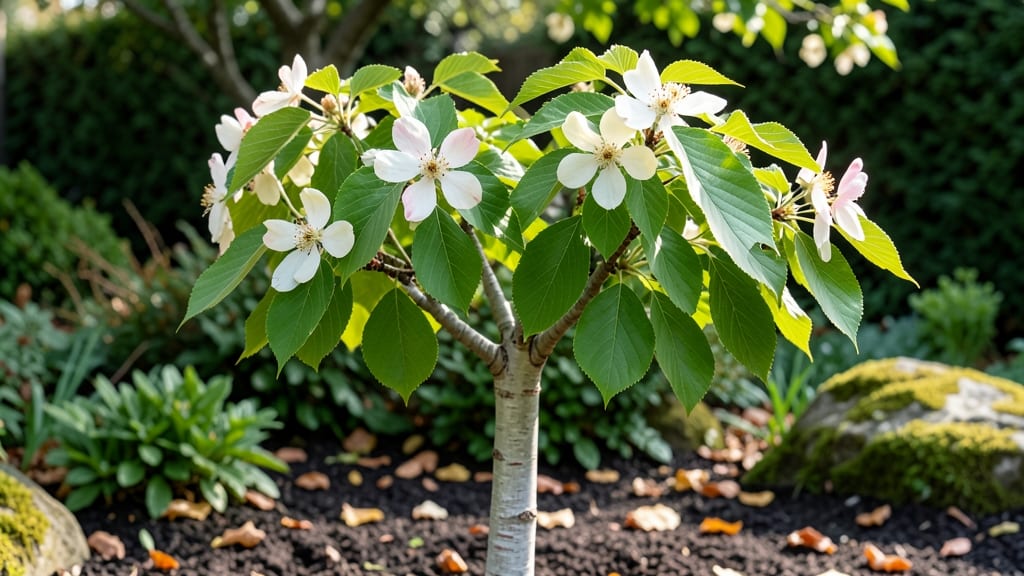
The pink flowering dogwood isn’t just a tree—it’s the Pacific Northwest’s answer to a showstopper garden centerpiece. 🌸 Its cloud-like blooms in spring, fiery fall foliage, and even its peeling bark in winter make it a year-round star.
I planted mine near a patio, and now it’s the first thing guests notice, framing the space like a living painting.
What makes this tree so special is its versatility. The soft pink flowers appear before the leaves, creating a dreamy canopy, while the deep red berries add a pop of color in late summer.
Pair it with ferns, rhododendrons, or even a Japanese maple for a layered, natural look that feels effortless. Even in small yards, its compact size (20–30 feet tall) fits beautifully.
You’ll love how it transforms your garden through the seasons—spring’s blush blooms, summer’s lush green leaves, and autumn’s fiery hues. The bark’s winter texture adds unexpected drama, too.
It thrives in partial shade, making it perfect for understory planting or as a focal point near a deck or walkway.
For best results, plant it in moist, well-draining soil and give it space to spread. Mulch helps retain moisture, and regular watering in the first year ensures strong roots. Once established, it’s low-maintenance but high-reward—a tree that works as hard as it looks.
📚 In This Guide
- What you need
- Instructions
- Tips and common mistakes
- Wrapping up and next steps
What you need
- ● Pink flowering dogwood tree (choose a Cornus florida variety like ‘Cherokee Brave,’ ‘Rubra,’ or ‘White Dazzle’ for vibrant blooms).
- ● High-quality potting soil or native soil mix (3-5 cubic yards, amended with compost for drainage).
- ● Organic mulch (4-6 inches of shredded bark or wood chips to retain moisture and regulate temperature).
- ● Slow-release fertilizer (10-10-10 or 12-12-12, 1-2 pounds per tree).
- ● Drip irrigation system or soaker hose (for consistent moisture, especially in dry PNW summers).
- ● Shovel or spade (for digging planting holes, 18-24 inches wide and deep).
- ● Garden gloves (to protect hands while handling soil and roots).
- ● Wheelbarrow (for transporting soil and mulch).
- ● Pruning shears (sharp, sterilized shears for shaping and maintenance).
- ● Measuring tape (to ensure proper spacing—15-25 feet apart for mature trees).
- ● Watering can or hose (for initial watering post-planting).
- ● Tree stakes and ties (for young saplings in windy PNW locations).
- ● Epsom salt (1 tablespoon per gallon of water, monthly for magnesium boost).
- ● Tree guard or protective wrap (to shield from deer or urban pests).
- ● Soil pH test kit (ideal range: 5.0–6.5; amend with sulfur or lime if needed).
- ● Decorative stones or edging (to enhance the base of your tree for a polished look).
How to plant and care for a pink flowering dogwood in the Pacific Northwest
This iconic tree thrives with the right placement and seasonal attention.
🪴 Step 1: Choose the Perfect Planting Spot
Pink flowering dogwoods love dappled shade but won’t tolerate full sun in hotter microclimates. Look for a location with morning sun and afternoon shade—think under tall evergreens or near a north-facing wall. The soil should drain well but stay consistently moist; these trees hate soggy roots.
I dig a hole twice as wide as the root ball but only as deep as the container’s base. Loosen the roots gently if they’re circling—this prevents girdling later. The top of the root ball should sit 1-2 inches above ground level to allow for settling.
☀️ Step 2: Plant in Early Spring or Fall for Best Establishment
Spring planting (March-April) gives roots time to establish before summer heat, while fall (September-October) lets them settle before winter dormancy. Avoid planting in summer—dogwoods stress easily in heat. Water the root ball thoroughly 2-3 days before transplanting to reduce shock.
Backfill with native soil mixed with compost (if available) to improve fertility. Tamp gently around the edges to eliminate air pockets, then create a watering basin by mounding soil outward. This directs water straight to the roots where it’s needed most.
💧 Step 3: Water Deeply and Mulch for Moisture Retention
Water deeply once a week during the first growing season—1-2 gallons per foot of tree height. Let the soil dry slightly between waterings; soggy conditions invite root rot. You’ll know it’s right when the top 2-3 inches of soil feel dry to touch but deeper layers stay moist.
Spread 3-4 inches of mulch (wood chips or bark) over the root zone, keeping it 6 inches away from the trunk. This conserves moisture, regulates soil temperature, and suppresses weeds. Refresh the mulch annually—it breaks down faster than you’d think.
✂️ Step 4: Prune in Late Winter for Shape and Health
Prune just after buds swell (February-March) to remove dead, crossing, or weak branches. Dogwoods bloom on old wood, so never cut back flowering stems. Make cuts at a 45-degree angle just outside the branch collar—this promotes faster healing.
Thin the canopy if needed to improve airflow, but avoid heavy pruning. Even a 10% reduction in foliage can stress the tree. After pruning, apply a balanced fertilizer (10-10-10) to support new growth. Watch for borers—if you see holes in branches, treat immediately with systemic insecticide.
🌿 Step 5: Protect from Common Pacific Northwest Threats
Dogwoods face few pests but can suffer from powdery mildew in humid summers. Space plants 10-15 feet apart for airflow and water at the base—not overhead—to prevent fungal spores from spreading. If leaves develop white powder, spray with neem oil at dusk.
Deer and rabbits love young dogwoods—wrap the trunk with tree guard or use repellent sprays. In urban areas, check for dogwood anthracnose (leaf spots). Remove infected leaves promptly and avoid overhead watering. With proper care, your tree will reward you with stunning blooms for decades.
Tips & tricks for perfect pink flowering dogwood care
Real talk: The difference between a thriving dogwood and one that struggles often comes down to these small but critical details.
Location is Everything: In Step 1, when choosing your spot, pay special attention to the morning sun/afternoon shade balance. I’ve seen dogwoods in full sun wither by July—especially in hotter microclimates like urban Portland. Test your spot for a week first: if leaves get crispy by midday, move it. Also, avoid planting near large conifers that steal moisture through their roots.
Root Ball Settlement: That 1-2 inch elevation above ground level in Step 1 isn’t just for show—it accounts for settling. After planting, gently press the soil around the edges and water deeply. Check the position again in 2-3 weeks; if it’s settled too low, add a small mound of soil to maintain that elevation. Proper settling prevents water pooling around the trunk.
Watering Wisdom: The once-weekly deep watering in Step 3 requires precision. Use a trowel to check moisture at 2-3 inches depth—if it’s damp, wait. For young trees, I’ve found that splitting the 1-2 gallons into two waterings (morning and evening) prevents shock. And here’s what nobody tells you: dogwoods actually prefer slightly drier conditions in winter—reduce watering by half during dormancy.
Pruning Precision: When you’re ready to prune in Step 4, mark your cuts first with chalk or a pencil. Dogwoods bloom on old wood, so every cut affects next year’s flowers. I aim to remove no more than 10% of the canopy at a time—any more stresses the tree. For large branches, make the first cut about 6 inches from the trunk, then the final cut just outside the branch collar to prevent tearing.
Pro Tips for Pink Flowering Dogwood Flowering Tree
- Real talk: The difference between a thriving dogwood and one that struggles often comes down to these small but critical details.
- Location is Everything: In Step 1, when choosing your spot, pay special attention to the morning sun/afternoon shade balance.
- Root Ball Settlement: That 1-2 inch elevation above ground level in Step 1 isn’t just for show—it accounts for settling.
Frequently asked questions
Got questions about the pink flowering dogwood? You’re not alone—this stunning tree is beloved but sometimes comes with a few surprises! Here are answers to the most common queries to help you make the best decisions for your landscape.
When is the best time to plant a pink flowering dogwood?
The ideal time to plant your dogwood is in early spring or fall, when temperatures are mild and the tree can establish roots before extreme weather. Avoid planting in summer heat or winter frost, as these conditions stress young trees. If you’re in the Pacific Northwest, aim for March–April or September–October for optimal success.
How fast does a pink flowering dogwood grow, and how big will it get?
Dogwoods are moderate growers, typically adding 12–24 inches per year under ideal conditions. At maturity, they reach 20–35 feet tall with a 25–40-foot spread. Their slow-to-moderate growth makes them perfect for long-term landscaping—just be patient for those showstopping blooms!
What pests or diseases should I watch for with a dogwood tree?
Dogwoods are generally hardy but can fall prey to powdery mildew, anthracnose fungus, or dogwood borers. To prevent issues:
- Prune for good airflow (avoid overcrowding).
- Water at the base (not overhead) to reduce fungal risks.
- Inspect leaves for spots or holes—early action helps!
If pests strike, neem oil or insecticidal soap can be effective.
Can I grow a pink flowering dogwood in a container or small yard?
While dogwoods thrive in well-draining soil with space, dwarf varieties like ‘Pocahontas’ or ‘Cherokee Brave’ work well in containers (15–20 gallons) or tight spots. Just ensure:
- Full sun to partial shade (6+ hours of light).
- Regular watering (containers dry out faster).
- Winter protection (move indoors or use burlap wraps in cold climates).
For small yards, consider multi-stemmed or weeping cultivars for visual interest!
Are there alternatives to pink flowering dogwoods with similar looks?
If you love dogwoods but need a low-maintenance or drought-tolerant option, try:
- Kousa dogwood (Cornus kousa): More disease-resistant with white-pink blooms and red berries.
- Serviceberry (Amelanchier): Edible fruit, white flowers, and fall color.
- Fringe tree (Chionanthus): Fragrant white blooms and glossy foliage.
- Oakleaf hydrangea: Big leaves, pink blooms, and four-season interest.
Each offers year-round appeal without the fuss!
Wrapping up and next steps
The pink flowering dogwood isn’t just a Pacific Northwest stunner—it’s a year-round showstopper with vibrant blooms, striking foliage, and even winter interest! Whether you’re drawn to its springtime splendor or its easy-care charm, this tree brings effortless beauty to any landscape. Ready to elevate your outdoor space? 🌸
Take the next step: sketch your dream garden layout, research local nurseries for healthy saplings, or dive into pruning tips to keep your dogwood thriving. Your future garden awaits—let the planting begin! 🌿