
Planting
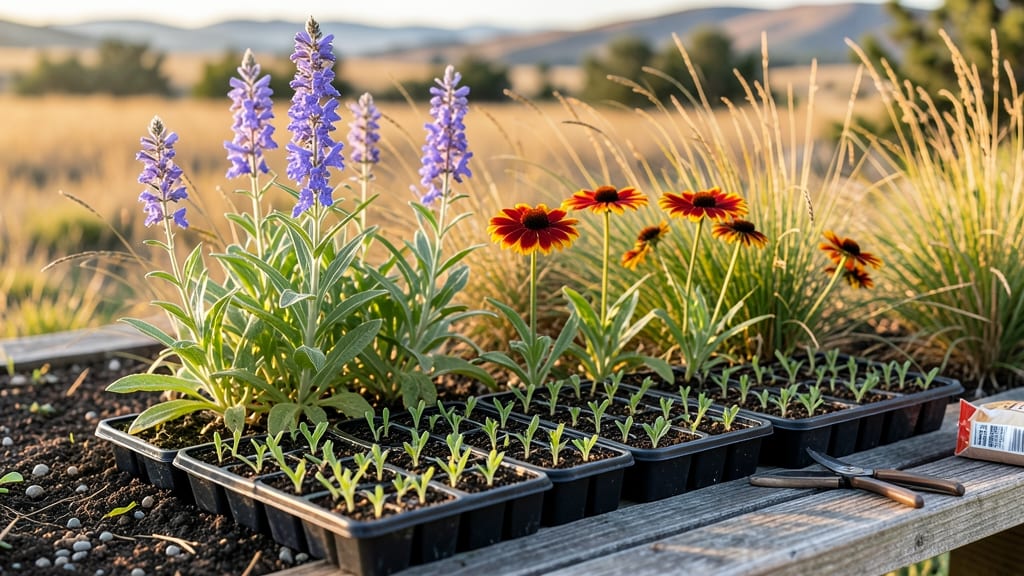
Planting wildflowers in Colorado transforms your garden into a vibrant tapestry that thrives despite our dry air and rocky soil. ✨ I’ve seen how a single patch of native blooms can turn a sunbaked slope into a humming, colorful oasis—one that requires almost no water once established.
The key lies in choosing the right species and mimicking nature’s own water-smart strategies.
Start with Colorado’s toughest natives like blanketflower, yarrow, and penstemon—they handle our 5,000-foot elevation like pros, blooming from early summer through fall. You’ll need well-draining soil (amend heavy clay with compost), full sun, and one deep watering per week after planting.
The best time to sow seeds is in early spring or late summer, when temperatures are cool and moisture lingers just enough to help them root.
By mid-summer, your garden will burst with deep blues, fiery reds, and golden yellows that attract bees and butterflies while requiring almost no maintenance. The wildflowers even suppress weeds naturally, saving you hours of backbreaking work. Once established, they’ll outlast most ornamentals, year after year.
Whether you’re seeding a 100-square-foot meadow or a small container, the principles stay the same. High-altitude wildflowers reward patience—give them a season to settle in, and they’ll reward you with color that lasts longer than any annual bed. Ready to turn your Colorado yard into a pollinator paradise?
📚 In This Guide
- What you need
- Instructions
- Tips and common mistakes
- Wrapping up and next steps
What you need
- ● Wildflower seeds: Choose Colorado-native or drought-resistant varieties (e.g., blanket flower, yarrow, or blue grama grass). Aim for 1-2 lbs per 100 sq ft for a lush meadow.
- ● Garden soil or compost: 2-3 cubic yards (for amending heavy clay or poor soil). Look for organic matter-rich blends.
- ● Rake: A bow rake (8-12" teeth) to level soil and remove debris.
- ● Hoe or cultivator: For breaking up compacted soil and loosening roots.
- ● Water source: A hose with a gentle spray nozzle or drip irrigation system (critical for establishment!).
- ○ Mulch (optional but recommended): Straw or wood chips (2-3 inches) to retain moisture and suppress weeds.
- ● Garden gloves: Heavy-duty nitrile-coated gloves to protect hands from prickly plants.
- ● Sunlight assessment: Confirm your planting area gets 6+ hours of direct sun (most wildflowers thrive here!).
- ● Seed starter mix: For pre-sprouting seeds indoors (if starting early).
- ● Wildflower seed mix: Pre-blended Colorado-friendly varieties (e.g., Native American Seed’s "Colorado Wildflower Mix").
- ● Birdseed or suet feeders: To attract pollinators and deter pests naturally.
- ● Soil test kit: Check pH and nutrient levels (ideal pH: 6.0-7.5 for most wildflowers).
- ● Erosion control fabric: For sloped areas to prevent seed washout.
Step-by-step guide for planting Colorado wildflowers
Colorado’s high-elevation climate demands smart planting—here’s how to establish hardy, drought-loving wildflowers that thrive in your mountain garden.
🌱 Step 1: Choose the Right Wildflower Mix for Your Elevation
Colorado’s elevation zones (from 5,000 to 10,000 feet) dictate which wildflowers will flourish. For lower elevations (5,000–7,000 feet), opt for mixes like blanketflower, penstemon, or yarrow—these tolerate 30–40°F nights and dry spells. At higher elevations (7,000–10,000 feet), select alpine-friendly species like sky pilot, columbine, or Indian paintbrush, which handle cooler soils and shorter growing seasons.
Check the seed packet for elevation-specific recommendations. I always cross-reference with local nursery advice—what works in Denver’s front range may struggle in the San Juan Mountains. If planting in full sun, prioritize native grasses like blue grama or buffalo grass; they stabilize soil and reduce water needs.
🌿 Step 2: Prepare the Soil for Optimal Germination
Wildflowers thrive in lean, well-draining soil—Colorado’s native plants evolved in nutrient-poor conditions. Avoid amending with compost unless your soil is extremely compacted. Instead, loosen the top 4–6 inches with a broadfork or tiller, breaking up any hardpan. Rough up the surface with a rake to create a seedbed that mimics natural disturbance.
Test your soil’s moisture retention by squeezing a handful—if it clumps tightly, mix in 20% coarse sand or perlite to improve drainage. Wildflowers despise soggy roots, especially in Colorado’s unpredictable spring rains. For rocky or shallow soils, use a no-till approach and scatter seeds directly on the prepared surface—this mimics how wildflowers naturally establish.
☀️ Step 3: Time Planting for Colorado’s Microclimates
Colorado’s short growing season means timing is everything. For spring planting, sow seeds as soon as the soil reaches 45°F and stays reliably above freezing. In lower elevations, this is typically mid-April; at higher elevations, wait until late May or early June. Fall planting (late August to September) works well for biennials like lupine or hollyhock, which need a chilling period to germinate.
Here’s the thing—Colorado’s afternoon thunderstorms can wash away freshly planted seeds. If planting in exposed areas, press seeds lightly into the soil (no deeper than ¼ inch) or use a straw mulch to anchor them. Water gently with a misting nozzle to avoid displacing seeds, and keep the soil consistently moist until germination (10–20 days, depending on species).
💧 Step 4: Water Strategically to Encourage Deep Roots
Overwatering is the fastest way to kill wildflowers—these plants evolved to survive on 10–15 inches of annual rainfall. After planting, water deeply 2–3 times per week for the first 4 weeks, then taper to once weekly. The goal is to encourage roots to grow deep, not shallow. You’ll know you’re doing it right when seedlings develop sturdy stems and dark green leaves.
Once established (after 6–8 weeks), wildflowers need minimal watering. In drought years, a 1-inch soaking every 2–3 weeks is often enough. Mulch with 1–2 inches of straw to retain moisture and suppress weeds—just avoid piling mulch directly against stems, which can cause rot.
✂️ Step 5: Maintain and Let Nature Take Over
Wildflowers are low-maintenance, but a little care goes a long way. Deadhead spent blooms in early summer to encourage a second flush of flowers, but leave some seed heads for wildlife and next year’s natural reseeding. Avoid fertilizing—wildflowers prefer lean soil, and fertilizer can make them leggy and floppy.
Watch for invasive cheatgrass or Russian knapweed, which can outcompete native wildflowers. Pull weeds by hand when young, and consider spot-treating with vinegar-based herbicide if needed. By year two, your wildflower patch should self-sustain with minimal intervention. Step back and enjoy the pollinators—Colorado’s wildflowers are a magnet for bees, butterflies, and hummingbirds.
Tips & tricks for perfect Colorado wildflower planting
These pro strategies will help you establish a thriving wildflower garden that survives Colorado’s unique challenges—without the guesswork.
Elevation-Specific Planting: The 5,000–7,000 foot zone's blanketflower and penstemon thrive in 30–40°F nights, while higher elevations need alpine species like sky pilot that handle cooler soils. I always check seed packets for elevation ranges—what works in Denver may fail in the Rockies. For mixed elevations, create separate beds or use shade-tolerant varieties near trees.
Soil Prep Secret: That 4–6 inch soil loosening in Step 2 is crucial—wildflowers hate compacted soil. Use a broadfork to break up hardpan without turning the soil (which disrupts native microbes). For rocky areas, I’ve had success with a no-till approach, simply scattering seeds on the prepared surface. The key is creating a rough, seed-catching texture that mimics natural disturbance.
Timing Your Planting: Colorado’s 45°F soil temperature threshold is non-negotiable—waiting until mid-April at lower elevations or late May in the mountains prevents frost damage. I’ve learned the hard way that rushing too early leads to seed rot. For fall planting, aim for late August when biennials like lupine need that chilling period to germinate properly. Always check your local frost dates!
Watering Wisdom: Those first 4 weeks of deep watering 2–3 times weekly establish roots that can handle Colorado’s drought. I use a rain gauge to measure 1-inch soakings—overwatering is just as deadly as underwatering. Once established, I reduce to weekly waterings and rely on mulch to maintain moisture. The goal is deep roots, not surface growth.
Pro Tips for Planting Wildflowers In Colorado
- These pro strategies will help you establish a thriving wildflower garden that survives Colorado’s unique challenges—without the guesswork.
- Elevation-Specific Planting: The 5,000–7,000 foot zone's blanketflower and penstemon thrive in 30–40°F nights, while higher elevations need alpine species like sky pilot that handle cooler soils.
- Soil Prep Secret: That 4–6 inch soil loosening in Step 2 is crucial—wildflowers hate compacted soil.
Frequently asked questions
Got questions about planting wildflowers in Colorado?
Here are some of the most common ones—and their answers—to help you grow a thriving, drought-resistant garden with ease!
When is the best time to plant wildflowers in Colorado?
The ideal window is late summer to early fall (August–September) for fall planting, or late winter to early spring (February–March) for spring blooms. Colorado’s cooler seasons give seeds a head start before summer heat. Avoid planting in peak summer—dry conditions can hinder germination.
Do wildflowers really survive Colorado’s drought conditions?
Native Colorado wildflowers like beebalm, blanketflower, and yarrow are bred to thrive with minimal water once established. After the first year, most need only occasional deep watering (every 2–4 weeks). Mulching with straw or pine needles helps retain moisture and suppress weeds.
Can I plant wildflowers in containers or just in the ground?
Yes! Wildflowers adapt well to containers, raised beds, and ground plantings. For pots, use a well-draining mix (like cactus/succulent soil) and choose compact varieties like lupine or penstemon. Ensure containers have drainage holes—root rot is a common pitfall in Colorado’s clay-heavy soils.
Will wildflowers attract pests like bees or deer?
Wildflowers do attract pollinators (like bees and butterflies), which is great for ecosystems! To deter deer, opt for deer-resistant species like purple coneflower or scarlet gilia. Fencing or repellents (like garlic spray) can also help. Pro tip: Plant near your veggie garden to boost pollination!
How do I prepare wildflower seeds for Colorado’s harsh winters?
Most native seeds are cold-hardy, but scarification (nick seeds with sandpaper) or stratification (mixing seeds with moist sand in the fridge for 2–4 weeks) can improve germination. For spring planting, don’t bury seeds deeply—light exposure triggers growth. A light mulch layer protects them from wind.
What if my wildflowers don’t bloom the first year?
Don’t worry—many wildflowers take 1–2 years to establish and flower. Focus on watering lightly (1 inch/week) and keeping weeds at bay. Some varieties, like blue grama grass, may look sparse but reward patience with vibrant blooms in subsequent seasons.
Wrapping up and next steps
Planting wildflowers in Colorado isn’t just about adding color to your garden—it’s about creating a thriving, drought-resistant ecosystem that supports local wildlife and enhances your outdoor space. 🌸 From choosing the right seeds to preparing your soil and maintaining your meadow, every step brings you closer to a beautiful, low-maintenance landscape that thrives in Colorado’s unique climate.
Now that you’re ready to transform your garden, take the next step: grab your seeds, mark your calendar for the best planting times, and start small—even a single patch of wildflowers makes a difference! Your future meadow awaits, and it’s going to be stunning.