
Flowers
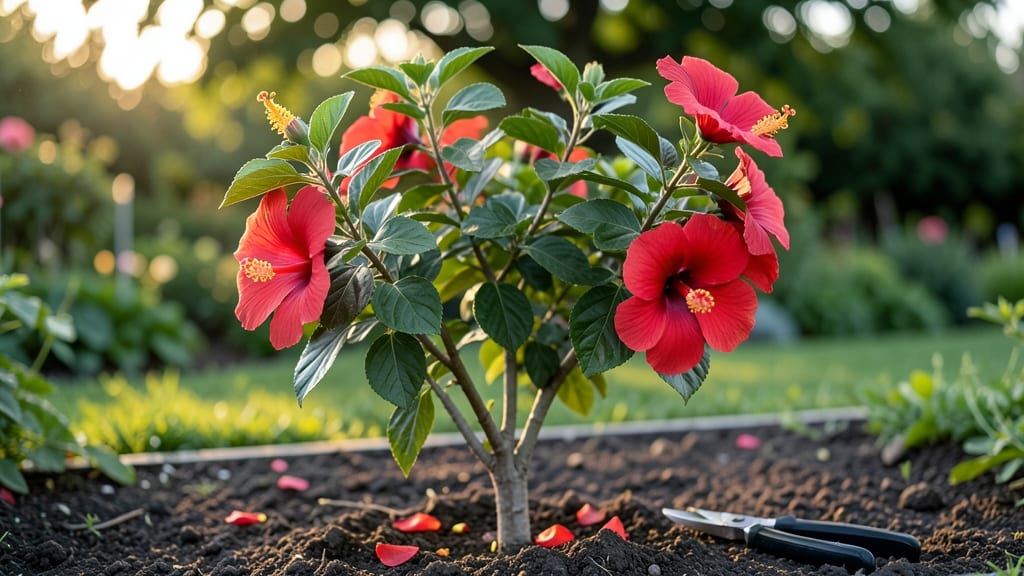
The red flower with yellow center I planted last spring has already become the star of my Pacific Northwest garden—bees and butterflies can’t resist its bold contrast. 🌸 These flowers aren't just pretty—they're working hard to support local pollinators while keeping your garden buzzing with activity from spring through fall.
My go-to choices include Black-Eyed Susan for late-summer drama, Coneflower for golden centers that catch the light, and Marigold for that classic cheerful look. They thrive in partial shade to full sun, making them perfect for spots where other flowers might struggle.
The key is spacing them about 18-24 inches apart so each plant gets room to shine without competing for attention.
You'll end up with a garden that feels alive and intentional—think sun-dappled reds contrasting against lush greenery, with pollinators flitting between blooms all season. These flowers also play well with others: pair them with purple salvias for a striking contrast or plant near herbs to create a fragrant, functional border.
The color combination works in every season, from spring's first blooms to late-fall interest.
For year-round appeal, mix in evergreen shrubs like Oregon grape for winter structure, and you've got a design that keeps working even when other plants take a break.
The best part? These plants are tough enough to handle the Pacific Northwest's damp springs and misty summers without fuss. Let's make your garden a pollinator paradise!
📚 In This Guide
- What you need
- Instructions
- Tips and common mistakes
- Wrapping up and next steps
What you need
- ● Seeds or young plants: Choose Eschscholzia californica (California poppy) or Lupinus (lupine) varieties—both feature vibrant red blooms with golden centers! 🌸 Quantity: 10–20 seeds (or 3–5 plants for a small garden)
- ● Specs: Organic, non-GMO, and native to the Pacific Northwest (if possible)
- ● Well-draining soil: Mix equal parts garden soil, compost, and coarse sand for ideal drainage. 🏺
- ● Sunlight access: A spot with 6+ hours of full sun daily (critical for blooming!)
- ● Watering can or hose: With a gentle spray nozzle for tender seedlings.
- ● Garden trowel (for planting seeds/transplants)
- ● Pruning shears (to trim spent blooms and encourage regrowth)
- ○ Mulch (optional):Use straw or wood chips to retain moisture and suppress weeds.
- ○ Fertilizer (optional):Balanced organic fertilizer (10-10-10) for nutrient boosts. Pro tip: Over-fertilizing can reduce blooms!
- ○ Pollinator-friendly companions (optional):Plant nearby: lavender, yarrow, or bee balm to create a thriving ecosystem. 🐝
- ● Patience! Seeds may take 10–14 days to germinate.
- ● Consistent care during the first 4–6 weeks (critical for root establishment).
- ● Check local frost dates—most PNW varieties thrive in zones 6–9.
Step-by-step guide for planting a Pacific Northwest pollinator haven
Here's how to create a vibrant, low-maintenance garden that thrives in our region's mild climate.
🌱 Step 1: Choose the Right Native Perennials
For that striking red-and-yellow contrast, I always start with Pacific Coast Iris (Iris tenax) and Oregon Sunshine (Lomatium triternatum). These hardy natives bloom reliably from spring through summer, their deep red petals and golden centers drawing hummingbirds and bees immediately. Add Yarrow (Achillea millefolium) for its ferny foliage and flat-topped clusters of tiny red-and-yellow blooms that last from June to frost.
Here's the thing—these plants handle our region's damp winters beautifully. They thrive in partial shade to full sun, making them perfect for Pacific Northwest gardens where direct sunlight can be limited. I like to mix them with Sword Fern (Polystichum munitum) for year-round structure—its glossy fronds provide a lush backdrop that makes the flowers pop even more.
☀️ Step 2: Prepare the Planting Site
Select a spot with well-draining soil—our region's heavy clay can suffocate roots if not amended. I dig in 2-3 inches of compost and 1 part perlite to every 3 parts native soil to improve drainage while retaining moisture. Test your site's sunlight: if it gets less than 4 hours of direct sun, stick with the Pacific Coast Iris and Yarrow in partial shade; for full sun spots, add Red Columbine (Aquilegia formosa) for its nodding red-and-yellow blooms.
Don't skip the soil prep. I've learned the hard way that skipping this step leads to soggy roots and poor flowering. Amend the soil until it crumbles easily between your fingers—it should hold moisture but not feel gluey. For containers, use a premium potting mix with added perlite to mimic that ideal texture.
🪴 Step 3: Plant with Pollinator Pathways in Mind
Space your plants 18-24 inches apart to allow airflow and prevent fungal diseases common in our damp climate. I plant in clusters of three: one Pacific Coast Iris, one Oregon Sunshine, and one Yarrow. This creates a natural progression of blooms from early spring through fall, ensuring continuous color and nectar for pollinators.
Real talk: Pollinators need more than just flowers—they need safe travel routes. Leave 12-inch gaps between clusters to create "highway" spaces where bees and butterflies can move efficiently. Add a small native shrub like Salal (Gaultheria shallon) at the edges to provide shelter and additional berries for birds.
💧 Step 4: Water and Mulch for Year-Round Success
Water deeply once a week after planting, then taper to every 10-14 days once established. Our Pacific Northwest climate provides plenty of natural moisture, but these plants appreciate 1 inch of water weekly during dry spells. I water in the early morning to reduce evaporation and fungal risks.
Apply 3 inches of wood chips or bark mulch around each plant, keeping it 2 inches away from stems to prevent rot. This mimics the forest floor these natives evolved in, retaining moisture while protecting roots from temperature swings. Replenish mulch annually in early spring—it breaks down faster than you'd think in our wet winters.
✂️ Step 5: Prune and Maintain for Continuous Blooms
Deadhead spent blooms on Yarrow and Oregon Sunshine every 2-3 weeks during their flowering season to encourage more blooms. For Pacific Coast Iris, cut back brown foliage in late fall but leave the green leaves until spring—they store energy for next year's flowers. I always prune with clean, sharp shears to avoid tearing plant tissue.
Fertilize lightly in early spring with a balanced organic fertilizer (5-5-5 ratio) to support new growth. Too much nitrogen leads to lush foliage but fewer flowers—these plants are all about those showy blooms. I've found that native plants rarely need feeding once established, but a little boost in spring keeps them thriving in our nutrient-poor soils.
Tips & tricks for perfect Pacific Northwest pollinator gardens
Creating a pollinator haven doesn't have to be complicated—these key strategies will help you maximize blooms and keep your garden thriving in our unique climate.
Native Plant Pairing: The trio of Pacific Coast Iris, Oregon Sunshine, and Yarrow creates a perfect pollinator progression. Plant them in clusters of three to provide continuous nectar from early spring through fall. I've found that this combination attracts hummingbirds first for their long tubular flowers, followed by bees that love the flat-topped Yarrow blooms. The Sword Fern adds year-round structure while keeping the garden looking lush even between bloom cycles.
Soil Science: Our Pacific Northwest's heavy clay soil needs special attention. The 2-3 inches of compost and 1:3 perlite-to-soil ratio creates ideal drainage while retaining moisture—critical for preventing root rot. I always test soil moisture by squeezing a handful: it should hold together but not feel sticky. For containers, premium potting mix with perlite mimics this perfect texture. This soil prep is what separates thriving gardens from struggling ones in our region.
Pollinator Highway Design: The 18-24 inch spacing between plants isn't just about aesthetics—it creates essential "highways" for pollinators. I've noticed that bees and butterflies move most efficiently through these gaps, especially when combined with the 12-inch buffer zones between plant clusters. Adding Salal shrubs at the edges provides shelter and additional food sources, making your garden a true pollinator oasis rather than just a pretty display.
Seasonal Maintenance: The 2-3 week deadheading schedule for Yarrow and Oregon Sunshine keeps blooms coming all season, while the late fall pruning of Pacific Coast Iris preserves energy for next year. I've learned that clean, sharp shears are non-negotiable—dull blades tear plant tissue, inviting fungal infections. This precise timing ensures your garden stays vibrant without requiring constant attention, making it perfect for our busy lives.
Pro Tips for Red Flower With Yellow Center
- Creating a pollinator haven doesn't have to be complicated—these key strategies will help you maximize blooms and keep your garden thriving in our unique climate.
- Native Plant Pairing: The trio of Pacific Coast Iris, Oregon Sunshine, and Yarrow creates a perfect pollinator progression.
- Soil Science: Our Pacific Northwest's heavy clay soil needs special attention.
Frequently asked questions
Got questions about that stunning red flower with yellow center? You’re not alone! Whether you’re curious about care, identification, or pollinator benefits, we’ve got answers. Here are some of the most common queries:
What is the most common red flower with a yellow center in the Pacific Northwest?
The Pacific Coast Iris (Iris tenax) and Western Red Columbine (Aquilegia formosa) are standout picks! Both thrive in PNW climates, attract hummingbirds and bees, and bloom in vibrant reds with sunny yellow centers. Columbine’s unique spurs make it extra eye-catching for pollinators.
When is the best time to plant these flowers for year-round color?
For spring blooms, plant bulbs (like Tiger Lilies) in fall. Perennials (e.g., Columbine) go in early spring or fall—just after the last frost. Iris prefers fall planting in well-draining soil. Mulch lightly to protect roots over winter!
How do I attract more pollinators to my garden with these flowers?
Pair red/yellow-center blooms with native PNW plants like Oregon Grape or Sword Fern for a pollinator buffet! Avoid pesticides, leave some "messy" foliage for shelter, and add a shallow water source (like a saucer with pebbles). Bonus: Deadhead spent blooms to encourage reblooming!
Why isn’t my red/yellow-center flower blooming this year?
Common culprits: overcrowding (dig up and divide clumps every 3–4 years), poor soil (amend with compost), or too much shade. Most need 6+ hours of sun. Check for pests (aphids love Columbine!) and ensure consistent watering—drought stress can delay blooms.
Are there non-native alternatives if I can’t grow PNW natives?
Try Bee Balm (Monarda) (red blooms, yellow-green centers), Daylilies (Hemerocallis) (hardy and colorful), or Black-Eyed Susans (Rudbeckia). Just note: Non-natives may attract fewer native pollinators, so pair them with local species for balance.
Are any red/yellow-center flowers toxic to pets or kids?
Most Columbine varieties are mildly toxic if ingested (can cause stomach upset). Lilies (like Tiger Lilies) are toxic to cats—keep them out of paws! Opt for pet-safe picks like Salvia or Coneflower if you have curious pets. Always supervise kids near new plants!
Still stumped? Drop your question in the comments—we’re happy to help your garden bloom brighter!
Wrapping up and next steps
From the vibrant red flower with yellow center to its role as a Pacific Northwest pollinator magnet, this stunning bloom isn’t just a feast for the eyes—it’s a lifeline for bees, butterflies, and hummingbirds year-round!
Whether you’re drawn to its bold beauty or its eco-friendly charm, adding this flower to your garden is a win-win for both aesthetics and wildlife. 🌸
Ready to transform your space? Start small—plant a single pot or dedicate a patch of your yard—and watch as your garden buzzes with activity (and color!) in no time. Happy gardening! 🌿