
Flowers
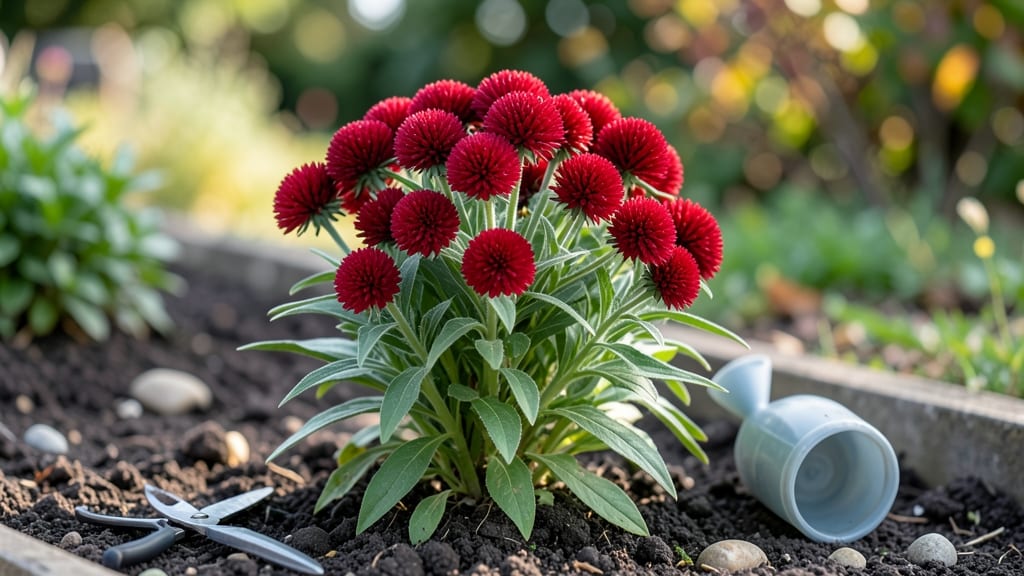
The red globe amaranth flower delivers those striking, papery blooms that defy frost—unlike most annuals—so my Pacific Northwest garden stays bold long after summer fades. 🌿 I learned the hard way these deep red pom-poms thrive where others fail, turning my... late-summer garden into a fiery burst of color when everything else starts fading.
The secret lies in their toughness: they tolerate poor soil, need minimal water, and keep blooming until frost. Start seeds indoors 8-10 weeks before your last frost, or sow directly after soil warms—just scratch them in, they don't need light to germinate.
The plants grow fast, reaching 2-3 feet tall with those iconic globe-shaped flowers that dry beautifully too.
By midsummer, you'll have a dramatic display that lasts until hard frost, with flowers that hold their shape even when dried. Use them in bouquets, as long-lasting cut flowers, or let them seed out for next year's garden. The best part? They attract pollinators while being completely pest-resistant—nature's low-maintenance showstopper.
Perfect for containers, borders, or cutting gardens—these plants work anywhere sunlight reaches. Here's how to make them thrive in your PNW climate, from seed to frost-kissed blooms.
📚 In This Guide
- What you need
- Instructions
- Tips and common mistakes
- Wrapping up and next steps
What you need
- ● Seeds: 1 pack of Gomphrena globosa (red globe amaranth) seeds (approx. 50-100 seeds per pack).
- ● Potting mix: 1 bag of high-quality, well-draining potting soil (or a mix of 60% peat moss, 30% perlite, and 10% compost).
- ● Containers or garden bed: For containers: 4-6-inch pots (2-3 plants per pot) or a raised bed (12" deep).
- ● For in-ground planting: A sunny spot with loose, fertile soil (amend with compost if needed).
- ● Fertilizer: Balanced, slow-release granular fertilizer (10-10-10 ratio) or organic compost tea.
- ● Watering can or hose: With a gentle spray nozzle for even moisture.
- ● Gloves: Lightweight gardening gloves (to protect hands from prickly stems).
- ● Hand trowel or small shovel: For transplanting or soil prep.
- ○ Pruning shears: For trimming dead blooms (optional but helpful).
- ● Mulch: Straw or shredded bark (to retain moisture and suppress weeds).
- ○ Cold frame or row cover (optional): For early spring planting in cooler PNW zones.
- ● Sunlight access: At least 6-8 hours of full sun daily (critical for vibrant blooms!).
Step-by-step guide to growing red globe amaranth in the Pacific Northwest
Here's how I grow these hardy blooms—perfect for cooler climates and late-season color.
🌱 Step 1: Choose the Right Location and Planting Time
Red globe amaranth thrives in full sun to partial shade, making it ideal for Pacific Northwest gardens where direct sun can be intense. I plant mine in late spring after the last frost date, typically around mid-May, when soil temperatures reach at least 55°F. The plants handle light frosts, so don't rush—waiting ensures stronger stems and better blooms.
If you're starting from seed, sow directly in the garden where they'll bloom. Amaranth hates being transplanted, so avoid seedling shock. Space plants 12-18 inches apart in well-draining soil. You'll see seedlings emerge in 7-14 days, though cooler PNW springs may take the longer end of that range.
💧 Step 2: Water and Fertilize for Strong Growth
Water deeply once a week after planting, allowing the top 2 inches of soil to dry out between waterings. Amaranth is drought-tolerant once established, but consistent moisture early on prevents leggy growth. I water in the morning so foliage dries quickly—this helps prevent fungal issues in our humid summers.
Feed with a balanced 10-10-10 fertilizer at half-strength when plants reach 6 inches tall. Too much nitrogen produces leafy growth at the expense of those prized globular blooms. Watch for deep green leaves with sturdy stems—that's your sign fertilization is just right.
☀️ Step 3: Maintain and Encourage Blooming
Deadhead spent blooms regularly to redirect energy into new flower heads. I pinch off faded clusters with my fingers—no tools needed. This keeps plants bushier and extends the blooming season well into fall. Amaranth in the PNW often flowers until first frost, sometimes even through light freezes.
If stems start leaning toward the sun, rotate the pot or plant every few days. You'll see stems grow thicker and more upright, supporting those heavy 2-3 inch globe-shaped blooms. Mulch with 2-3 inches of straw to retain moisture and suppress weeds—especially important in rainy seasons.
✂️ Step 4: Harvest and Preserve for Long-Lasting Color
Cut stems when 70-80% of flower heads are fully colored but before they turn papery. Use clean pruners to avoid damaging stems. I harvest in the morning after dew has dried to extend vase life. These blooms last 10-14 days in water, making them perfect for late-season arrangements.
For dried arrangements, hang inverted stems in a dark, dry place. The blooms will maintain their vibrant red color for several weeks. Bundle stems with twine and label with the harvest date—this helps track drying progress. In the PNW, dried amaranth makes stunning winter decorations that rival fresh flowers.
Tips & tricks for perfect red globe amaranth growth
These simple strategies will help you coax the most vibrant blooms from your Pacific Northwest garden.
Timing is Everything: The mid-May planting window I recommend gives your amaranth a head start before our cooler summer nights. If you're in a particularly chilly microclimate, consider starting seeds indoors 4-6 weeks before the last frost date—just be sure to harden them off before transplanting. The key is reaching that 55°F soil temperature threshold; use a soil thermometer if you're unsure. Cool soil delays germination, so don't rush planting if your ground feels chilly.
Sunlight Strategy: While amaranth tolerates partial shade, you'll get the most dramatic red blooms in full sun. In the PNW, where afternoon sun can be intense, I position my plants where they get morning sun and afternoon shade—this prevents leaf scorch while still promoting those vibrant colors. If growing in containers, rotate pots every few days to ensure even sun exposure all around.
Fertilizer Finesse: That half-strength 10-10-10 application at 6 inches tall is crucial—too much nitrogen shifts energy to leaves instead of flowers. I've learned the hard way that over-fertilizing gives me lush foliage but tiny, underdeveloped blooms. For organic growers, use compost tea instead; it provides balanced nutrients without the risk of overfeeding. Always water after fertilizing to prevent root burn.
Harvesting Hack: When harvesting for dried arrangements, I cut stems at a 45-degree angle just above a leaf node. This encourages bushier growth and prevents the plant from looking ragged. For fresh bouquets, harvest in the cool morning hours when stems are fully hydrated—this extends their vase life to that full 10-14 days. Always use clean, sharp pruners to avoid crushing stems, which shortens bloom longevity.
Pro Tips for Red Globe Amaranth Flower
- These simple strategies will help you coax the most vibrant blooms from your Pacific Northwest garden.
- Timing is Everything: The mid-May planting window I recommend gives your amaranth a head start before our cooler summer nights.
- Sunlight Strategy: While amaranth tolerates partial shade, you'll get the most dramatic red blooms in full sun.
Frequently asked questions
Got questions about growing or caring for red globe amaranth flowers? You’re not alone! Here are answers to the most common queries from gardeners in the Pacific Northwest and beyond.
How cold can red globe amaranth handle?
These hardy beauties thrive in USDA Zones 7-11 and can tolerate light frosts down to 20°F (-6°C). In colder PNW winters, they’ll often die back but resprout in spring—just mulch heavily for extra protection!
When is the best time to plant red globe amaranth?
Start seeds indoors 6-8 weeks before your last frost (early spring) or direct-sow after soil warms to 50°F (10°C)—typically late May in the PNW. For fall blooms, sow in July-August for a late-season show!
Why aren’t my red globe amaranth flowers opening?
Common culprits: overcrowding (thin seedlings to 12” apart), low light (they need 6+ hours of sun), or nutrient deficiencies (feed with balanced fertilizer every 4-6 weeks). Deadhead spent blooms to encourage more flowers!
Can I grow red globe amaranth in containers?
Choose a container at least 12” deep and wide with drainage holes. Use well-draining potting mix and fertilize regularly. Dwarf varieties like ‘Love Lies Bleeding’ work well in pots—perfect for patios or balconies!
Are red globe amaranth flowers deer- or rabbit-resistant?
While not fully deer-proof, they’re less appealing than tender herbs or veggies. For extra protection, try repellent sprays or companion planting with marigolds or lavender. Young seedlings may need netting until established!
Wrapping up and next steps
The red globe amaranth is a stunning, low-maintenance gem for Pacific Northwest gardens, thriving in cooler climates and adding vibrant color to any landscape. 🌸 Its frost resistance, drought tolerance, and long bloom season make it a perfect choice for both beginners and seasoned gardeners alike.
Ready to bring this beauty into your garden? Start by selecting healthy plants or seeds, then follow the care tips shared here. With a little patience and love, you’ll enjoy a burst of color that lasts well into autumn!