
Flowers
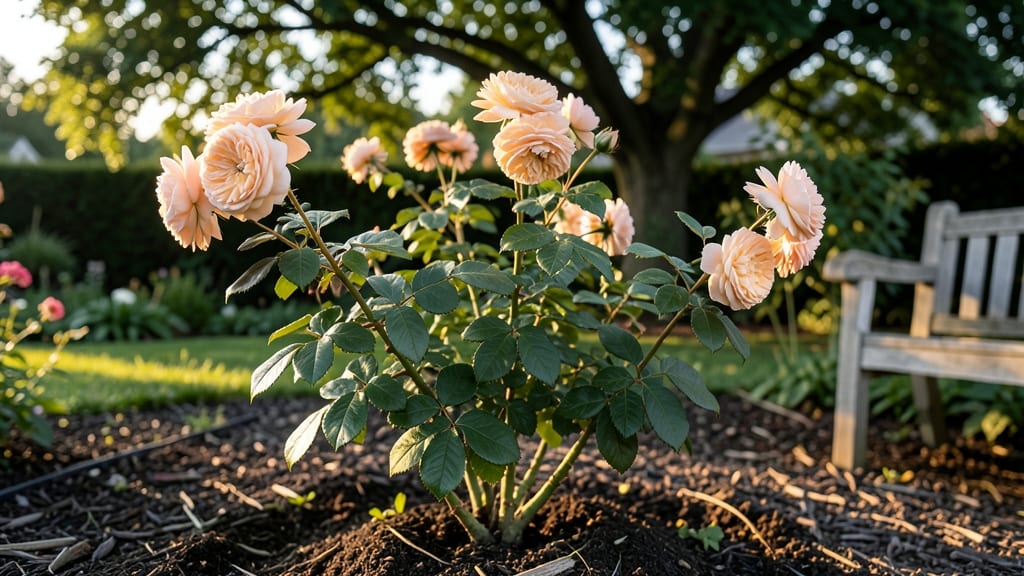
The Sahara rose flower thrives where others wilt—its thick, succulent stems store water like a desert survivalist. 🌵 I’ve grown these striking plants for years, and their velvety blooms always steal the show, even in summer’s peak heat.
What makes them special isn’t just their drought tolerance, but how they reward patience with clusters of pink, red, or white flowers that last for weeks.
You’ll need well-draining soil, a sunny spot (at least 6 hours of direct light daily), and a pot with drainage holes—no fancy equipment required.
These plants handle neglect better than most, but they’ll bloom more prolifically when given a slightly acidic to neutral pH and occasional fertilizer during growing season. The key is mimicking their natural desert habitat: let the soil dry completely between waterings, and avoid soggy roots at all costs.
By late spring, you’ll see those first buds form at the tips of the thick stems, followed by show-stopping blooms that attract hummingbirds. Even in winter, with proper care, the Sahara rose stays compact and decorative.
The trade-off? A little extra attention to pests like mealybugs and root rot, but the payoff—those dramatic flowers—makes it worth it.
Perfect for containers, rock gardens, or as a striking houseplant in bright windows. Once established, they’re nearly indestructible, making them ideal for busy gardeners or anyone craving low-maintenance beauty. Let’s get yours thriving!
📚 In This Guide
- What you need
- Instructions
- Tips and common mistakes
- Wrapping up and next steps
What you need
- ● Sahara rose flower seeds: 50–100 seeds (organic, non-GMO preferred for best results).
- ● Well-draining potting mix: 10–15 lbs (for containers) or amend garden soil with perlite/sand (70% soil, 30% perlite or coarse sand).
- ● Containers or garden bed: Containers: 6–8-inch pots (1–2 plants per pot) with drainage holes.
- ● Garden bed: Full sun exposure (6+ hours/day) and loose, rocky soil (mimics desert conditions).
- ● Slow-release fertilizer: 1 lb (10-10-10 NPK ratio) or compost (for organic enrichment).
- ● Mulch: 2–3 inches of gravel or pebbles (to retain moisture and deter weeds).
- ● Hand trowel or transplanting spade (for planting seeds/seedlings).
- ● Watering can or hose with a gentle spray nozzle (avoid overwatering!).
- ○ Gloves (optional, for handling prickly stems or soil).
- ● Pruning shears (for trimming dead blooms or overgrowth).
- ○ pH testing kit (optional but helpful—ideal soil pH: 6.0–7.0).
- ● Grow lights (for indoor starters or low-light conditions).
- ● Epsom salt (1 tbsp/month for magnesium boost).
- ● Drip irrigation system (for automated, drought-friendly watering).
- ● Desert-themed decor (like terracotta pots or succulent companions!).
Step-by-step instructions for cultivating Sahara Rose flowers
Here's how to coax these drought-defying beauties into full, vibrant bloom—even in challenging climates.
🌱 Step 1: Select the Perfect Desert-Adapted Soil Mix
Sahara roses thrive in fast-draining, mineral-rich soil that mimics their native desert conditions. Combine 50% cactus/succulent mix with 30% coarse sand and 20% perlite to create a gritty, aerated medium that prevents root rot. I always add a handful of pumice to the mix—it improves drainage while retaining just enough moisture for those deep taproots.
Fill your 6-inch diameter container (or larger for multiple plants) with this blend, leaving 1 inch of space at the top for watering. Tap the container gently on the table to settle the mix without compacting it. The goal is a soil structure that looks like coarse sand with tiny air pockets—you should be able to push your finger in 2 inches deep without resistance.
☀️ Step 2: Position for Maximum Sun Exposure
Sahara roses demand full sun exposure—at least 8-10 hours daily—to trigger their signature blooms. Place your container in the southernmost spot of your garden or patio, where it receives unfiltered sunlight from mid-morning to late afternoon. If growing indoors, position it within 12 inches of a south-facing window or supplement with a 15-watt LED grow light for 12 hours daily.
Here's the thing—these plants will tell you if they're happy. Look for deep green, waxy leaves and bright yellow blooms as your success signal. If leaves start purpling or drooping, your plant is either too hot or not getting enough light. Move it to a spot with partial afternoon shade during extreme heat waves (above 95°F).
💧 Step 3: Master the Desert Watering Technique
Overwatering is the fastest way to kill Sahara roses. Instead of a light misting, soak the soil deeply every 7-10 days until water runs freely from the drainage hole. Let the soil dry out completely between waterings—stick your finger 2 inches deep into the soil. If it feels dry, it's time to water. If it's still damp, wait 2-3 more days.
I use the "drown and dry" method: water until the entire root ball is saturated, then wait until the top 3 inches of soil feel bone-dry before repeating. This mimics their natural desert cycles and prevents root suffocation. During winter months (below 50°F), reduce watering to every 14-21 days—these plants enter a natural dormancy period.
✂️ Step 4: Prune for Bushier Growth and Prolonged Blooms
Pruning isn't just about shaping—it's about encouraging more flowers and stronger stems. After the first flush of blooms fades, use clean, sharp pruners to trim back one-third of the longest stems to just above a leaf node. This forces the plant to branch out instead of growing leggy. I always prune in the early morning when the plant is fully hydrated—you'll see new side shoots emerge within 7-10 days.
Deadhead spent blooms by pinching off the entire flower stem at its base. This redirects the plant's energy into producing new buds rather than seed pods. Skip this step, and you'll get fewer blooms over time. For a continuous display, prune lightly every 4-6 weeks during the growing season—just enough to maintain shape and remove dead growth.
🪴 Step 5: Fertilize Strategically for Desert Conditions
Sahara roses don't need heavy feeding—they prefer light, infrequent nutrients. Mix ½ teaspoon of 10-10-10 slow-release fertilizer into the top 2 inches of soil at planting time. This provides a 3-month nutrient reserve without risking root burn. During the active growing season (spring through fall), apply a diluted liquid fertilizer (½ strength) once every 6 weeks—never more frequently.
Here's where most gardeners go wrong: they over-fertilize, leading to soft, weak growth that's prone to pests. If you notice yellowing leaves or stunted growth, flush the soil by watering deeply 3 times in succession to leach out excess salts. These plants are adapted to nutrient-poor soils, so less is always more. A light pink flush in the leaves signals healthy growth—any darker, and you're overdoing it.
Tips & tricks for perfect Sahara Rose flower cultivation
These desert-adapted beauties reward patience and precision—here's how to give them exactly what they need to thrive.
Soil Structure Secret: When mixing your 50% cactus/succulent blend with 30% coarse sand and 20% perlite, sift each component separately to eliminate clumps. The goal is a texture resembling wet sand—if it feels gritty when squeezed, you're on the right track. For containers larger than 6 inches, increase perlite to 25% to prevent compaction in deeper soil layers. This airy structure prevents the root rot that claims so many desert plants.
Lighting Strategy: The 8-10 hours of full sun requirement means positioning matters more than most gardeners realize. If your outdoor space gets afternoon shade after 3 PM, move the plant to a morning sun location instead—these roses prioritize morning light for photosynthesis. For indoor growers, rotate your 15-watt LED grow light weekly to prevent lopsided growth. The light should be positioned 12 inches away but angled slightly to avoid direct leaf burn.
Watering Wisdom: That 7-10 day watering interval is a guideline, not a rule. Test soil moisture by inserting a wooden skewer 2 inches deep—if it emerges clean, water thoroughly. The "drown and dry" method works best when you water until liquid flows freely from the drainage hole, then wait until the top 3 inches feel completely dry. During summer heat waves (above 95°F), increase the interval to every 12-14 days—these plants actually thrive with less frequent, deeper watering.
Pruning Precision: When trimming back one-third of the longest stems in Step 4, make cuts at a 45-degree angle just above a leaf node. This angled cut prevents water from pooling on the stem, reducing disease risk. For continuous blooms, prune lightly every 4-6 weeks during active growth—focus on removing only the oldest stems first. The early morning timing recommendation is crucial because plants are fully turgid then, making clean cuts easier and reducing stress.
Pro Tips for Sahara Rose Flower
- These desert-adapted beauties reward patience and precision—here's how to give them exactly what they need to thrive.
- Soil Structure Secret: When mixing your 50% cactus/succulent blend with 30% coarse sand and 20% perlite, sift each component separately to eliminate clumps.
- Lighting Strategy: The 8-10 hours of full sun requirement means positioning matters more than most gardeners realize.
Frequently asked questions
Got questions about growing your own Sahara Rose Flower? We’ve got answers!
Whether you’re a beginner or a seasoned gardener, these FAQs will help you cultivate stunning desert blooms with ease.
What’s the best climate for growing Sahara Rose Flowers?
The Adromischus cristatus (commonly called Sahara Rose) thrives in USDA Hardiness Zones 9-11 and loves hot, dry climates. If you live in cooler areas, grow it as a houseplant—just place it near a sunny window or under grow lights. Avoid frost; this desert beauty hates cold temperatures!
How long does it take for Sahara Rose Flowers to bloom?
With proper care, Sahara Rose Flowers can bloom year-round in ideal conditions, but expect the first flowers in 6-12 months from planting. Patience is key—ensure it gets bright light (6+ hours/day) and well-draining soil. Pro tip: A little stress (like slight underwatering) can trigger blooming!
How often should I water my Sahara Rose Flower?
Water sparingly—this succulent stores moisture! Let the soil dry out completely between waterings (about every 2-3 weeks in summer, less in winter). Overwatering is the #1 killer—yellow leaves = too much love! Use a pot with drainage holes to prevent root rot.
Can I grow Sahara Rose Flowers in containers, and what soil should I use?
Containers are perfect for this compact plant. Use a well-draining cactus/succulent mix (add perlite or pumice for extra airflow). A 6-inch pot is ideal for young plants, but they can grow up to 12 inches over time. Bonus: Mix in a little sand to mimic their desert home!
What pests should I watch for, and how do I treat them?
Sahara Rose Flowers are tough, but mealybugs, aphids, or spider mites can still show up. Isolate the plant if you spot pests, then wipe leaves with rubbing alcohol (70% isopropyl) or spray with neem oil. For severe infestations, repeat treatment every 5-7 days.
Can I propagate Sahara Rose Flowers, and how?
Yes! The easiest way is leaf cuttings:
- Gently twist off a healthy leaf (don’t snap it—this can damage the plant).
- Let it callus for 1-2 days (place it in a dry, shaded spot).
- Plant the leaf in well-draining soil and keep it bright and warm.
- Roots should form in 4-6 weeks—be patient!
Wrapping up and next steps
The Sahara Rose isn’t just a flower—it’s a bold statement of resilience and beauty, thriving where others falter. With the right care, you can unlock its year-round magic, turning your space into a desert oasis that blooms with effortless charm.
Whether you’re a seasoned gardener or a curious beginner, this vibrant plant rewards patience with stunning color and low-maintenance joy.
Ready to bring the desert to life? Start by grabbing your Sahara Rose cuttings or seeds, then dive into creating the perfect growing conditions. Your future blooms—and your neighbors’ green envy—will thank you! 🌵✨