
Flowers
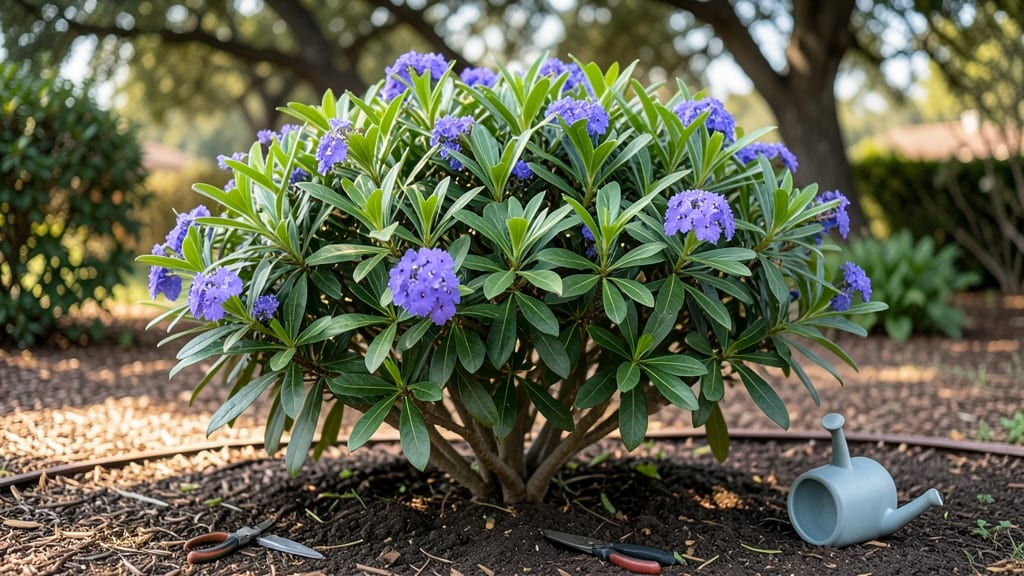
The princess flower bush (Tibouchina urvilleana) turns Pacific Northwest gardens into vibrant canvases with its velvety purple blooms and glossy green leaves. I fell for this plant after seeing it thrive in a friend’s rain-soaked yard—it handled our region’s damp winters and bright summers like a champ.
The key lies in its adaptability: it’s not just another pretty face, but a hardy bush that rewards patience with months of color.
You’ll need a spot with morning sun and afternoon shade, well-draining soil (amend heavy clay with compost), and occasional watering once established. Princess flowers hate soggy roots, so raised beds or slopes work best in wet climates.
Fertilize lightly in spring with balanced 10-10-10—overfeeding leads to lush foliage but fewer blooms. The real magic happens when you prune after flowering to maintain shape and encourage next year’s blooms.
By summer, your bush will be a showstopper with clusters of purple flowers that hum with bees and butterflies. The foliage stays lush even in winter, providing year-round structure. It’s perfect for borders, containers, or as a focal point—just give it space to grow 6-10 feet wide.
The trade-off? Some gardeners report powdery mildew in humid summers, but a fungicide spray keeps it at bay.
Start with cuttings in spring for fastest results, or sow seeds indoors 8-10 weeks before last frost. Either way, this bush delivers low-maintenance drama that outshines most annuals.
Once it’s settled in, it’s basically a set-it-and-forget-it star—with occasional pruning and water checks, of course. Ready to add some royal color to your garden?
📚 In This Guide
- What you need
- Instructions
- Tips and common mistakes
- Wrapping up and next steps
What you need
- ● Princess Flower Bush Plant: 1-3 bare-root or potted plants (size depends on desired maturity—smaller for quick results, larger for instant impact).
- ● Well-draining soil: Mix of native soil + compost (or 60% topsoil, 30% compost, 10% perlite/sand for heavier clay soils).
- ● Mulch: 2-3 inches of organic mulch (e.g., wood chips, bark, or pine straw) to retain moisture and regulate temperature.
- ● Fertilizer: Balanced fertilizer (10-10-10 or 20-20-20): 1-2 tbsp per plant at planting time.
- ● Slow-release granular fertilizer (e.g., 13-13-13): 1 lb per plant in early spring.
- ● Garden trowel or shovel
- ● Garden gloves (for protection)
- ● Watering can or hose with a gentle spray nozzle
- ● Pruning shears (sterilized with rubbing alcohol)
- ● Measuring tape or ruler (for spacing)
- ○ Optional: Soil pH test kit (ideal pH: 5.5–6.5 for optimal growth)
- ○ Optional: Drip irrigation system (for consistent moisture in dry spells)
- ● Sunlight: Full sun (6+ hours/day)—ideal for Pacific Northwest’s partial shade spots with morning sun.
- ● Space: 10–15 feet apart (mature width) or 5–6 feet for smaller varieties.
- ● Water access: Regular watering (1–2 gallons per week) until established (first 2 years).
- ● Pro Tip: 🌡️ Best planting time: Early spring or fall (avoid extreme heat or frost).
Step-by-Step instructions for planting and caring for princess flower bushes
This hardy Pacific Northwest favorite thrives with minimal fuss once you nail the basics.
🌱 Step 1: Choose the Perfect Planting Location
Princess flower bushes (Tibouchina urvilleana) crave bright, indirect light with 4-6 hours of morning sun—critical for their vibrant foliage and blooms. In the Pacific Northwest's often-overcast climate, position them near a south- or east-facing window or under dappled shade from larger trees. The key is avoiding harsh afternoon sun, which can scorch leaves.
Test your spot by observing how light behaves throughout the day. If leaves develop yellow patches or crisp edges, move the plant to a slightly shadier area. These bushes tolerate some shade but will produce fewer flowers in low-light conditions. Well-drained soil is non-negotiable—this plant despises soggy roots.
🪴 Step 2: Prepare the Soil and Plant Correctly
Amend your native soil with 2-3 inches of organic compost before planting to improve drainage and fertility. Princess flower bushes prefer slightly acidic to neutral soil (pH 6.0-7.0). If your soil is heavy clay, mix in 1 part perlite or coarse sand to every 3 parts native soil to prevent compaction.
Dig a hole twice as wide as the root ball but only as deep as the container's base. Gently remove the plant from its pot and loosen any circling roots with your fingers. Place it in the hole so the top of the root ball sits level with the surrounding soil—burying too deep suffocates the stem. Backfill with native soil mix, pressing lightly to eliminate air pockets.
☀️ Step 3: Water Establish and Maintain Proper Care
Water deeply once a week during the first 4-6 weeks after planting to encourage root growth. You'll know it's enough when water drains through the bottom of the hole. After establishment, water only when the top 2 inches of soil feel dry—overwatering is the fastest way to kill these plants. In the Pacific Northwest's humid climate, morning watering prevents fungal issues.
Fertilize once in early spring with a balanced 10-10-10 formula (follow package rates) to support blooming. Avoid high-nitrogen fertilizers—they promote leafy growth at the expense of flowers. Mulch with 2-3 inches of shredded bark around the base (keeping it 3 inches away from the stem) to retain moisture and regulate soil temperature.
✂️ Step 4: Prune for Shape and Encourage Blooms
Prune immediately after flowering (late summer) to shape the bush and remove any dead, diseased, or crossing branches. Use clean, sharp pruners to make cuts just above a leaf node at a 45-degree angle. This encourages bushier growth and more abundant blooms next season. Never prune into old wood—new growth only comes from current-year stems.
If your princess flower bush grows too leggy, cut back one-third of the longest stems to a strong side branch. This forces energy into lateral growth rather than tall, weak stems. In the Pacific Northwest's mild winters, no winter pruning is needed—these bushes are naturally cold-hardy down to 15°F.
Tips & tricks for perfect princess flower bush growth
These pro insights will help your Pacific Northwest princess flower bush thrive with vibrant color and minimal stress.
Light Optimization: The 4-6 hours of morning sun mentioned in Step 1 is non-negotiable for those signature purple blooms. In cloudy PNW days, supplement with a grow light for 2-3 hours daily if natural light drops below 4 hours. I've seen plants in north-facing windows struggle—watch for pale leaves as your first warning sign. Rotate the pot occasionally so all sides get even light exposure, preventing lopsided growth.
Soil Science: That 2-3 inches of organic compost in Step 2 isn't just about fertility—it's about creating the perfect air-to-water ratio. For heavy clay soils common in the Pacific Northwest, I recommend adding 1 part coconut coir to your perlite mix. The coir holds moisture while the perlite prevents compaction, giving you the ideal balance for these tropical natives. Test your soil's pH before planting—if it's below 6.0, add dolomitic lime to reach that neutral sweet spot.
Watering Wisdom: The deep weekly watering in Step 3 should always be done at soil level, not overhead. Use a moisture meter to verify the top 2 inches are dry before watering again—these plants hate soggy roots. In summer, I increase watering to twice weekly but always check first. Morning watering is critical in our humid climate—it gives leaves time to dry before evening, preventing fungal issues that can turn leaves yellow and crispy.
Pruning Precision: When pruning in late summer as directed, focus on removing stems that cross or rub against others—this prevents wounds that invite disease. Make your cuts just above a leaf node at a 45-degree angle to maximize surface area for new growth. I've found that cutting back one-third of the longest stems stimulates bushier growth, but only do this if the plant has clearly outgrown its space. Never prune into old wood unless you want to sacrifice next year's blooms.
Pro Tips for Princess Flower Bush
- These pro insights will help your Pacific Northwest princess flower bush thrive with vibrant color and minimal stress.
- Light Optimization: The 4-6 hours of morning sun mentioned in Step 1 is non-negotiable for those signature purple blooms.
- Soil Science: That 2-3 inches of organic compost in Step 2 isn't just about fertility—it's about creating the perfect air-to-water ratio.
Frequently asked questions
Got questions about growing and caring for your Princess Flower Bush? You’re not alone—this stunning Pacific Northwest favorite has a few quirks! Here are answers to the most common queries to keep your bush thriving with year-round color.
How fast does a Princess Flower Bush grow, and how big will it get?
A Princess Flower Bush (Lagerstroemia 'Tuscarora') grows at a moderate pace, adding about 12–24 inches per year. With proper care, it typically matures to 10–15 feet tall and 8–12 feet wide. Prune in late winter to control size and encourage bushier growth.
When is the best time to plant a Princess Flower Bush in the Pacific Northwest?
The ideal planting window is early spring (March–April) or fall (September–October), when soil temps are cool but not freezing. Avoid summer heatwaves, which can stress young roots. Amend clay-heavy PNW soil with compost for better drainage—these bushes hate soggy feet!
Why aren’t my Princess Flower Bush leaves changing color in autumn?
If your bush skips its showstopping fall foliage, check these fixes:
Pro tip: Mulch with wood chips to retain moisture and nutrients. Yes! While they’re dramatic in gardens, Princess Flower Bushes thrive in large containers (20+ gallons) with:
Warning: Containers dry out faster—monitor soil moisture closely! While not fully deer-proof, their bitter bark and foliage often deter browsing. For pests:
Prevention tip: Keep your bush healthy and well-watered to boost natural pest resistance.
Can I grow a Princess Flower Bush in a container, or is it strictly a landscape plant?
Are Princess Flower Bushes deer-resistant? What pests should I watch for?
Wrapping up and next steps
The Princess Flower Bush is a stunning, low-maintenance gem for Pacific Northwest gardens, offering vibrant blooms and evergreen foliage year-round. With the right soil, sunlight, and care, you’ll enjoy its Lagerstroemia charm for decades—plus, its drought-tolerant nature makes it a true thriver in your landscape. 🌸
Ready to transform your outdoor space? Start by selecting your favorite variety—whether it’s the classic pink or a bold purple—and plant it this season! Whether you’re a seasoned gardener or a beginner, this bush will reward your efforts with breathtaking color and minimal fuss.