Flowers
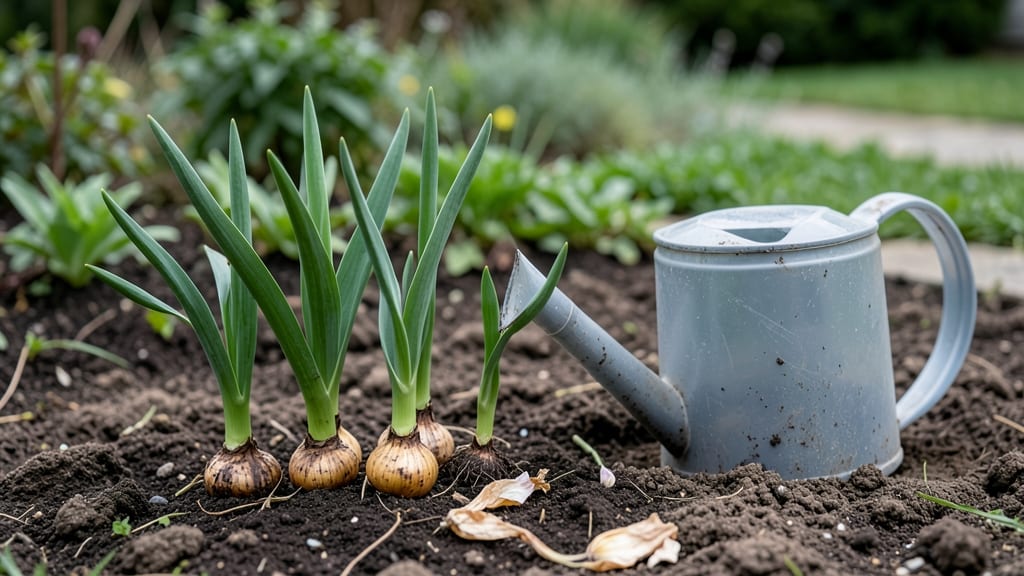
Planting flowers by the season isn’t just about timing—it’s about unlocking a garden that bursts with color every month. ✨ My first attempt at year-round blooms ended with a sad winter garden, but I learned that strategic planting turns seasonal shifts into opportunities, not challenges.
The key is matching flowers to their natural rhythms: cool-season stars like pansies and snapdragons in early spring, sun-loving zinnias in summer, and hardy mums for fall’s crisp air. Even winter gets its moment with hellebores and winter jasmine.
You’ll need just three core strategies: spring prep (soil enrichment, early bloomers), summer succession (fast-growing annuals to fill gaps), and fall/winter protection (mulch, evergreens for structure). Most home gardeners overlook the fall planting window—this is when perennials like asters and chrysanthemums establish roots for next year’s show.
I’ve seen gardens that look bare in winter transform into vibrant displays by simply planning ahead for these transitions.
What you’ll end up with is a garden that never skips a beat: spring’s delicate blooms, summer’s bold pops, and fall’s fiery hues—all without gaps. The secret isn’t buying more plants; it’s knowing which ones thrive when others fade.
You’ll also cut back on deadheading and soil fatigue because each season’s flowers are already primed for their moment in the sun.
This works for containers, borders, or full yards—just adjust spacing and sun exposure. Whether you’re in a mild climate or a cold zone, the principles stay the same. Let’s turn your garden into a calendar of color, one season at a time.
📚 In This Guide
- What you need
- Instructions
- Tips and common mistakes
- Wrapping up and next steps
What you need
- ● Seasonal flower seeds or bulbs: Choose varieties suited to your climate and preferred bloom times (e.g., tulips for spring, marigolds for summer, or pansies for fall). Aim for 1-2 lbs of seeds or 50-100 bulbs per 100 sq. ft.
- ● Potting soil or garden soil: Opt for high-quality, well-draining soil (e.g., Miracle-Gro Potting Mix or compost-amended garden soil). You’ll need at least 5-10 gallons per planting session.
- ● Fertilizer: Use a balanced, slow-release fertilizer (10-10-10) or organic options like compost or worm castings. 1 lb per 100 sq. ft. is a good starting point.
- ● Mulch: Organic mulch (e.g., straw or shredded bark) to retain moisture and regulate soil temperature. 2-3 inches spread evenly over planted areas.
- ● Hand trowel or transplanting spade: For digging small holes (6-inch depth for bulbs/seeds). A stainless-steel trowel is durable and easy to clean.
- ● Garden gloves: Protect your hands with nitrile-coated gloves for grip and durability.
- ● Watering can or hose with adjustable nozzle: A 1-gallon watering can or soaker hose ensures gentle, even watering.
- ○ Pruners (optional): For trimming dead foliage or shaping plants. Bypass pruners are ideal for clean cuts.
- ○ Plant markers (optional): Label seeds/bulbs with biodegradable tags or sticks to track varieties and planting dates.
- ● Sunlight assessment: Identify areas with full sun (6+ hours/day), partial shade (3-6 hours), or full shade (<3 hours)—most seasonal flowers thrive in full sun!
- ● Weather check: Plant bulbs in fall (6-8 weeks before frost), seeds in spring (after last frost), and annuals in late spring/summer (when soil is warm).
- ● Space planning: Research mature plant sizes to avoid overcrowding. 12-24 inches apart is standard for most flowers.
How to plant flowers for year-round beauty in 3 strategic seasons
Here's the foolproof system I've used for decades to keep blooms coming nonstop.
🌱 Step 1: Plan Your Spring Planting for Bold Early Color
Start with cool-season annuals like pansies, snapdragons, and sweet alyssum—they thrive when daytime temps hit 50-65°F. These plants tolerate light frosts and give you instant color while summer bloomers get established. I always plant mine 4-6 weeks before last frost date, usually in late March or early April in most climates.
Choose a location with 6+ hours of sun daily—most spring flowers need full sun to produce their best blooms. Amend the soil with 2-3 inches of compost (mixed into the top 6 inches) to give roots a nutrient boost. The key here is timing: plant too early and cold snaps will damage tender growth; too late and you miss the early spring show.
☀️ Step 2: Summer Planting for Continuous Blooms Through Fall
This is where you swap out spring's fading annuals for heat-loving varieties like zinnias, cosmos, and marigolds. I make the transition when daytime temps consistently stay above 70°F, typically in late May or early June. These plants need full sun exposure and well-draining soil—if your garden holds water, add 1 part perlite to 3 parts potting mix when planting.
Here's the trick: stagger your planting dates by 2-3 weeks between varieties. Start with heat-tolerant zinnias, then add cosmos when temps hit 80°F, and finish with sunflowers. This creates a rolling bloom effect that keeps your garden vibrant through September and October. Water deeply 2-3 times per week until plants establish roots (about 3-4 weeks).
🍂 Step 3: Fall Planting for Winter Interest and Early Spring Prep
Don't let your garden go dormant in fall—plant winter-blooming pansies, ornamental kale, and crocuses for year-round color. I start this phase when daytime temps drop below 75°F, usually in September. These plants need well-draining soil to prevent rot in winter's wet conditions, so mix in 1 inch of coarse sand if your native soil is heavy clay.
For a head start on next spring, tuck in spring-blooming bulbs like tulips and daffodils after the first frost. Plant them 6-8 inches deep and 6 inches apart—the cold helps them develop strong roots for next year's blooms. Mulch heavily with 3-4 inches of straw to protect roots from freeze-thaw cycles. This fall planting gives you winter color while preparing for next year's spring display.
Tips & tricks for perfect seasonal flower planting
These practical strategies will help you maximize your year-round garden without the guesswork.
Temperature Timing: Pay close attention to those temperature thresholds—50-65°F for spring planting is your sweet spot for cool-season annuals. I've learned the hard way that planting too early when nighttime temps still dip below freezing can shock tender seedlings. Use a local frost calendar to pinpoint your 4-6 week window before last frost, and consider using row covers if you need to extend your spring season by a few weeks.
Soil Preparation Strategy: When amending your soil with 2-3 inches of compost in spring, don't just scratch it on top—mix it into the top 6 inches of soil. This creates a nutrient-rich zone where roots can thrive. For summer plantings, if your soil holds water, the 1 part perlite to 3 parts potting mix ratio is crucial for preventing root rot in heat-loving varieties like zinnias and cosmos.
Seasonal Transition Technique: The key to continuous blooms is that 2-3 week stagger between summer varieties. I recommend planting zinnias first when temps hit 70°F, then adding cosmos when they reach 80°F. This creates that beautiful rolling bloom effect that keeps your garden vibrant through fall. Mark your calendar when temps consistently stay above 70°F—that's your cue to start the summer transition.
Winter Protection Hack: For fall plantings, that 1 inch of coarse sand in heavy clay soil makes all the difference in preventing winter rot. And don't skip the 3-4 inches of straw mulch—it's not just for looks. This thick layer insulates roots from freeze-thaw cycles while allowing moisture to penetrate. I've seen pansies survive winter with just this protection, giving you early spring color.
Pro Tips for Seasonal Flower Planting
- These practical strategies will help you maximize your year-round garden without the guesswork.
- Temperature Timing: Pay close attention to those temperature thresholds—50-65°F for spring planting is your sweet spot for cool-season annuals.
- Soil Preparation Strategy: When amending your soil with 2-3 inches of compost in spring, don't just scratch it on top—mix it into the top 6 inches of soil.
Frequently asked questions
Got questions about seasonal flower planting? You’re not alone! Here are some of the most common concerns—and their straightforward solutions—to help you bloom like a pro.
When is the best time to plant seasonal flowers?
The ideal timing depends on your climate and flower type. Cool-season blooms (like pansies or snapdragons) thrive when planted 4–6 weeks before the first frost, while warm-season favorites (e.g., marigolds or zinnias) should go in after the last frost when soil warms to 60°F+. Check your USDA hardiness zone for local guidance!
Can I plant flowers year-round, or are there off-limits months?
Most flowers have a peak planting window, but some—like perennials or hardy annuals—can be tucked in during fall or early spring for spring/summer blooms. Avoid planting tender annuals (e.g., petunias) in extreme heat or frost. Evergreens or bulbs (like tulips) often have separate planting seasons—always check seed packets or local nurseries!
What’s a budget-friendly way to get seasonal flowers without buying expensive plants?
Skip the pricey nursery racks! Try these zero-cost or low-cost hacks:
- Seed swaps: Trade seeds with gardening friends or join local seed libraries.
- Cutting propagation: Root stems from existing flowers (e.g., coleus or mint) in water, then transplant.
- Wildflower seeds: Native mixes (like cosmos or black-eyed Susans) are cheap and attract pollinators.
- Dollar-store pots: Repurpose plastic containers for seedlings to save on starter pots.
My flowers keep dying before they bloom—what am I doing wrong?
Don’t stress! Common culprits include:
- Over/under-watering: Most flowers need 1–1.5 inches of water weekly (check soil moisture—finger-test 1 inch down!).
- Poor drainage: Soggy soil = root rot. Amend clay soil with compost or perlite, or use raised beds.
- Sunlight mismatches: Shade-lovers (e.g., impatiens) wilting in sun? Move them to dappled light.
- Pests/disease: Yellow leaves or holes? Spray with neem oil or introduce beneficial insects like ladybugs.
Pro tip: Start small—test 3–5 plants first to troubleshoot conditions!
Can I mix seasonal flowers with perennials or shrubs?
Layering creates year-round interest. Pair short-lived annuals (e.g., calendula) in front of perennials (like coneflowers) to hide gaps, or tuck them near shrubs (e.g., hydrangeas) for color bursts. Just avoid overcrowding—leave 12–18 inches between plants for airflow and growth.
Wrapping up and next steps
Seasonal flower planting isn’t just about aesthetics—it’s a joyful, year-round celebration of nature’s cycles! By mastering three key timings—spring awakening, summer blooms, and fall/winter prep—you’ll transform your garden into a vibrant, ever-changing masterpiece.
Whether you’re a green thumb or a curious beginner, the right flowers and techniques make the process simple and rewarding.
Ready to dive in? Start small: pick one season to focus on this year, gather your supplies, and let your garden bloom with confidence! 🌸✨ Plan your first planting session today!