
Flowers
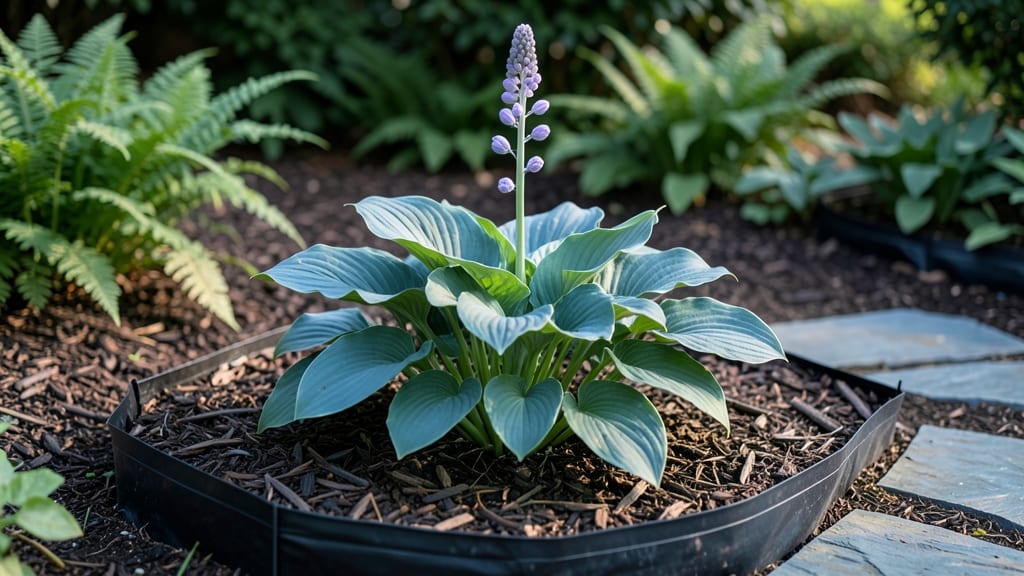
Shade-loving low maintenance perennial flowers are the secret weapon for transforming dark corners into lush, carefree displays. 🌿 I’ve turned my shady backyard into a riot of color without lifting a finger after the initial planting—just water and occasional deadheading.
The right plants make all the difference, and the best ones spread on their own while still looking intentional.
Think hostas with their glossy leaves, heucheras that blaze in fiery reds and purples, and astilbes with feathery plumes that dance in the breeze. These perennials handle anything from dappled light to full shade, and they come back bigger every year.
The soil just needs to drain well—amend with compost if yours is heavy clay—and you’re set for a decade of blooms.
By summer, you’ll have a garden that feels like it belongs in a magazine, not a maintenance log. The foliage stays vibrant all season, and the flowers attract butterflies without the fuss of annuals. Plus, no more wrestling with weeds—these plants grow so densely they crowd out invaders naturally.
Whether you’ve got a north-facing yard, a tree-shaded patio, or just a spot that never gets sun, these perennials will work. Start with three varieties for instant impact, then let them do the rest. Your future self will thank you for skipping the high-maintenance options.
📚 In This Guide
- What you need
- Instructions
- Tips and common mistakes
- Wrapping up and next steps
What you need
- ● Shade-tolerant perennial plants (5–10 plants, depending on garden size): Hosta (e.g., 'Blue Angel' or 'Halcyon') – 3–5 plants
- ● Astilbe (e.g., 'Fanal' or 'Deutschland') – 3–5 plants
- ● Heuchera (Coral Bells) – 3–5 plants
- ● Lungwort (Pulmonaria) – 3–5 plants
- ● Bleeding Heart (Dicentra spectabilis) – 2–3 plants
- ● High-quality potting mix – 2–3 bags (1–2 cubic feet each), amended with compost for drainage.
- ● Organic mulch – 2–3 cubic feet (e.g., shredded bark or pine needles) to retain moisture.
- ● Slow-release fertilizer – 1 bag (10–20 lbs), preferably balanced (10-10-10) or low-phosphorus for shade plants.
- ● Garden trowel or hand shovel – For planting and soil prep.
- ● Garden gloves – 1 pair (to protect hands from soil and sharp edges).
- ● Watering can or hose with a gentle spray nozzle – Essential for post-planting care!
- ● Measuring tape or ruler – To space plants 12–24 inches apart (check plant tags for specifics).
- ○ Optional but helpful: Pruners – For trimming spent blooms or leggy foliage.
- ● Soil pH test kit – To ensure slightly acidic to neutral (6.0–7.0) soil (most shade perennials prefer this).
- ● Drip irrigation system – For automated watering (great for busy gardeners!).
- ● Partial to full shade location – Dappled sunlight to deep shade (2–6 hours of indirect light/day).
- ● Well-draining soil – Amend heavy clay with compost or perlite if needed.
- ● Consistent moisture – Shade plants hate drought, so prioritize watering during dry spells.
- ● Patience! – Some perennials (like Bleeding Heart) may take 1–2 years to fully establish and bloom.
Step-by-Step instructions for planting shade-loving perennial flowers
Here's how to create a thriving shade garden with minimal effort.
🌱 Step 1: Choose the Perfect Shade-Loving Perennials
Start with plants that naturally thrive in low-light conditions. Hostas, ferns, and astilbes are my top picks—they bloom reliably and handle shade beautifully. I always check the plant tags for specific light requirements, as some perennials tolerate shade better than others. For example, hostas need partial shade, while ferns can handle full shade.
You'll want to select plants that match your specific shade conditions. If your area gets dappled sunlight, choose varieties like bleeding heart or lungwort. For deeper shade, consider hellebores or Japanese anemones. These choices ensure your garden will flourish with minimal upkeep once established.
🌿 Step 2: Prepare the Soil for Optimal Growth
Shade gardens need rich, well-draining soil to prevent root rot. I always mix in 2-3 inches of compost to improve fertility and structure. If your soil is heavy clay, add a generous amount of organic matter like peat moss or leaf mold to lighten it up. Work the amendments into the top 12 inches of soil.
Don't skip this step—poor soil is the biggest reason shade plants struggle. Test your soil's pH too; most shade perennials prefer slightly acidic to neutral soil (pH 6.0-7.0). If your soil is too alkaline, add sulfur or pine needles to adjust it gradually. The goal is soil that holds moisture but drains well.
☀️ Step 3: Plant at the Right Depth and Spacing
Dig holes twice as wide as the root ball but only as deep as the container. This encourages roots to spread outward rather than settling too deep. Gently remove the plant from its container and loosen any circling roots with your fingers. I always water the root ball before planting to help settle the soil around the roots.
Space perennials according to their mature size—crowding leads to competition for nutrients and water. Most shade plants need 18-24 inches between each plant. For example, hostas can spread 2-3 feet wide, so give them room to grow. Plant in early spring or fall when temperatures are mild and plants can establish roots without stress.
💧 Step 4: Water Deeply and Mulch for Retention
After planting, water deeply to eliminate air pockets and help roots make contact with the soil. I like to water until the soil is 6 inches deep and moist—this encourages deep root growth. For the first 2-3 weeks, keep the soil consistently moist but not soggy. Once established, shade perennials are drought-tolerant, but young plants need regular watering.
Spread 2-3 inches of mulch (like shredded bark or wood chips) around each plant, keeping it 2 inches away from the stem. Mulch helps retain moisture, suppresses weeds, and regulates soil temperature. Replenish mulch annually as it breaks down. This step is crucial for low-maintenance success—mulch does most of the heavy lifting for you.
⏰ Step 5: Maintain with Minimal Effort
Once established, shade perennials need very little care. I remove spent blooms in early summer to encourage more flowers, but even that's optional. Fertilize lightly in spring with a balanced, slow-release fertilizer (like 10-10-10) if your soil isn't rich. Over-fertilizing can lead to excessive leaf growth at the expense of blooms.
Watch for pests like slugs or snails, especially in damp shade. A few beer traps or copper barriers can keep them at bay without chemicals. Divide clumping perennials like hostas every 3-4 years in early spring to keep them vigorous. With this approach, your shade garden will thrive with almost no effort after the initial setup.
Tips & tricks for perfect shade-loving perennial gardens
These garden-friendly secrets will help you create a lush, low-maintenance shade garden that blooms beautifully year after year.
Plant Selection Strategy: When choosing perennials for your shade garden, look for varieties labeled as "partial shade" or "full shade" on the plant tags. I've found that hostas and ferns are the most forgiving for beginners—they'll still grow if you accidentally plant them in slightly more light than ideal. For deeper shade areas, hellebores and Japanese anemones are my go-to choices because they thrive where others struggle.
Soil Preparation Insight: The 2-3 inches of compost mentioned in Step 2 is non-negotiable for shade gardens. I've seen struggling shade plants transform completely after this simple amendment. For heavy clay soil, mix in equal parts compost and peat moss—this creates the perfect balance of moisture retention and drainage. Remember, the goal is soil that holds moisture but drains well, preventing root rot while keeping roots hydrated.
Planting Depth Technique: In Step 3, when digging holes, make them twice as wide as the root ball but only as deep as the container. This might seem counterintuitive, but it encourages roots to spread outward rather than settling too deep. I always water the root ball before planting—this helps settle the soil around the roots and eliminates air pockets that could prevent proper root contact with the soil.
Mulching Mastery: The 2-3 inches of mulch mentioned in Step 4 is your secret weapon for low-maintenance success. I recommend using shredded bark or wood chips because they break down slowly and improve soil structure over time. Keep the mulch 2 inches away from the stem to prevent rot—this small detail makes a big difference in plant health. Replenish mulch annually as it breaks down to maintain its protective benefits.
Pro Tips for Shade Low Maintenance Perennial Flowers
- These garden-friendly secrets will help you create a lush, low-maintenance shade garden that blooms beautifully year after year.
- Plant Selection Strategy: When choosing perennials for your shade garden, look for varieties labeled as "partial shade" or "full shade" on the plant tags.
- Soil Preparation Insight: The 2-3 inches of compost mentioned in Step 2 is non-negotiable for shade gardens.
Frequently asked questions
Got questions about shade-loving, low-maintenance perennials?
You’re not alone! Here are answers to the most common queries to help you pick and grow the perfect zero-fuss flowers for your shady spots.
What are the easiest shade perennials for beginners?
Start with hostas, heucheras, or bleeding hearts—they’re tough, forgiving, and bloom reliably with minimal care. For bold color, try astilbes or coral bells (heucheras). These thrive in partial to full shade and handle neglect like pros!
How long does it take for shade perennials to establish?
Most shade perennials take 1–2 years to fully establish, but some like hostas or ferns may bloom in their first year. Be patient! Consistent moisture (but not soggy soil) speeds up root growth. Mulch helps retain moisture and protects roots in winter.
Do shade flowers need extra care during droughts?
Yes, but not much! Most shade perennials have deep roots and store water well. Water deeply 1–2 times per week during dry spells (check soil 2 inches down—if it’s dry, water). Drip irrigation or soaker hoses work best to avoid leaf diseases. Hosta and astilbe are especially drought-tolerant once established.
Can I mix shade perennials with annuals for more color?
Pair perennials like heucheras (with their stunning foliage) with shade-tolerant annuals like impatiens, begonias, or fuchsias for seasonal pops of color. Just ensure annuals get enough light—they’re less forgiving than perennials. Rotate annuals yearly to keep your shade garden fresh!
What’s the best way to prevent pests in shade gardens?
Shade gardens attract fewer pests, but slugs and deer may still visit. Use organic slug bait (like iron phosphate) or beer traps for slugs. For deer, try hostas with thick leaves (less appealing) or plant foxglove (mildly toxic to them). A 1-inch layer of mulch also deters pests by hiding eggs.
How do I divide overgrown shade perennials?
Divide perennials like hostas or astilbes in early spring or fall. Dig up the clump, gently separate roots with a knife, and replant sections 12–18 inches apart. Water well after transplanting. Overcrowding reduces blooms and invites disease, so divide every 3–5 years.
Wrapping up and next steps
Transforming your shady spots into a vibrant, low-maintenance garden is easier than you think! With the right shade-loving perennials—like hostas, heucheras, and astilbes—you can enjoy stunning blooms year after year with minimal effort.
These hardy plants not only thrive in low light but also repel pests, attract pollinators, and add texture and color to your outdoor space.
Ready to take the next step? Start small: Pick 2-3 perennials that suit your shade level and soil, then gradually expand your garden. Before you know it, you’ll have a lush, thriving oasis that feels like a well-kept secret—no fuss, all beauty! 🌿✨