
Flowers
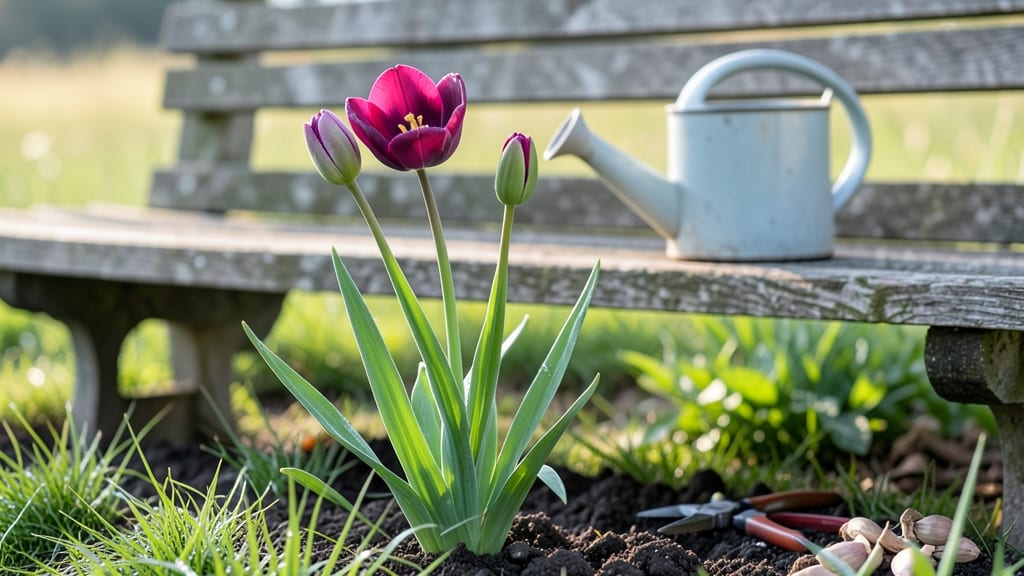
Capturing spring flower pics in the Pacific Northwest means chasing blooms that defy frost and steal the show. 🌸 The region’s chill mornings and damp air create the perfect stage for hardy varieties like Tardiva tulips, which burst into color weeks before their cousins, and Iris reticulata, whose velvety blooms brave even late snow.
These aren’t just pretty faces—they’re nature’s way of announcing spring’s arrival, often when other gardens are still buried under blankets of frost.
The magic happens between late February and April, when the air smells like damp earth and the first bees wake up. You’ll spot yellow daffodils nodding in the breeze, purple crocuses peeking through lawns, and bleeding hearts unfolding their lace-like leaves.
These flowers aren’t just frost-resistant—they’re seasonal storytellers, marking the slow thaw with each new bloom. The Pacific Northwest’s unique climate means you can push blooming times by choosing varieties like ‘Siberian Pearl’ snowdrops or ‘Ice Follies’ daffodils, which thrive even in Zone 6’s chilliest pockets.
Photographing them is easier than you think—just time your shots for soft morning light when dew clings to petals. A macro lens captures the intricate veins of ‘Queen of Night’ tulips, while a wide shot frames the drama of ‘Glacier Blue’ irises against misty backdrops.
The key? Get down to their level and wait for the golden hour when colors pop like fresh paint. Your photos will do more than document blooms—they’ll inspire next year’s garden plan.
Whether you’re a seasoned gardener or just starting, these flowers make planning effortless. Plant early bloomers like crocuses in fall for winter interest, then follow with tulips and daffodils in late winter. The result?
A nonstop spring parade that keeps your camera rolling—and your neighbors green with envy. Grab your lens and let’s make this the year your garden becomes the star of the show.
📚 In This Guide
- What you need
- Instructions
- Tips and common mistakes
- Wrapping up and next steps
What you need
- ○ Camera or smartphone: A DSLR/mirrorless with manual settings (optional but ideal) or a modern smartphone with at least 12MP (e.g., iPhone 13+, Google Pixel 7+).
- ● Tripod or monopod: Lightweight, extendable (e.g., Joby GorillaPod for flexibility) to stabilize shots in windy PNW conditions.
- ○ External lens (optional): Wide-angle lens (10-24mm) for sweeping landscapes.
- ● Macro lens (50-105mm) to capture delicate petals and textures.
- ● Reflector (5-in-1, 20" x 28") to bounce light into shaded areas and enhance colors.
- ○ Polarizing filter (optional): Reduces glare from water or foliage for crisp, vibrant blooms.
- ● Gloves & knee pads: Protect hands and knees from damp PNW terrain (e.g., Gardener’s Dream cactus gloves).
- ● Portable water spray bottle (8oz): Light misting can make petals glisten in sunlight.
- ● Small pruners or shears: For trimming stems to desired lengths (e.g., Fiskars bypass pruners).
- ● Notebook & pen: Sketch locations or jot down lighting notes for repeat visits.
- ● Weather prep: Check NOAA forecasts—morning shoots (6–9 AM) avoid afternoon rain.
- ● Rain gear: Compact umbrella (e.g., Think Tank Hydrophobic) or a waterproof jacket.
- ● Battery & storage: Extra battery pack (e.g., Anker PowerCore) and 256GB+ SD card for RAW files.
How to select and plant frost-resilient spring flowers for the Pacific Northwest
Here's my go-to method for choosing and establishing hardy spring blooms that thrive after frost.
🌱 Step 1: Choose Pacific Northwest-Native Varieties
Focus on plants that naturally thrive in your region's USDA zones 7-9 and tolerate 20-30°F nighttime temperatures. Pacific Northwest favorites like Western bleeding heart (Dicentra formosa), Pacific coast iris (Iris tenax), and Siskiyou blue-eyed grass (Sisyrinchium idahoense) are excellent choices—they've evolved to handle the region's unpredictable spring weather.
Look for bare-root plants or container-grown specimens at local nurseries. Bare-root varieties are often more affordable and establish better in your climate. If buying potted plants, check that roots aren't circling the container—this indicates they've been in the pot too long and will struggle to adapt.
Here's the thing—avoid tropical-looking flowers like impatiens or begonias. They'll bolt after the first frost, leaving you disappointed. Instead, opt for woody perennials and semi-evergreen shrubs that store energy underground and rebound quickly after cold snaps.
☀️ Step 2: Time Planting for Post-Frost Conditions
Plant in late winter to early spring, once the ground is workable but before new growth begins. In the Pacific Northwest, this typically means February through March—early enough to establish roots before summer heat, but late enough to avoid winter dieback. Wait until soil temperatures reach 45°F at a 4-inch depth to ensure roots won't freeze.
If planting in containers, use well-draining soil and terracotta pots to prevent waterlogging during the region's frequent spring rains. Amend native soil with compost (about 20% of the planting hole volume) to improve fertility without overwhelming the plants. Water deeply after planting to settle the soil and eliminate air pockets around roots.
Don't skip this: Mulch heavily with 3-4 inches of shredded bark or straw once plants are established. This insulates roots from late frosts and retains moisture during the often-dry spring transitions. Check mulch after heavy rains—it shouldn't stay soggy, or it'll suffocate roots.
💧 Step 3: Water Strategically for Frost Resilience
Water deeply once a week during establishment (the first 4-6 weeks after planting), aiming for 1 inch of water per week. The key is consistency—fluctuating moisture stresses plants and makes them vulnerable to frost damage. Use a rain gauge or tuna can to measure water output from your hose or sprinkler.
Water in the late afternoon or evening to allow foliage to dry before nighttime temperatures drop. Wet leaves can freeze and develop ice crystals, which damage cell walls. If a hard freeze is forecast (below 28°F), give plants a deep watering the day before—hydrated plants handle frost better than thirsty ones.
Real talk: Overwatering is just as damaging as underwatering. If the top 2 inches of soil feel damp after a week, hold off. Pacific Northwest springs can be deceptive—what seems like dry soil might actually be retaining moisture from recent rains. Stick your finger in to check.
✂️ Step 4: Prune and Protect During Frost Events
After the last expected frost date (typically mid-April in most of the PNW), give plants a light pruning to encourage bushier growth. Cut back dead or damaged stems to 1/4 inch above a healthy bud. Avoid heavy pruning now—you want foliage to establish quickly to protect new roots from late-season cold snaps.
If frost is forecast, cover tender new growth with frost cloth or lightweight row covers secured with bricks or stakes. Don't use plastic—it traps heat and can scorch leaves during the day. Remove covers by 10 AM once temperatures rise to allow airflow and prevent fungal growth.
Here's where it gets fun—watch for new shoots emerging in late March. These are your signal that the plant is actively growing and can handle more care. Once you see 3-4 inches of new growth, you can start fertilizing lightly with a balanced, slow-release fertilizer (10-10-10) to support flowering.
🌿 Step 5: Monitor and Adjust for Local Microclimates
The Pacific Northwest's topography creates microclimates—your neighbor's yard might be 5°F warmer than yours. Observe how your plants respond to sun exposure, wind, and soil drainage in your specific spot. If leaves yellow or growth stalls, it could signal overwatering, nutrient deficiency, or poor drainage—common issues in the region's heavy clay soils.
Adjust care based on visual cues: Dark green, glossy leaves mean your plants are thriving. Pale or wilting foliage means they're struggling—check for overhead watering (which can cause fungal diseases) or insufficient light (common in shaded PNW yards). Move plants to a sunnier spot if they're stretching toward light.
This is the moment that matters: By mid-May, your frost-resilient flowers should be fully established and ready to bloom. If you've followed these steps, you'll see vibrant, healthy growth—proof that your plants are adapted to the Pacific Northwest's unique spring conditions.
Tips & tricks for Pacific Northwest spring flower planting
These pro strategies will help you establish hardy blooms that survive frost and thrive in your unique climate.
Native Plant Selection: When choosing between bare-root and container-grown plants, opt for bare-root varieties when possible—they adapt better to local soil conditions. For container plants, gently tease out any circling roots before planting. I've found that native plants like Pacific coast iris often establish more quickly because their root systems are already adapted to the region's moisture patterns.
Soil Temperature Check: The 45°F soil temperature guideline is critical—use a soil thermometer at 4-inch depth to confirm readiness. In cooler microclimates, you might need to wait until early April. I learned this the hard way after planting too early in a shaded area where soil stayed colder longer. For container plantings, terracotta pots help regulate temperature better than plastic during these transitional periods.
Mulching Technique: That 3-4 inch mulch layer works wonders, but the key is applying it after plants are established—not immediately after planting. This prevents mulch from smothering new roots. I recommend using shredded bark over straw for better moisture retention in the PNW's often-dry springs. Just remember to check after heavy rains—mulch shouldn't stay soggy for more than 24 hours.
Frost Protection Strategy: When covering plants during frost events, secure frost cloth tightly with bricks or stakes—lightweight row covers can blow away in our windy spring conditions. I've had success using mini hoops with frost cloth draped over them for taller plants. Remove covers by 10 AM to prevent overheating, but leave them on if temperatures dip back below freezing later in the day.
Pro Tips for Spring Flower Pics
- These pro strategies will help you establish hardy blooms that survive frost and thrive in your unique climate.
- Native Plant Selection: When choosing between bare-root and container-grown plants, opt for bare-root varieties when possible—they adapt better to local soil conditions.
- Soil Temperature Check: The 45°F soil temperature guideline is critical—use a soil thermometer at 4-inch depth to confirm readiness.
Frequently asked questions
Got questions about capturing or cultivating the Pacific Northwest’s stunning spring blooms? Here are some common ones—and their answers! Whether you're snapping spring flower pics or prepping your garden, we’ve got you covered.
What are the best frost-resistant flowers for spring in the PNW?
The Pacific Northwest’s chilly mornings call for hardy picks like heather, bleeding heart, lungwort, and western columbine. These thrive in zones 6-8, handling light frosts while packing vibrant colors. Pro tip: Plant bulbs like daffodils and crocuses in fall—they’re early bloomers and frost-proof!
When is the ideal time to take photos of spring flowers?
Timing matters! Aim for late morning to early afternoon when dew has dried but temperatures are mild (50–65°F). Overcast days soften light for dreamy spring flower pics. For frost-prone areas, shoot after a light freeze—some blooms (like hellebores) look stunning with frost crystals!
What’s the best camera setting for spring flower photography?
Use aperture priority mode (f/2.8–f/5.6) for sharp details and blurred backgrounds. A tripod helps in windy conditions, and HDR mode balances bright blooms with shaded foliage. Bonus: Shoot in RAW for editing flexibility—PNW light can be tricky!
How do I protect spring flowers from late frosts?
Cover tender plants with frost cloth or lightweight row covers before sunset. Water soil evenly the night before—moist earth retains heat. For container plants, group them together and wrap pots in bubble wrap. Monitor forecasts! Some flowers (like tulips) can handle frost, but delicate perennials need extra care.
What if my flowers aren’t blooming on schedule?
Check for sunlight (6+ hours/day), soil drainage, and fertilizer balance. Over-fertilizing can delay blooms! If flowers are budding but not opening, they might need warmer temps or less shade. PNW’s unpredictable weather can throw off timelines—be patient and adjust care as needed.
| Quick Fixes | When to Use |
|---|---|
| Frost cloth | Light frosts (<32°F) |
| Move pots to shelter | Hard freezes (<28°F) |
| Prune dead blooms | Encourage reblooming |
Wrapping up and next steps
Spring in the Pacific Northwest is magical, and with the right frost-resistant flowers, your garden can bloom beautifully even when temperatures dip. From hardy heucheras to vibrant bleeding hearts, these varieties prove that resilience and beauty go hand in hand. 🌸
Ready to transform your outdoor space? Start by selecting a few of these frost-loving flowers and plan your garden layout—whether it’s a cozy cottage-style border or a modern minimalist design. Don’t forget to share your progress with fellow gardeners or tag us in your spring flower pics for inspiration!