
Flowers
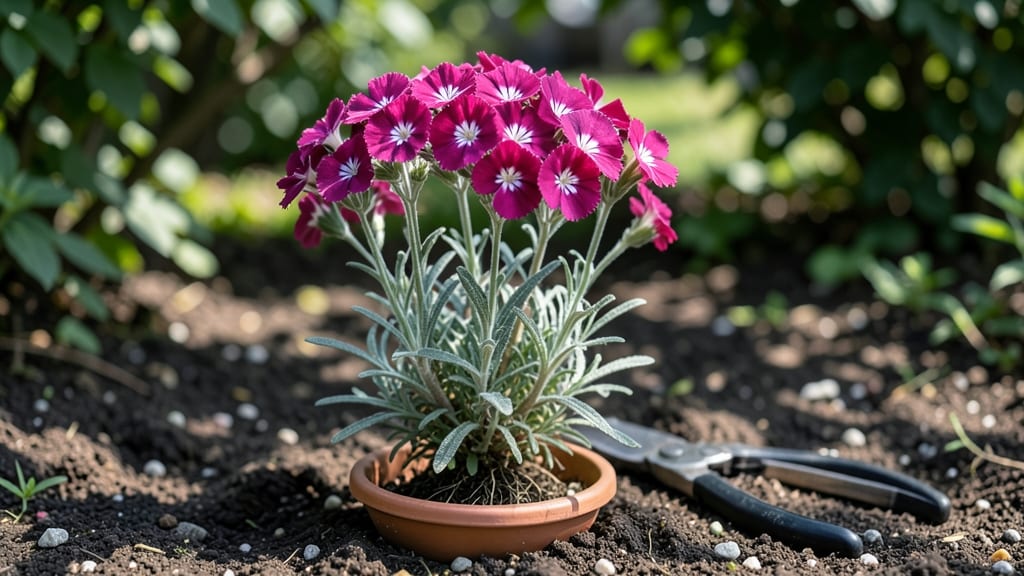
These layered sweet william flower pictures of bold crimson blooms are the secret weapon for cool-season gardens—bright, cheerful, and impossible to ignore. 🌸 I still remember the first time I saw them spilling over a stone wall in a cottage garden, their layered petals catching the light like stained glass.
They’re not just pretty; they’re versatile, thriving in borders, containers, and even as cut flowers that last for days in a vase.
The magic lies in how they mix: pair deep reds with silvery foliage for drama, or soft pinks with lavender for a dreamy cottage look. Sweet williams also play well with other cool-loving plants like pansies, dianthus, and violas, creating a nonstop spring-to-fall show.
And here’s the best part—they self-seed reliably, so once planted, they’ll return year after year with even more color.
Imagine your garden in late spring: clusters of sweet williams nodding in the breeze, their petals layered like tiny ruffles. They’re low-maintenance too—just deadhead spent blooms to encourage more flowers, and they’ll reward you with weeks of vibrant color when most annuals are fading.
Whether you’re filling gaps in a border or creating a cutting garden, these flowers deliver.
Perfect for small spaces, cutting gardens, or wildflower-style plantings, sweet williams adapt to almost any design. Start with a few varieties—try ‘Black Prince’ for drama or ‘Rainbow Mix’ for cheerful chaos—and let them take center stage. The pictures alone will inspire your next garden layout!
📚 In This Guide
- What you need
- Instructions
- Tips and common mistakes
- Wrapping up and next steps
What you need
- ● Sweet William flowers: Freshly bloomed plants (preferably in deep crimson, pink, or white for vibrant pictures). Aim for 3–5 mature stems per shoot for full, lush arrangements.
- ● Camera or smartphone: A DSLR, mirrorless, or high-end smartphone (e.g., iPhone 13+, Google Pixel 7+) with a macro or wide-angle lens for close-ups and landscapes.
- ● Tripod or stabilizer: A lightweight tripod (e.g., Joby GorillaPod) to keep shots steady, especially in low light.
- ○ Natural light source: Overcast days or soft diffused light (avoid harsh midday sun). A 5-in-1 reflector (optional) can enhance shadows.
- ● Scissors or pruners: Sharp flower shears to trim stems at a 45° angle for longevity (1–2 inches below the bloom).
- ● Water container: A clean vase or bucket with fresh water to keep flowers hydrated during shoots.
- ● Backdrop: Neutral fabrics (linen, muslin) or garden elements (wooden fences, mossy stones) for depth.
- ● Editing tools: Apps like Lightroom Mobile, Snapseed, or VSCO for post-processing (adjust brightness, contrast, and saturation).
- ● Insect repellent: A light spray to keep bees and butterflies from interfering during long shoots.
- ● Weatherproof gear: A portable umbrella or rain cover for outdoor shoots.
How to grow Sweet William flowers for stunning crimson displays
Here’s how to coax those bold, fragrant blooms into your garden—easy steps for cool-season success.
🌱 Step 1: Pick the Perfect Planting Spot
Sweet Williams thrive in partial shade to full sun but prefer 6-8 hours of morning light—especially in hotter climates. I always choose spots with dappled shade in the afternoon to prevent scorched petals. The soil should drain well, but they tolerate clay if amended with compost.
Here’s the thing—these flowers hate soggy roots. If your garden holds water, raise beds slightly or mix in 2 inches of perlite to improve drainage. A slight slope helps too—just enough to let excess water run off. Test your spot by digging a 6-inch hole and filling it with water; if it drains within an hour, you’re good to go.
🌿 Step 2: Plant at the Right Time and Depth
For spring blooms, plant in early fall (6-8 weeks before frost) so roots establish before winter. For summer color, plant in early spring as soon as the soil warms to 50°F. I’ve found that transplanting bare-root plants in cool, damp weather gives them the best start.
Dig a hole twice as wide as the root ball but only as deep—the crown should sit just above soil level. Press the surrounding earth gently to remove air pockets, then water deeply to settle everything. You’ll see new leaves unfurl in 2-3 weeks if conditions are right.
☀️ Step 3: Feed and Water for Vibrant Blooms
Sweet Williams love rich but well-draining soil. Mix in 2-3 inches of compost at planting, then top-dress with a balanced 10-10-10 fertilizer in early spring. I avoid heavy nitrogen—it’ll give you lush foliage but fewer flowers. Instead, use a low-nitrogen, high-phosphorus blend (like 5-10-5) to encourage blooming.
Water 1 inch per week, keeping the soil evenly moist but not soggy. Mulch with 2 inches of straw to retain moisture and suppress weeds. You’ll know you’re on track when the stems stay sturdy and upright—wilting or flopping means you’re overwatering or the soil is too dense.
✂️ Step 4: Deadhead and Prune for Continuous Color
Pinch back spent blooms every 2-3 weeks to encourage new flowers. I use clean bypass pruners to cut stems just above a set of leaves—this redirects energy to fresh growth. Don’t skip this step! Without deadheading, your plants will put all their effort into seed production and stop blooming.
After the first flush of flowers fades, trim back one-third of the plant to promote a second round of blooms. This works best in mild climates—if frost is coming, let the foliage die back naturally for next year. You’ll see new buds forming in 4-6 weeks if you prune at the right time.
Tips & tricks for perfect Sweet William flower displays
Here's what nobody tells you about getting those showstopping crimson blooms—details that make all the difference.
Soil Test First: Before planting, grab a handful of your garden soil and squeeze it tightly. If it stays clumped together, you've got heavy clay that needs amending. Sweet Williams will thrive with 2-3 inches of compost mixed into the top 6 inches of soil. I've seen plants struggle in compacted soil even when they get enough water—proper aeration is key to those sturdy stems. For extra insurance, add 1 cup of perlite to the planting hole to improve drainage right where the roots will settle.
Timing Secret: That 6-8 hour morning sun rule is non-negotiable for crimson blooms. I've noticed the most vibrant colors come from plants getting direct morning light but afternoon shade—it prevents heat stress that dulls the pigment. In hotter zones, watch for leaves curling at midday; this is your plant's way of saying "I need shade now." If you're planting in a new location, test it for a week first by observing how the area feels at different times of day.
Watering Wisdom: The 1 inch per week guideline is perfect, but timing matters just as much. Water deeply in the morning so the foliage has all day to dry out. Wet leaves at night invite fungal issues, and Sweet Williams are surprisingly susceptible. I've had to pull up entire clumps of plants that developed powdery mildew from evening watering—don't make my mistake. Use a rain gauge or tuna can to measure exactly 1 inch of water; your hose's "light spray" setting won't cut it.
Pruning Pro Tip: When you're deadheading every 2-3 weeks, use a pair of clean scissors instead of your regular pruners. I keep a small pair just for flowers and wipe them down with rubbing alcohol between uses. This prevents spreading disease from plant to plant. For that one-third trim after the first flush, cut back to just above a set of healthy leaves—this encourages new growth from established buds rather than forcing the plant to start from scratch.
Pro Tips for Sweet William Flower Pictures
- Here's what nobody tells you about getting those showstopping crimson blooms—details that make all the difference.
- Soil Test First: Before planting, grab a handful of your garden soil and squeeze it tightly.
- Timing Secret: That 6-8 hour morning sun rule is non-negotiable for crimson blooms.
Frequently asked questions
Got questions about growing or styling Sweet William flowers? You’re not alone! Here are answers to the most common queries—from planting tips to troubleshooting—so you can enjoy those vibrant blooms with confidence.
When is the best time to plant Sweet William?
Sweet William thrives in cool seasons, so plant seeds in early spring (as soon as the soil is workable) or late summer to early fall for a spring bloom. Avoid planting in scorching heat—it struggles with drought and wilts easily. For container gardening, start seeds indoors 6–8 weeks before the last frost for a head start!
How often should I water Sweet William flowers?
Keep soil consistently moist (but not soggy) during the growing season, especially in containers. Water at the base of the plant (avoid wetting leaves) to prevent fungal diseases like powdery mildew. Once established, Sweet William is moderately drought-tolerant but may droop if thirsty—adjust watering based on your climate.
Can Sweet William grow in full sun or partial shade?
These flowers are versatile! They tolerate partial shade (4–6 hours of sun) but thrive best in full sun (6+ hours) for the boldest blooms. In hot climates, morning sun + afternoon shade prevents wilting. Test your spot: If leaves scorch by midday, opt for dappled light.
Why aren’t my Sweet William flowers blooming?
Common culprits include:
- Overcrowding: Thin plants to 6–9 inches apart for better airflow and blooms.
- Poor soil: Amend with compost and ensure well-draining soil.
- Lack of deadheading: Snip spent blooms to encourage continuous flowering.
- Too much nitrogen: Fertilize lightly with low-nitrogen, high-phosphorus feed (e.g., 5-10-10) to boost blooms.
What are some great alternatives to Sweet William?
If you love Sweet William’s clustering blooms but want variety, try:
- Stock (Matthiola incana): Fragrant, drought-tolerant, and great for cut flowers.
- Dianthus: Similar clumps of blooms with sweet scents and deer-resistant.
- Snapdragons: Tall, spiky flowers that thrive in cool weather.
- Pansies: Hardy, colorful, and perfect for early spring containers.
Wrapping up and next steps
Sweet William flowers bring a burst of vibrant color and charm to any garden, especially in cooler climates where they thrive. Whether you’re admiring their striking crimson blooms in pictures or cultivating them yourself, these resilient flowers are a delightful addition for both novice and seasoned gardeners. 🌸
Now that you’re inspired, why not take the next step? Plant a few Sweet William blooms in your garden this season—your yard (and pollinators!) will thank you. Happy gardening! 🌱