
Flowers
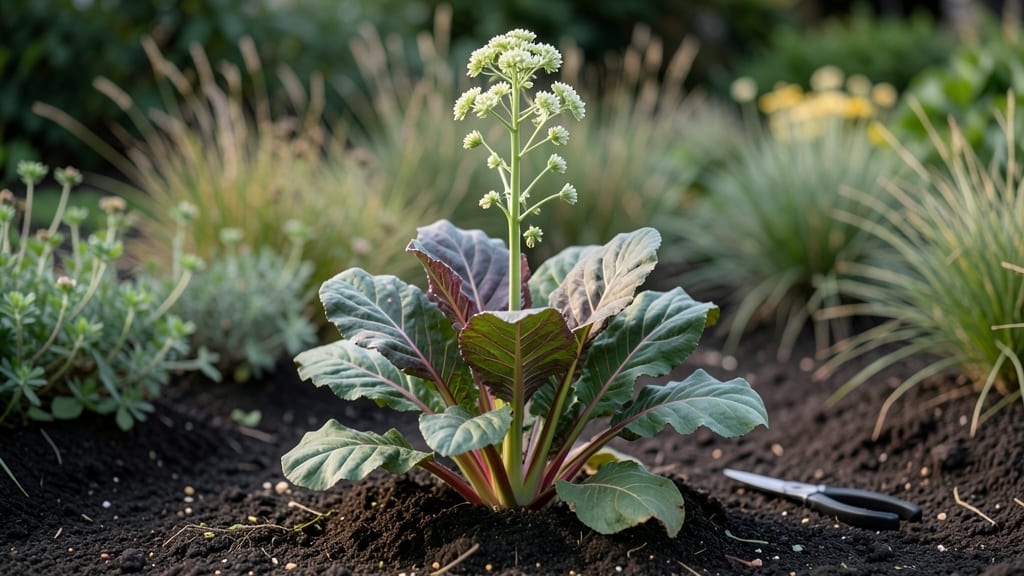
Swiss chard flowers aren’t just pretty—they’re edible, citrusy, and packed with flavor, but they’ll steal energy from your leafy greens if left unchecked. 🌿 I’ve learned the hard way that letting them go to seed means fewer tender stalks in the bowl, but with the right timing and technique, you can have both beautiful blooms and a steady harvest.
The key is pruning strategically. When flowers appear, snip them back just above a set of leaves to redirect the plant’s energy where you want it—on those thick, vibrant stalks. Do this in the morning when the plant is hydrated, and you’ll avoid stressing the leaves.
Most gardeners focus on the flowers, but consistent watering and full sun keep both the greens and blooms thriving.
You’ll end up with a dual-purpose plant: crisp, nutrient-dense stalks for salads and sautés, plus delicate, slightly tangy flowers for garnishes or infused oils. The flowers add a bright pop of color to dishes, and the leaves stay productive for weeks longer than if you ignored the blooms.
It’s a win-win for gardeners who love both beauty and harvest.
This method works year-round in warm climates and during the growing season in cooler zones. Just adjust your pruning schedule—spring and fall are ideal for encouraging both flowers and leaves without overburdening the plant. Here’s how to balance them both effectively.
📚 In This Guide
- What you need
- Instructions
- Tips and common mistakes
- Wrapping up and next steps
What you need
- ● Swiss chard flowers (freshly picked, ~1 cup or ~20-30 blooms). Pro tip: Harvest in the morning for peak flavor and tenderness! 🌞
- ○ Citrus zest (1 lemon or 1 orange, finely grated). Optional: Use 1 tsp bottled zest if fresh isn’t available.
- ● Fresh herbs (2 tbsp chopped mint, basil, or thyme for brightness).
- ● Extra-virgin olive oil (2 tbsp, cold-pressed for best flavor).
- ● Salt & black pepper (to taste).
- ● Water (¼ cup, for rinsing).
- ● Sharp kitchen shears or scissors (for harvesting stems).
- ● Mixing bowl (medium-sized, for rinsing flowers).
- ● Colander (to drain excess water).
- ● Chef’s knife & cutting board (for prepping herbs/zest).
- ● Measuring spoons (for precise herb/oil ratios).
- ● Small sauté pan or skillet (8–10-inch, for cooking).
- ● Tongs or slotted spoon (for gently handling delicate blooms).
- ● Honey or agave syrup (1 tsp, to drizzle post-cooking).
- ● Toasted pine nuts or slivered almonds (1 tbsp, for crunch).
- ● Balsamic glaze (1 tbsp, for drizzling).
- ● Edible flowers (nasturtiums or violets, for garnish).
- ● Citrus juice (1 tbsp, to deglaze the pan).
How to grow and harvest Swiss chard flowers for edible blooms
Here's the simple method I use to coax those stunning, citrusy Swiss chard flowers from my garden.
🌱 Step 1: Choose the Right Varieties for Flowering
Not all Swiss chard produces edible flowers—look for colorful varieties like 'Bright Lights' or 'Fordhook Giant'. These heirloom types develop bright pink, yellow, or white blooms that pack the same mild spinach-like flavor as the leaves. I always plant at least 3 plants to ensure a steady supply of flowers for garnishes and salads.
Start seeds indoors 6-8 weeks before your last frost date, or sow directly in the garden after soil reaches 50°F. Swiss chard thrives in cool weather and bolts less readily than lettuce. Space plants 12-18 inches apart—crowding reduces flower production. The key is consistent moisture; let the soil dry slightly between waterings but never completely.
☀️ Step 2: Provide Optimal Growing Conditions
Swiss chard needs full sun to partial shade—at least 4-6 hours of direct sunlight daily. In hot climates, afternoon shade prevents bolting. I've found that morning sun with afternoon shade produces the most vibrant flowers. The plants will tell you when they're happy: bright green leaves with sturdy stems and tight flower buds forming at the top.
Feed with a balanced 10-10-10 fertilizer when you plant, then side-dress with compost 4-6 weeks later. Too much nitrogen makes leaves grow at the expense of flowers. Watch for 1-2 inch tall flower stalks emerging from the center—this is your cue that blooms are coming. Regular harvesting of outer leaves encourages more flowers to form.
✂️ Step 3: Harvest Flowers at Peak Edibility
Pick flowers when buds are just starting to open—this is when they're most tender and flavorful. Use clean scissors to snip the entire flower cluster, leaving 1 inch of stem. Harvest in the morning after dew has dried but before the heat of the day sets in. I always harvest a few leaves at the same time to balance the plant's energy.
Don't let flowers fully open and drop seeds—this signals the plant to stop producing. You'll know you're harvesting correctly when you see new flower buds forming within 2-3 weeks. Store harvested blooms in a damp paper towel in the fridge for up to 3 days, or use immediately in salads, garnishes, or infused oils. The petals have a delicate citrusy note that pairs beautifully with creamy cheeses or fresh fruit.
🌿 Step 4: Encourage Continuous Production
After harvesting, trim back any wilted stems and give the plant a light watering. Swiss chard is remarkably resilient and will often produce 2-3 harvests of flowers in one season. I've had plants keep flowering until first frost if I maintain consistent care. The secret is removing spent blooms immediately—this redirects the plant's energy into new growth.
For a second flush of flowers, pinch back any side shoots that form after the main harvest. This encourages bushier growth and more flower production. In warm climates, you might get a small fall harvest, while cooler regions can extend production into early winter with row covers. The more you harvest, the more the plant responds with new growth—it's a self-replenishing cycle once you establish the routine.
Tips & tricks for perfect Swiss chard flowers
Took me a while to figure these out, so here goes—these are the secrets that make all the difference when growing those gorgeous, edible Swiss chard blooms.
Variety Selection: Not all Swiss chard produces flowers worth harvesting—stick to heirloom varieties like 'Bright Lights' or 'Fordhook Giant'. These specific types are bred for both their colorful leaves AND their edible flowers. I've tried other varieties, and they just don't produce the same quality blooms. The key is those tight, vibrant buds that form at the top of the stalks.
Timing Secret: That 6-8 week indoor starting window is critical because Swiss chard grows slowly. I plant mine in late winter so they're ready for transplanting after the last frost. For direct sowing, wait until soil reaches 50°F—any cooler and germination slows dramatically. Pro tip: Use a seedling heat mat if your spring soil warms slowly.
Harvesting Cues: The 2-3 week window between harvests is your best friend. When you see those first tiny flower buds forming after your initial harvest, that's your signal to start checking daily. Harvest in the morning when buds are just starting to open—they should still be tightly closed but showing color. If you wait until they're fully open, the flavor becomes bitter and the texture toughens.
Continuous Production: After your first harvest, don't just trim back wilted stems—actually pinch off any side shoots that form. This might seem counterintuitive, but it forces the plant to redirect its energy into producing more main flower stalks. I've had plants keep flowering until first frost by maintaining this routine. The secret is consistent care: water lightly after harvesting, remove spent blooms immediately, and keep those outer leaves trimmed.
Pro Tips for Swiss Chard Flower
- Took me a while to figure these out, so here goes—these are the secrets that make all the difference when growing those gorgeous, edible Swiss chard blooms.
- Variety Selection: Not all Swiss chard produces flowers worth harvesting—stick to heirloom varieties like 'Bright Lights' or 'Fordhook Giant'.
- Timing Secret: That 6-8 week indoor starting window is critical because Swiss chard grows slowly.
Frequently asked questions
Got questions about Swiss chard flowers? You’re not alone!
Here are answers to the most common queries—from harvesting to cooking—to help you make the most of these vibrant, citrusy blooms.
Can I eat Swiss chard flowers raw?
Yes! Swiss chard flowers are perfectly safe and delicious raw. Their mild, slightly tangy flavor pairs beautifully with salads, garnishes, or even as a crunchy snack. Just rinse them gently to remove dirt, and enjoy their delicate petals whole or chopped.
When is the best time to harvest Swiss chard flowers?
Harvest flowers when they’re fully open but still vibrant—usually in the morning after dew has dried. Avoid overripe blooms (they’ll taste bitter). Cut stems at a 45° angle to encourage more flowers. Pro tip: Harvest early in the season for the sweetest flavor!
What can I substitute if I can’t find Swiss chard flowers?
Try these edible flower swaps for a similar citrusy or earthy note:
- Beet greens flowers (mild, slightly sweet)
- Dandelion blooms (bright, tangy)
- Borage flowers (cucumber-like, but more floral)
- Spinach flowers (milder, closer in flavor)
How do I store Swiss chard flowers for later use?
Store flowers in a paper towel-lined container in the fridge for 2–3 days. For longer storage, dry them by hanging small bunches upside down in a dark, dry place (like herbs). Once dried, store in an airtight jar for up to 6 months—perfect for teas or garnishes!
Are there any flowers I should avoid eating?
Always double-check before eating any wild or unfamiliar flowers. Avoid:
- Flowers from sprayed plants (pesticides!)
- Foxglove, oleander, or lily of the valley (toxic!)
- Any flowers with a strong, unpleasant odor (could indicate toxicity).
Wrapping up and next steps
Swiss chard flowers aren’t just pretty—they’re a delicious, nutrient-packed surprise with a bright, citrusy kick! Whether you’re foraging, growing your own, or experimenting in the kitchen, these edible blooms add flair and flavor to salads, garnishes, and even teas. 🌸
Ready to elevate your dishes? Start small—try a few petals in your next meal or share this recipe with a fellow foodie. The world of edible flowers is waiting, and your taste buds will thank you!