
Flowers
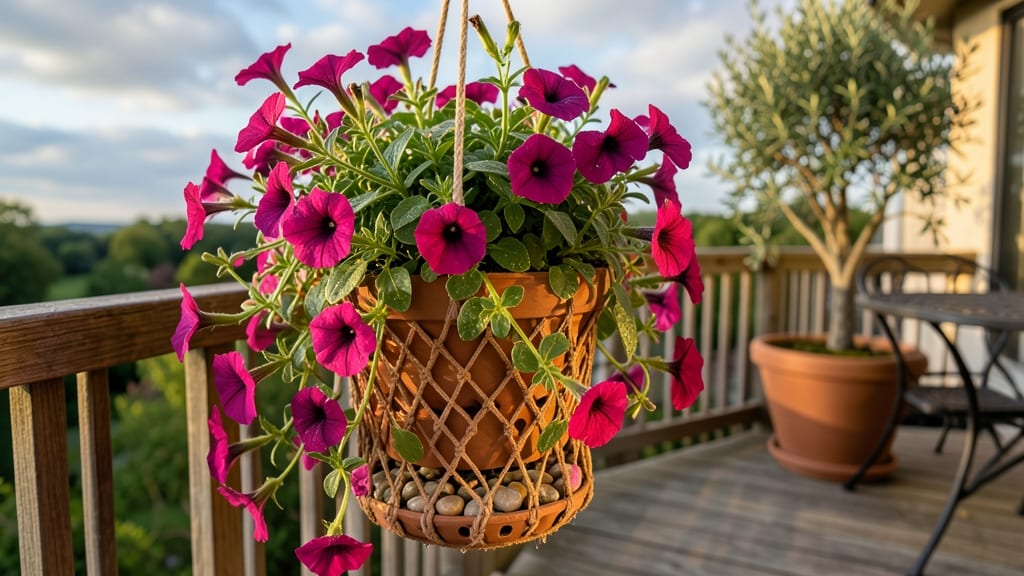
Trailing flowers for pots turn any balcony or patio into a living waterfall of color—just imagine fuchsias spilling over edges like purple ribbons or nasturtiums tumbling in fiery orange waves. 🌸 The secret isn’t just picking the right plants; it’s matching their habits to your space.
Petunias need full sun to blaze all summer, while ferns prefer shade and stay lush all season long. I’ve learned that the best displays combine three heights: tall backdrops, mid-level fillers, and trailing stars.
You’ll need pots with drainage holes (critical—no soggy roots!) and a lightweight mix of potting soil and perlite to keep things airy. Most trailing varieties thrive in 6- to 12-inch pots, depending on how dramatic you want the spill.
Grouping pots in odd numbers creates natural movement, while contrasting textures—like velvety calibrachoa against spiky sweet potato vine—adds depth. The key is starting with healthy plants and keeping them hydrated without drowning them.
By midsummer, your pots will be overflowing with blooms that attract bees and butterflies while framing your outdoor space. The fuchsias will deepen to magenta, nasturtiums will blush in the heat, and trailing lobelia will form a blue-green fringe.
Even in winter, evergreen choices like ivy or creeping jenkins keep the show going. The best part? You can swap out seasonal stars—spring bulbs, summer annuals, and fall mums—without losing that cascading magic.
Works for city balconies, farmhouse porches, or even indoor windowsills with bright light. The only rule? Let them trail—never trim the stems, or you’ll lose that dreamy, waterfall effect. Now, let’s pick your perfect mix!
📚 In This Guide
- What you need
- Instructions
- Tips and common mistakes
- Wrapping up and next steps
What you need
- ● Trailing flowers: Choose 1-3 varieties (e.g., Petunia, Nasturtium, Sweet Potato Vine, or Ivy). Opt for young plants (4-6 inches tall) for faster growth.
- ● Containers: 1-2 pots per variety (10-12 inches in diameter for small pots, 14+ inches for larger displays). Ensure pots have drainage holes!
- ● Potting mix: 1 bag of high-quality, well-draining all-purpose potting soil (or a mix of potting soil + perlite for extra aeration).
- ● Fertilizer: Slow-release granules (e.g., 10-10-10 NPK) or liquid fertilizer (diluted to half-strength).
- ○ Gloves (optional but recommended for messy soil).
- ● Trowel or small shovel for transplanting.
- ● Watering can with a fine rose (or a spray bottle for delicate seedlings).
- ● Mulch (e.g., pebbles or bark chips) to retain moisture and add aesthetic flair.
- ○ Support structures (optional): Trellises, hanging baskets, or stakes for vertical growth.
- ● A sunny or partially shaded spot (6+ hours of sunlight for most trailing flowers).
- ● Access to water (trailing plants need consistent moisture—but not soggy soil!).
- ● Patience! Some varieties (like Sweet Potato Vine) take 4-6 weeks to fully trail.
Step-by-step guide to growing stunning trailing flowers in pots
Transform any space with these easy-care plants that spill over edges beautifully.
🪴 Step 1: Choose the Right Containers and Drainage
Start with pots that have drainage holes—trailing flowers hate soggy roots. I like hanging baskets or window boxes for maximum drama, but even standard pots work if you use cascade-style planters. The container should be at least 10-12 inches deep to accommodate roots and soil.
Line the bottom with 1-2 inches of pebbles or broken pottery to create an air gap. This prevents root rot while allowing excess water to escape. If using a hanging basket, add a plastic liner to keep soil from falling out—it’s a game-changer for mess-free watering.
🌱 Step 2: Select Thriving Trailing Varieties
Pick 4-6 trailing plants per pot (since you’re making 4 pots) to create lush, full cascades. My top picks are petunias, lobelia, bacopa, or nasturtiums—they’re tough, fast-growing, and bloom nonstop. For year-round color, mix cool-season varieties like pansies with warm-season trailers like sweet potato vine.
Check the light requirements on each tag—most trailers need full sun (6+ hours) for best blooms. If your space is shady, opt for begonias or ferns, which tolerate lower light but may bloom less. Plant 1-2 inches apart so they fill in quickly without competing for space.
💧 Step 3: Plant and Water for Instant Impact
Fill the pot ¾ full with moistened potting mix, then gently tease out the roots of each plant before placing them in the soil. Press lightly to secure, but don’t pack too tightly—roots need room to breathe. For 4 pots, you’ll need about 2 gallons of potting mix per container to keep everything stable.
Water deeply until it drains from the bottom, then let it sit for 10 minutes to absorb fully. Trailers love moisture but hate soggy soil, so always check the top inch—if it’s dry, water again. After planting, give them a light fertilizer (like a balanced 10-10-10) to kickstart growth.
☀️ Step 4: Position for Maximum Cascading Effect
Place your pots where they’ll get the most light—trailers stretch toward sunlight, so a south or west-facing spot is ideal. If indoors, position near a sunny window or under grow lights for 12-14 hours daily. You’ll notice leggy growth if they’re not getting enough light—this means it’s time to move them closer.
Rotate the pots every few days so all sides get even sun exposure. This prevents one-sided growth and keeps the cascades symmetrical and full. For hanging baskets, ensure the chain or wire is sturdy—nothing ruins the look faster than a collapsed pot!
✂️ Step 5: Maintain with Pruning and Feeding
Deadhead spent blooms weekly to encourage nonstop flowering. Pinch back overly long stems to keep the plant compact and bushy—this also prevents breakage from heavy blooms. Use clean, sharp scissors and cut just above a leaf node for the best regrowth.
Feed every 2-3 weeks with a water-soluble fertilizer during the growing season. Trailers are heavy feeders, so don’t skimp! In late summer, switch to a low-nitrogen, high-phosphorus formula to boost blooms for fall color. Reduce watering in winter—most trailers go dormant and need just enough to keep soil slightly moist.
Tips & tricks for perfect trailing flowers in pots
These simple tricks will help your cascading plants thrive and create the most stunning displays!
Container Depth Matters: When selecting your 10-12 inch deep pots, remember that deeper containers hold more soil and moisture, which is perfect for trailing plants with longer roots. For hanging baskets, choose ones with sturdy chains or wires—nothing ruins the look faster than a collapsed pot when your plants are at their heaviest with blooms. I’ve found that window boxes with built-in drainage work beautifully for patio displays, giving you that classic cascading effect without the risk of tipping.
Light Requirements Are Non-Negotiable: Most trailing flowers need that 6+ hours of full sun daily to really shine. If your space only gets partial sun, opt for begonias or ferns—they’ll still trail beautifully but with slightly less vibrant blooms. Here’s the trick: if you notice your plants stretching toward the light (called leggy growth), it’s time to move them closer to a brighter spot. For indoor growers, place your pots near south-facing windows or under grow lights for 12-14 hours daily—this mimics natural sunlight and keeps your plants happy.
Watering Wisdom: After that initial deep watering until it drains from the bottom, let the soil absorb for 10 minutes before adding more. The key is keeping the top inch of soil moist but never soggy—trailing flowers hate wet feet! I’ve learned the hard way that overwatering leads to root rot, which can kill your plants faster than you’d think. For hanging baskets, water from the top and let it drain completely to prevent water from pooling at the bottom.
Fertilizing Strategy: That first light fertilizer (10-10-10) after planting gives your trailers a great start, but don’t stop there. Feed every 2-3 weeks during the growing season to keep those blooms coming. In late summer, switch to a low-nitrogen, high-phosphorus formula to boost fall blooms—this simple switch makes a world of difference! And here’s a pro tip: always water your plants first before applying fertilizer to prevent root burn.
Pro Tips for Trailing Flowers For Pots
- These simple tricks will help your cascading plants thrive and create the most stunning displays!
- Container Depth Matters: When selecting your 10-12 inch deep pots, remember that deeper containers hold more soil and moisture, which is perfect for trailing plants with longer roots.
- Light Requirements Are Non-Negotiable: Most trailing flowers need that 6+ hours of full sun daily to really shine.
Frequently asked questions
What are the best trailing flowers for beginners?
Start with hardy, low-maintenance options like Sweet Potato Vine (fast-growing and drought-tolerant) or Petunia (vibrant blooms with minimal care). Nasturtiums are also beginner-friendly—they’re edible, pest-resistant, and thrive in partial shade.
How often should I water trailing flowers in pots?
Water when the top inch of soil feels dry—usually every 2–3 days in hot weather. Pots dry out faster than ground soil, so check daily during heatwaves. Pro tip: Use self-watering pots or mulch to retain moisture and reduce evaporation!
Can trailing flowers grow in full shade?
Most trailing flowers prefer partial sun (4–6 hours of light), but a few shade-tolerant picks work well: Ivy Geraniums, Begonias, or Fuchsias. If your pot is fully shaded, opt for non-flowering trailing foliage like Pothos or String of Hearts for lush greenery.
How do I keep trailing flowers from getting leggy or sparse?
Leggy growth happens from lack of light or overcrowding. Fix it by:
- Trimming back overgrown stems to encourage bushier growth.
- Rotating pots weekly for even sunlight exposure.
- Fertilizing lightly with a balanced liquid fertilizer every 4–6 weeks.
What’s the best way to overwinter trailing flowers in pots?
Most annuals (like petunias) won’t survive winter, but perennials or tender varieties (e.g., Creeping Jenny) can be moved indoors or wrapped in burlap near a sunny window. Reduce watering and keep them in a cool (50–60°F) spot. Pro tip: Take cuttings in fall to propagate new plants for next year!
Wrapping up and next steps
Transforming your space with trailing flowers for pots is easier—and more rewarding—than you think! Whether you love the drama of petunias, the elegance of fuchsias, or the hardiness of nasturtiums, these cascading beauties bring life, color, and texture to any corner.
With the right care, they’ll reward you with year-round blooms and a lush, inviting atmosphere.
Ready to dive in? Start small—pick one or two trailing varieties, gather your supplies, and let your creativity flow! 🌸 Now’s the perfect time to turn your balcony, patio, or windowsill into a vibrant oasis.