
Companion Plants
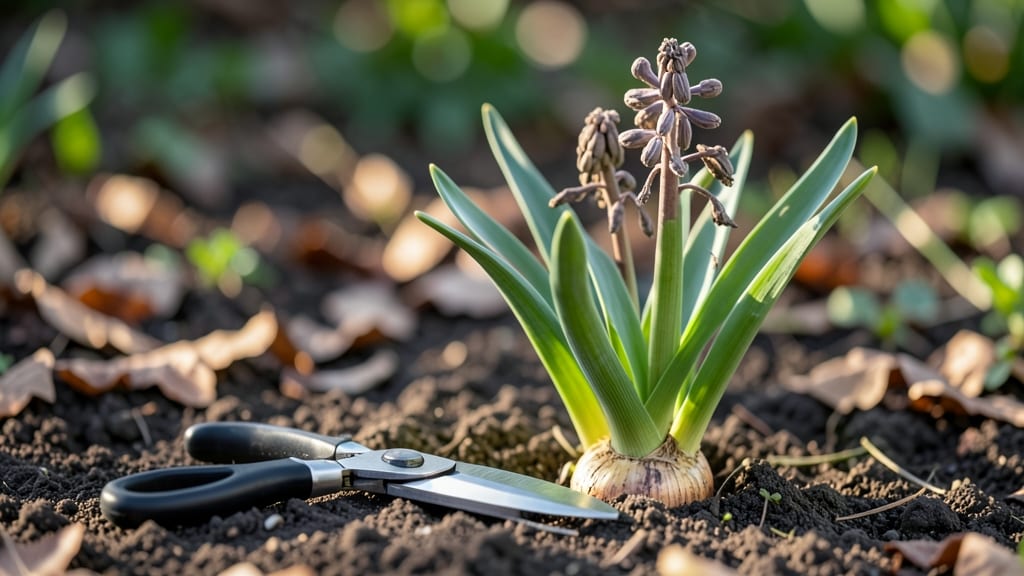
What to do with hyacinth plants after they flower is the key to coaxing those vibrant blooms back next season—don’t make the mistake of cutting the foliage too soon. ✨ The secret lies in letting the leaves yellow naturally before you act. which feeds the bulb for stronger blooms later.
I’ve learned this the hard way after seeing weak flowers return when I rushed the process.
Once the foliage turns brown and crispy, trim it back to about an inch above the soil. This signals the bulb it’s time to rest while keeping the area tidy.
A light application of balanced fertilizer in early summer gives the bulb a nutrient boost without overstimulating new growth—think of it as a gentle nudge for next year’s performance.
You’ll know you’ve done it right when your hyacinths push up vibrant new shoots the following spring, ready to bloom with even more intensity. The key is patience—those yellowing leaves are hard at work storing energy for the showstopper display you’re planning.
For regions with harsh winters, consider digging up bulbs after foliage dies back and storing them in dry peat moss until planting time. This extra step ensures they survive cold snaps and returns even more dramatic blooms year after year.
📚 In This Guide
- What you need
- Instructions
- Tips and common mistakes
- Wrapping up and next steps
What you need
- ● Garden gloves (1 pair) – Protect your hands from soil and sharp edges.
- ● Pruning shears or sharp scissors – For clean cuts (sterilized with rubbing alcohol if reused).
- ● Garden fork or trowel – To carefully lift bulbs from the soil.
- ● Well-draining potting mix or compost (5-10 lbs) – For repotting or enriching soil.
- ● Watering can or hose with a gentle spray nozzle – To avoid overwatering delicate bulbs.
- ○ Newspaper or cardboard (optional for layering) – Helps protect bulbs during storage.
- ● Mesh breathable bag or paper bag – For storing bulbs if indoor curing is needed.
- ● Labeling tags or markers – To track varieties and planting dates.
- ● Fertilizer (balanced 10-10-10 or bulb-specific) – A small bag (2-5 lbs) to nourish soil before replanting.
- ● Mulch (straw or shredded leaves) – To insulate bulbs during dormancy.
- ● Spray bottle with neem oil – For pest prevention if storing bulbs indoors.
- ● Humidity tray or dehumidifier – Keeps storage conditions ideal if indoors.
- ○ Digital scale – To monitor bulb weight during drying (optional but precise).
Step-by-Step guide to reviving hyacinths after blooming
Here’s how to keep your purple showstoppers coming back stronger each year.
🌱 Step 1: Let the Flowers Fade Naturally
Don’t cut back the stems right after blooming—let the flowers fade and dry on the plant. This allows the bulb to store energy for next season. You’ll know it’s ready when the blooms turn brown and the foliage starts yellowing naturally.
If you’re impatient, you can snip off the spent flower stalks at the base, but leave the leaves alone. Those green blades are hard at work feeding the bulb. Real talk: cutting them too soon starves your hyacinths, and you’ll get weak blooms—or none at all—the next spring.
💧 Step 2: Water and Fertilize the Foliage
Keep watering the plant until the leaves turn completely yellow and wither—usually 4-6 weeks after blooming. This ensures the bulb gets all the nutrients it needs. Water deeply once a week if rainfall is light, but don’t drown it. The soil should feel moist but not soggy.
After the leaves die back, add a balanced bulb fertilizer (like 10-10-10) around the base of the plant. This gives the bulb a nutrient boost for next year’s growth. I like to sprinkle it lightly and water it in—no need to overdo it, or you’ll burn the roots.
☀️ Step 3: Mulch and Protect the Bulbs
Once the foliage has fully died back, spread a 2-inch layer of mulch (like shredded bark or straw) around the base. This protects the bulbs from temperature swings and keeps moisture levels steady. Mulch also prevents weeds from competing for nutrients.
If you’re in a colder climate, leave the mulch in place through winter. In warmer areas, you can remove it in late fall to avoid overheating the bulbs. Either way, don’t disturb the bulbs themselves—they’re dormant and need to rest.
⏰ Step 4: Wait and Plan for Next Spring
Hyacinths go dormant after blooming, so they won’t need any care until late winter or early spring. That’s when you’ll see new shoots pushing through the soil. Until then, just leave them be—they’re storing energy underground.
Here’s the thing—if your hyacinths don’t rebloom after a year or two, it’s time to dig them up. Bulbs naturally weaken over time, and dividing them every 3-4 years keeps them vigorous. I like to do this in early summer when the foliage has died back completely.
Tips & tricks for reviving hyacinths after blooming
Here's what nobody tells you about keeping your hyacinths thriving year after year.
Step 1: The Patience Payoff: In Step 1, when those purple blooms start fading, resist the urge to cut everything back immediately. The leaves are doing critical work—photosynthesis continues even after flowering, storing energy in the bulb for next spring. I've seen gardeners cut leaves too soon and end up with puny blooms the following year. Wait until the foliage turns completely yellow and withers naturally before removing anything.
Step 2: Watering Wisdom: Those 4-6 weeks of watering in Step 2 are non-negotiable. I've learned the hard way that skipping this step leads to weak bulbs. Water deeply once a week, but don't let the soil stay soggy—hyacinths hate wet feet. A good test is to stick your finger about an inch into the soil; if it feels dry, it's time to water. The goal is to keep the soil consistently moist but not waterlogged during this crucial recovery period.
Mulch Magic: For Step 3, don't skimp on that 2-inch layer of mulch. I've used everything from shredded bark to straw, and the difference is noticeable. The mulch acts like a cozy blanket, protecting bulbs from temperature swings that can stress them. In colder climates, I leave mine in place all winter, while in warmer areas, I remove it in late fall to prevent overheating. Either way, never disturb the bulbs themselves—they're dormant and need to rest undisturbed.
Dividing Strategy: When you reach Step 4 and notice your hyacinths aren't reblooming after 2-3 years, it's time to dig up and divide. I like to do this in early summer when the foliage has completely died back. Gently dig up the clump, separate the bulbs with your hands (they'll pull apart easily), and replant the largest, healthiest ones. This rejuvenation step is what keeps your hyacinths producing those bold purple blooms year after year.
Pro Tips for What To Do With Hyacinth Plants After They Flower
- Here's what nobody tells you about keeping your hyacinths thriving year after year.
- Step 1: The Patience Payoff: In Step 1, when those purple blooms start fading, resist the urge to cut everything back immediately.
- Step 2: Watering Wisdom: Those 4-6 weeks of watering in Step 2 are non-negotiable.
Frequently asked questions
Got questions about caring for your hyacinths after the blooms fade? You’re not alone! Here are some of the most common concerns—and straightforward answers—to keep your plants thriving for next season.
Can I cut back hyacinth foliage right after the flowers die?
Not yet! Wait until the leaves turn yellow and die back naturally (usually 6–8 weeks after flowering). Cutting too soon removes the plant’s energy source for next year’s blooms. If you’re impatient, trim only the spent flower stalks—leave the leaves intact.
How do I know when it’s safe to dig up hyacinth bulbs?
Dig up bulbs after the foliage yellows and dies back completely, typically 6–8 weeks post-bloom. In warmer climates, wait until late summer or early fall. If left in the ground, they may rebloom but often with weaker flowers. Store bulbs in a cool, dry place until replanting.
What if my hyacinths don’t bloom next year—what went wrong?
No blooms? Likely culprits include:
- Not enough sunlight (they need 6+ hours of sun daily).
- Overcrowded bulbs (dig up and separate bulbs every 2–3 years).
- Skipping the “rest” period (they need 6+ weeks of dormancy).
- Poor soil (amend with compost before replanting).
Give them proper care, and they’ll bounce back!
Can I grow hyacinths in containers instead of the ground?
Plant bulbs in well-draining pots with a mix of potting soil and sand. After flowering, move containers to a shady spot and reduce watering. Once foliage dies back, store the pot in a cool, dark place (like a garage) until fall. Replant outdoors or in a sunny spot for next spring.
Why are my hyacinth leaves turning yellow or brown?
Yellowing leaves can mean:
- Overwatering (let soil dry slightly between waterings).
- Underwatering (keep soil consistently moist but not soggy).
- Pests like aphids or mites (spray with soapy water or neem oil).
- Fungal issues (improve airflow and avoid wet foliage).
Act fast—healthy leaves = happy bulbs!
Wrapping up and next steps
Your hyacinths may have finished their dazzling show for the year, but with a little care, they’ll return stronger than ever! 🌱 By deadheading, fertilizing, and giving them time to rest, you’re setting the stage for next season’s vibrant purple blooms.
Don’t let their post-flowering slumber fool you—this is their secret to coming back in full force.
Now that you’re armed with the know-how, roll up your sleeves and give your hyacinths the TLC they deserve. Ready to plan your garden’s next chapter? Start by marking your calendar for late summer—it’s time to divide and conquer for even more beauty ahead!