
Flowers
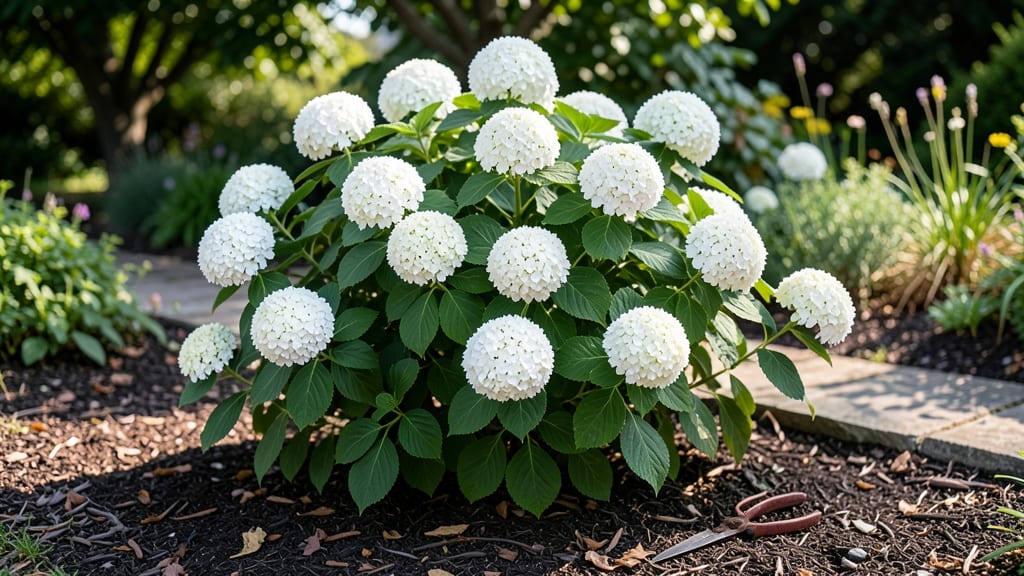
That white flower ball bush in your Pacific Northwest garden isn't just pretty—it’s a cold-hardy powerhouse that blooms like crazy even when other shrubs give up. 🌿 I planted mine last spring, and by July, it was covered in snow-white flowers that bees couldn’t resist.
The secret? Choosing the right spot and giving it the care it actually wants—not what you think it needs.
These bushes thrive in partial shade, making them perfect for under trees or along north-facing walls where heat-sensitive plants struggle. They’re also surprisingly low-maintenance: water them once a week during dry spells, and they’ll reward you with dense, rounded blooms from late spring through summer.
The key is well-draining soil—amend heavy clay with compost if your yard’s soil feels like cement.
Pruning is where most gardeners trip up, but it’s simple: trim back one-third of the oldest stems in early spring before new growth appears. This keeps the bush compact and flowering like crazy.
If you notice fewer blooms, it’s usually because the plant’s getting too much shade or not enough water. A quick fix? Move it to a sunnier spot or water it 10-15 minutes deeper twice a week.
Once established, these bushes handle Pacific Northwest winters like champs—no fuss, no fussing. They’re also deer-resistant, which is a bonus if you’re dealing with hungry critters. Ready to add one to your garden? Here’s how to set it up for success from day one.
📚 In This Guide
- What you need
- Instructions
- Tips and common mistakes
- Wrapping up and next steps
What you need
- ● White Flower Ball Bush Plant (e.g., Viburnum bodnantense 'Dawn' or Viburnum 'Winter Beauty'—both cold-hardy and perfect for PNW climates).
- ● Well-draining soil mix (3 parts native soil + 1 part compost + 1 part perlite or sand for aeration).
- ● Organic mulch (3–4 inches of shredded bark or wood chips to retain moisture and regulate temperature).
- ● Slow-release fertilizer (10-10-10 or a balanced organic option like fish emulsion).
- ● Watering can or hose with a gentle spray nozzle (for deep but controlled watering).
- ● Garden gloves and pruning shears (sterilized with rubbing alcohol for hygiene).
- ○ Stakes and twine (optional but helpful for young plants in windy PNW areas).
- ● Soil pH test kit (ideal pH: 5.5–7.0; adjust with lime or sulfur if needed).
- ● Drip irrigation system (for automated watering during dry spells).
- ● Epsom salt (1 tbsp/month in water for magnesium boost, especially in clay-heavy soils).
- ● Frost cloth (for young plants during unexpected late frosts).
- ● Plant tags or labels (to track varieties and care notes).
Step-by-Step instructions for planting and caring for white flower ball bushes
Here's how to grow these stunning cold-hardy shrubs that thrive in Pacific Northwest climates.
🌱 Step 1: Choose the Right Location and Prepare the Soil
White flower ball bushes need full sun to partial shade—at least 6 hours of sunlight daily—but they tolerate light shade in hotter areas. In the Pacific Northwest, morning sun with afternoon shade works perfectly. Test your spot by observing how much light it gets throughout the day.
These shrubs prefer well-draining soil with a slightly acidic to neutral pH (6.0-7.0). If your soil is heavy clay (common in PNW regions), amend it with 3-4 inches of compost or organic matter before planting. Work the amendment into the top 12 inches of soil to improve drainage and root growth.
🪴 Step 2: Plant at the Correct Depth and Spacing
Dig a hole twice as wide as the root ball but no deeper. This encourages roots to spread outward rather than settling too low. Gently remove the bush from its container and loosen any circling roots with your fingers. Plant 4 shrubs 3-4 feet apart for a full, rounded look—this spacing gives them room to grow into their classic ball shape.
Place the bush in the hole so the top of the root ball sits level with the surrounding soil. Backfill with native soil, tamping lightly to remove air pockets. Water deeply to settle the soil around the roots. Mulch with 2-3 inches of organic mulch (like bark or wood chips) to retain moisture and regulate soil temperature.
☀️ Step 3: Water Consistently and Monitor for Health
Water deeply once a week during the first growing season to encourage deep root growth. In the Pacific Northwest’s cooler, wetter climate, you’ll likely need less frequent watering once established—only when the top 2 inches of soil feel dry. Overwatering can lead to root rot, so avoid soggy soil.
Fertilize lightly in early spring with a balanced, slow-release fertilizer (10-10-10). These bushes aren’t heavy feeders, so skip heavy fertilizing—they’ll reward you with vibrant white blooms and lush foliage without fuss. Watch for yellowing leaves, which can signal overwatering or nutrient deficiencies.
✂️ Step 4: Prune for Shape and Encourage Fullness
Prune right after flowering (late spring to early summer) to maintain the bush’s signature round shape. Cut back one-third of the oldest stems to encourage new growth and keep the plant dense. Remove any dead, diseased, or crossing branches to improve airflow and reduce pests.
If your bush starts to lose its rounded form, lightly trim outer branches in late winter to encourage inward growth. Avoid heavy pruning in fall—it can stimulate tender new growth that won’t survive winter. In the Pacific Northwest’s mild winters, these bushes stay evergreen or semi-evergreen, so pruning is minimal but keeps them looking their best.
Tips & tricks for perfect white flower ball bush growth
These simple strategies will help you cultivate thriving, picture-perfect bushes that burst with Pacific Northwest charm.
Lighting Insight: In Step 1, when assessing your spot for those crucial 6 hours of sunlight, remember that morning sun with afternoon shade is ideal for our region. If you're unsure, use a simple app to track sunlight patterns for a week—you'll spot the perfect balance. Too much afternoon sun can stress the plants, while too little light means fewer blooms.
Soil Prep Pro Tip: For the 3-4 inches of compost you're adding in Step 1, consider mixing in a handful of perlite or coarse sand if your soil feels dense. This creates tiny air pockets that prevent waterlogging, especially important in our rainy PNW climate. The goal is soil that crumbles easily when squeezed—not sticky or powdery.
Planting Precision: When planting your 4 bushes 3-4 feet apart in Step 2, imagine them as a clock face—this spacing creates that signature rounded shape. After planting, give each bush a thorough drink to settle the soil, then let it drain completely before mulching. The 2-3 inches of mulch should never touch the stems to prevent rot.
Watering Wisdom: That first growing season's weekly deep watering in Step 3 is non-negotiable—it trains roots to grow deep. In our cooler climate, you'll likely reduce to watering only when the top 2 inches feel dry, but always check with your finger rather than guessing. A moisture meter can be a game-changer for accuracy, especially if you're new to gardening.
Pro Tips for White Flower Ball Bush
- These simple strategies will help you cultivate thriving, picture-perfect bushes that burst with Pacific Northwest charm.
- Lighting Insight: In Step 1, when assessing your spot for those crucial 6 hours of sunlight, remember that morning sun with afternoon shade is ideal for our region.
- Soil Prep Pro Tip: For the 3-4 inches of compost you're adding in Step 1, consider mixing in a handful of perlite or coarse sand if your soil feels dense.
Frequently asked questions
Got questions about growing and caring for your white flower ball bush? You’re not alone! Here are answers to the most common queries from gardeners in the Pacific Northwest and beyond.
What’s the best time to plant a white flower ball bush?
Plant your Viburnum bodnantense (the classic white flower ball bush) in early spring or fall when soil temps are cool but not frozen. This gives roots time to establish before winter or summer stress. Avoid planting in peak summer heat—it can shock the plant.
How cold-hardy is this bush in the PNW?
Most varieties thrive in USDA Zones 5-8, making them perfect for the Pacific Northwest’s chilly winters. While they tolerate down to -20°F (-29°C), young plants may need winter mulch in harsher microclimates. Viburnum bodnantense even blooms in late winter for a stunning early-season show!
Why aren’t my white flowers blooming?
If your bush skips blooms, check these fixes:
- Age: Young plants (under 3 years) may not flower yet—be patient!
- Light: Ensure it gets full sun to partial shade (6+ hours of sun for best blooms).
- Pruning: Avoid heavy pruning in fall or winter—trim after blooming to encourage next year’s flowers.
- Nutrients: Test soil for phosphorus (bloom booster) and amend if needed.
Still struggling? Over-fertilizing with nitrogen can reduce flowers—go easy on the green stuff!
Are white flower ball bushes deer-resistant?
While not fully deer-proof, they’re less appealing than tender perennials. Deer may nibble in harsh winters when food is scarce. For extra protection:
- Plant near deer-deterrent companions like lavender or boxwood.
- Use repellent sprays (like garlic-based options) in late fall.
- Install physical barriers (e.g., fencing) for young plants.
Bonus: The fragrant foliage might mask your garden’s deer buffet!
What’s a good alternative if I want white blooms but need less maintenance?
If your white flower ball bush feels high-maintenance, try these low-fuss PNW-friendly alternatives:
Plant
White Bloom Time
Care Level
Spiraea japonica (‘Snowmound’)
Summer (June–July)
(Very low—drought-tolerant!)
Weigela florida (‘White Knight’)
Spring (April–May)
(Moderate—prune once a year)
Hydrangea arborescens (‘Annabelle’)
Summer (June–August)
(Needs consistent moisture)
Pro tip: ‘Snowmound’ Spirea is a deer-resistant superstar!
Wrapping up and next steps
Growing a white flower ball bush in the Pacific Northwest is a rewarding journey that brings beauty, resilience, and charm to your garden. Whether you’re drawn to its cold-hardy nature, fragrant blooms, or low-maintenance care, this plant is a perfect addition for any gardener.
Now that you’re equipped with the right knowledge—from selecting the ideal variety to troubleshooting common challenges—it’s time to roll up your sleeves and make it happen!
Start by picking a sunny spot in your yard, gather your supplies, and plant with confidence. Before you know it, your garden will be bursting with stunning white blooms that turn heads and brighten up those gray PNW days. Happy gardening! 🌸