
Pests and Diseases
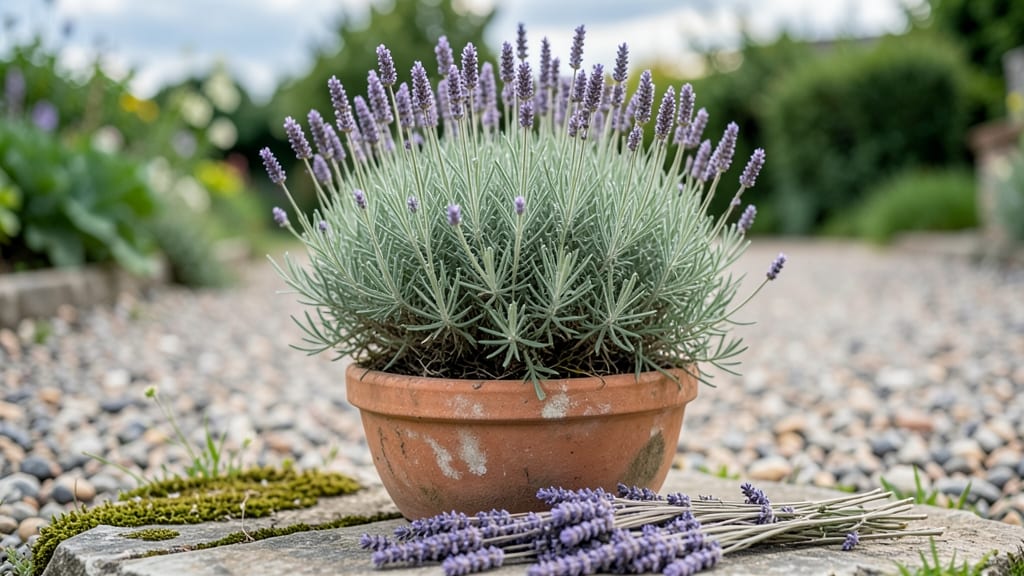
A black-and-white wildflower garden isn’t just a design—it’s a bold statement where drama meets nature’s quiet elegance. I’ve spent years refining monochrome meadows that buzz with pollinators while turning heads with their striking contrast.
The secret lies in layering textures: silvery lamb’s ear against deep purple coneflowers, or the feathery plumes of black-eyed Susans catching the light.
Start with a 3:1 ratio of white to dark blooms for balance, and mix in foliage like Russian sage or black mondo grass for depth. Plant in drifts, not rows, to create a natural, flowing look.
Maintenance is minimal—just deadhead spent blooms to encourage more flowers, and let the pollinators do the rest. This garden thrives on contrast, not color chaos.
📚 In This Guide
- What you need
- Instructions
- Tips and common mistakes
- Wrapping up and next steps
What you need
- ● Wildflower seeds (black & white varieties): 2–3 lbs of Nigella damascena (Love-in-a-Mist, black seeds)
- ● 1 lb of Lobelia erinus (Crystal Palace, white blooms)
- ● 1 lb of Echinacea purpurea (White Swan, white daisy-like flowers)
- ● 1 lb of Dianthus barbatus (Sweet William, deep purple-black foliage)
- ● 1 lb of Salvia nemorosa (May Night, dark purple-black spikes)
- ● Soil amendments: 5 lbs of compost (well-aged, organic)
- ● 1 lb of bone meal (for phosphorus-rich roots)
- ● 1 lb of perlite or sand (for drainage, if soil is heavy)
- ● Mulch: 2–3 bags of black or white gravel (for contrast and weed suppression)
- ○ Optional: 2 yards of shredded bark mulch (for texture)
- ● Hand tools: 1 garden trowel
- ● 1 hand pruner
- ● 1 rake (for leveling soil)
- ● 1 wheelbarrow (for mixing soil)
- ● Measuring & marking: Measuring tape (10–20 ft)
- ● Stakes & twine (for layout planning)
- ● Watering: Garden hose with adjustable nozzle
- ○ Optional: Drip irrigation kit (for efficiency)
- ● ✅ Sunlight: Full sun (6+ hours daily) for optimal growth.
- ● ✅ Space: Minimum 4’x4’ area (expandable for larger designs).
- ● ✅ Drainage: Avoid low-lying spots where water pools.
- ● ✅ Local regulations: Check for native plant restrictions or permits.
- ● ✅ Pest prep: Neem oil spray (ready for potential aphid outbreaks).
How to design a dramatic black-and-white wildflower garden
This bold color scheme creates a timeless, high-contrast garden that thrives with pollinators while demanding minimal maintenance.
Choose the Right Black-and-White Species
Select native wildflowers that naturally produce black, dark purple, or deep maroon blooms alongside pure white varieties. My go-to combinations include black-eyed Susan (Rudbeckia hirta) with its bold dark centers, Queen Anne's lace (Daucus carota) for its lacy white umbels, and black cohosh (Actaea racemosa) for deep purple-black spikes. Pair these with white milkweed (Asclepias tuberosa) and white yarrow (Achillea millefolium) for contrast.
For height variation, include Joe Pye weed (Eutrochium purpureum), which reaches 5-6 feet and provides dramatic vertical lines. Smaller options like blackfoot daisy (Melampodium leucanthum) and white alyssum (Lobularia maritima) fill gaps at 1-2 feet. Always check each plant's mature size to avoid overcrowding—this garden thrives on air circulation to prevent fungal issues.
Plan Your Layout for Maximum Impact
Design in three distinct layers: tall backrow plants (5-6 feet), mid-height accents (2-4 feet), and low ground covers (under 1 foot). I sketch a rough map first, placing the darkest blooms—like black cohosh or purple coneflower (Echinacea purpurea)—as focal points along pathways or near seating areas. White flowers should surround these anchors to create visual "halos" that draw the eye.
Add 1-2 feet of spacing between mature plants to prevent competition. For a natural look, mimic wildflower meadows by grouping 5-7 plants of each variety in loose clusters rather than planting in straight lines. This creates organic movement and encourages pollinators to linger. Include 10-15% open space for pollinators to land and forage efficiently.
Prepare the Soil for Drought-Tolerant Growth
Wildflowers thrive in well-draining soil with moderate fertility—too much nitrogen produces leafy growth at the expense of blooms. Test your soil first; if it's heavy clay, amend with 2-3 inches of compost and 1 inch of coarse sand to improve drainage. Avoid synthetic fertilizers—wildflowers prefer lean conditions. I spread a 1-inch layer of mulch (like pine straw) after planting to retain moisture while discouraging weeds.
Choose a sunny location with at least 6 hours of direct sunlight daily. Most black-and-white wildflowers tolerate dry conditions once established, so select a spot where you won’t need to water frequently. If your site has poor drainage, consider raised beds or mounded soil to prevent root rot in species like black-eyed Susan, which dislikes soggy feet.
Plant and Establish for Long-Term Beauty
Plant in early spring or fall when temperatures are mild. Dig holes twice as wide as the root ball but only as deep. Gently remove plants from containers and tease apart crowded roots—this encourages outward growth. Place each plant 1-2 inches deeper than it grew in the nursery to stabilize stems. Water deeply immediately after planting to settle the soil around roots.
Keep the area consistently moist for the first 4-6 weeks to help roots establish. After that, reduce watering to once every 1-2 weeks, allowing the soil to dry slightly between sessions. This mimics natural rainfall patterns and prevents weak, spindly growth. Mulch again after watering to retain moisture and suppress weeds—this garden should require minimal weeding once mature.
Maintain for Pollinators and Season-Long Color
Deadhead spent blooms once or twice per season to encourage continuous flowering. For wildflowers like Queen Anne’s lace, I simply snip the entire stem at the base—this prevents self-seeding where unwanted and keeps the plant focused on producing new blooms. Leave some seed heads for pollinators, especially in late summer when food sources dwindle.
Divide clumps every 3-4 years in early spring to rejuvenate plants. Dig up black cohosh or Joe Pye weed when they become overcrowded, separate the roots, and replant one section while composting the rest. This keeps the garden vigorous and prevents decline. Fertilize only if your soil test reveals deficiencies—wildflowers rarely need supplements.
Tips & tricks for perfect black-and-white wildflower gardens
Creating a striking monochrome garden isn't just about color—it's about intentional design that thrives with minimal fuss. Here's how to elevate your wildflower garden from good to showstopping.
Species Selection Matters: When choosing your black-and-white varieties, prioritize plants with different bloom times to ensure continuous color throughout the growing season. For example, pair early bloomers like black cohosh with late-season performers like Joe Pye weed. This creates a dynamic display where one variety fades just as another comes into full bloom. I've found that adding purple coneflower extends the season by several weeks compared to shorter-lived varieties.
Layering Technique: The three-layer approach in Step 2 is where the magic happens. For maximum visual impact, place your tallest plants—like Joe Pye weed—along property lines or at the back of beds to create a natural backdrop. Mid-height plants should form the "frame" around seating areas or pathways, while low-growing varieties like white alyssum should spill over edges to soften the design. This creates depth perception that makes your garden feel larger while maintaining that high-contrast drama.
Soil Preparation Secret: The key to drought-tolerant wildflowers lies in that initial soil amendment. Don't just add compost—mix in 1 inch of coarse sand if you have clay soil, and consider adding a handful of perlite to improve aeration. I've seen gardens with perfect soil amendments fail because they didn't account for compaction. After planting, gently press the soil around roots with your fingers to eliminate air pockets without creating compaction—this balances stability with proper drainage.
Pollinator Strategy: That 10-15% open space isn't just for aesthetics—it's a critical pollinator feature. Create "landing pads" by leaving small bare spots between plant clusters, especially near water sources. I've noticed bees and butterflies are more likely to linger when they can easily access multiple flower types without navigating dense foliage. This simple adjustment can triple your pollinator activity within weeks.
Pro Tips for Wildflower Black And White
- Creating a striking monochrome garden isn't just about color—it's about intentional design that thrives with minimal fuss.
- Species Selection Matters: When choosing your black-and-white varieties, prioritize plants with different bloom times to ensure continuous color throughout the growing season.
- Layering Technique: The three-layer approach in Step 2 is where the magic happens.
Frequently asked questions
Got questions about creating your own wildflower black and white garden? You’re not alone! Here are some common concerns—and their answers—to help you design a stunning, low-maintenance pollinator haven with confidence.
What are the best wildflowers for a black-and-white garden?
A monochrome palette thrives with silver foliage (like lamb’s ear or dusty miller) and white/pale flowers (e.g., coneflowers, black-eyed Susans, or white snapdragons). For contrast, add deep purple or charcoal blooms like black-eyed Susan vine or helichrysum. Native species ensure pollinators love it too!
When is the best time to plant for a black-and-white wildflower garden?
Plant in early spring (after last frost) or fall (6–8 weeks before first frost) for best results. If using seeds, scatter them in late summer for a natural, self-seeding display. Perennials (like black valerian) take 2–3 years to fully bloom—patience pays off!
How do I keep pests away from my black-and-white wildflowers?
Pests like aphids or slugs can disrupt your design, but natural deterrents help! Plant garlic, marigolds, or lavender nearby to repel insects. For slugs, use copper tape or diatomaceous earth. Encourage ladybugs—they’re your garden’s pest-control allies!
Can I add other plants (like shrubs or grasses) to my black-and-white garden?
Ornamental grasses (e.g., miscanthus or feather reed grass) add texture, while silver-leafed shrubs (like artemisia) echo your monochrome theme. Just keep foliage 70% white/silver and 30% dark for balance. Ferns or heuchera (coral bells) work too!
What if my garden doesn’t look “black and white” enough?
Don’t stress—monochrome gardens evolve! If colors pop unexpectedly, edit gradually: Replace bold blooms with white or silver alternatives. Deadhead spent flowers to redirect energy to your palette. Mulch with black gravel or white pebbles to enhance contrast. Over time, your vision will shine!
Wrapping up and next steps
Creating a wildflower black-and-white garden isn’t just about aesthetics—it’s a bold statement for pollinators and a low-maintenance masterpiece. 🌸 By blending bold contrasts with native species, you’ve crafted a haven that thrives on resilience while wowing the eye.
Now, take that inspiration and act: sketch your design, gather seeds, or share your vision with fellow gardeners—your monochrome oasis is ready to bloom!
Next steps:
- 📝 Draft your layout (or tweak ours!)
- 🌱 Start small—even a single patch makes a difference!
- 🤝 Join local gardening groups for seed swaps and tips.