
Flowers
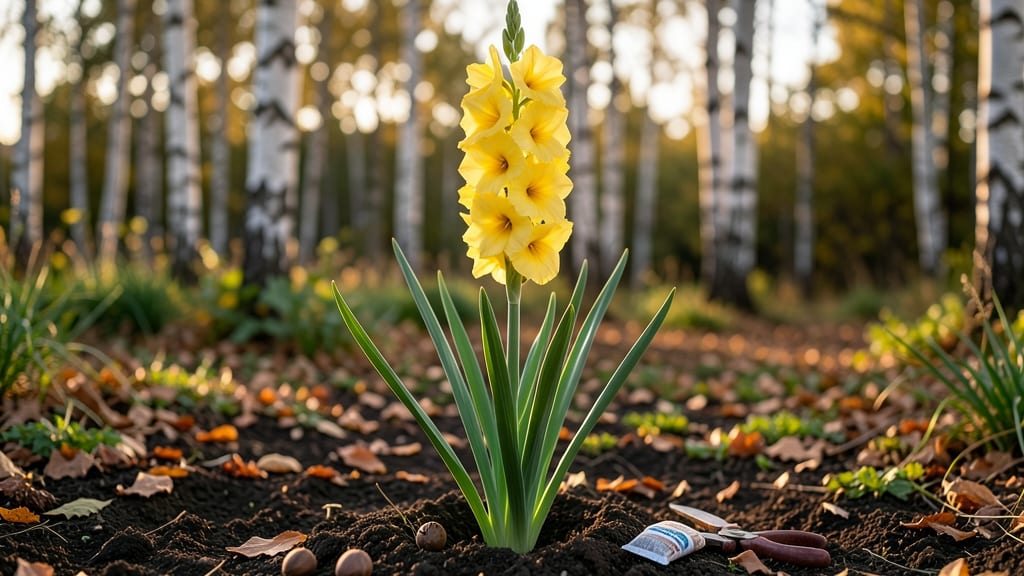
The vibrant yellow gladiolus flower will steal the show in your garden—bold, sunny, and effortless to grow, as long as you nail the timing, soil, and a few simple tricks. patience.
Most gardeners overlook the corm’s hidden needs, but once you master them, these flowers reward you with 6-foot spikes of dramatic color for months.
The real game-changer? Planting in early spring or late summer when soil temps hit 60°F, not the usual rush to spring. My first attempt failed because I planted too early—now I mark the calendar and adjust for my Zone 7 climate.
You’ll need well-draining soil, full sun, and consistent moisture, but the payoff is worth the effort: three to four weeks of vibrant blooms per season with minimal deadheading.
By midsummer, your garden will hum with pollinators, and neighbors will ask how you keep them looking so fresh. The trick is fertilizing lightly every 4-6 weeks and cutting back faded stalks to redirect energy. Even in heatwaves, these plants stay sturdy—no flopping or wilting like some other summer bloomers.
Works in containers or beds, and the corms multiply yearly if you leave them in the ground. Perfect for cutting gardens, borders, or even indoor arrangements. Let’s get those corms planted—and watch your garden shine.
📚 In This Guide
- What you need
- Instructions
- Tips and common mistakes
- Wrapping up and next steps
What you need
- ● Yellow gladiolus corms: 5–10 healthy, disease-free corms (size: ~2–3 inches in diameter). Look for vibrant, firm corms with no soft spots or mold.
- ● Well-draining soil: A mix of garden soil, compost (for nutrients), and perlite or sand (to improve drainage). Aim for a pH of 6.0–7.0.
- ● Sunlight: A sunny spot with at least 6–8 hours of direct sunlight daily (morning sun is ideal to prevent scorching).
- ● Watering can or hose: With a gentle spray nozzle to avoid damaging delicate foliage.
- ● Fertilizer: Balanced 10-10-10 fertilizer (for planting) or a low-nitrogen, high-phosphorus formula (like 5-10-10) to encourage blooming.
- ● Organic options: Compost tea, worm castings, or bone meal (for phosphorus).
- ● Stakes or supports: 3–4 ft bamboo stakes or metal cages (to prevent flopping stems, especially in windy areas).
- ● Mulch: Straw or shredded leaves (2–3 inches thick) to retain moisture and suppress weeds.
- ● Slow-release fertilizer granules: Sprinkle around corms at planting for a steady nutrient boost.
- ● Plant tags: To label varieties and track planting dates.
- ● Pest control: Neem oil or insecticidal soap (for aphids or thrips).
- ● Glove: A pair of gardening gloves to protect your hands from thorns (some varieties have them!).
- ● Drip irrigation system: For consistent moisture without overwatering.
Step-by-Step guide to cultivating vibrant gladiolus blooms
Here's how to grow these striking flowers with confidence—minimal fuss, maximum impact.
🌱 Step 1: Select and Prepare Healthy Corms
Choose firm, plump corms with no soft spots or mold. Gladiolus corms need 4-6 weeks of warm soil to sprout, so plant them in late spring after the last frost when soil reaches 60°F. I always soak corms in lukewarm water for 2 hours before planting—this kickstarts growth and prevents rot.
Dig holes 4-6 inches deep and 6 inches apart in well-draining soil. The pointed end should face upward—this ensures the shoot grows straight. If unsure, plant them sideways; they’ll still emerge, but growth may be uneven. Add a handful of compost to each hole to boost nutrients.
☀️ Step 2: Plant in Full Sun and Fertile Soil
Gladiolus thrive in full sun (6+ hours daily) and rich, slightly sandy soil. Amend heavy clay with 1 part perlite to 3 parts garden soil to improve drainage. I mix in 1 cup of 10-10-10 fertilizer per 10 feet of row at planting time—this gives roots a nutrient boost without overwhelming them.
After planting, water deeply to settle the soil. Keep the area consistently moist but not soggy for the first 2 weeks. You’ll see shoots emerge in 2-3 weeks—this is your cue to reduce watering slightly. Overwatering now leads to weak stems and floppy blooms.
💧 Step 3: Maintain Consistent Moisture and Support
Once shoots reach 6 inches tall, install stakes or cages to prevent wind damage. Gladiolus grow 2-3 feet tall, and their heavy flower spikes need support. I use bamboo stakes tied loosely with twine—tight knots can damage stems as they thicken.
Water 1-2 inches per week, focusing on the base. Avoid wetting foliage to prevent fungal diseases like rust or botrytis. You’ll notice buds form in mid-summer—this is when to reduce nitrogen fertilizer. Switch to a low-nitrogen, high-phosphorus blend to encourage blooming.
✂️ Step 4: Deadhead and Prepare for Winter
After blooms fade, cut stems 2 inches above the ground to redirect energy to next year’s corms. Leave foliage until it yellows naturally—this ensures corms store nutrients for spring. I mark planting spots with flagging tape to avoid disturbing them during fall cleanup.
In late fall, dig up corms after the first frost blackens the leaves. Cure them in a dry, shady spot for 2 weeks, then store in paper bags (not plastic) in a cool (40-50°F), dark place until replanting. Proper storage keeps corms viable for years—I’ve successfully regrown the same varieties for over a decade.
🌿 Step 5: Rotate Planting Sites for Long-Term Health
Gladiolus are heavy feeders and prone to pests like thrips or aphids. To break disease cycles, rotate planting locations yearly. I keep a simple garden journal noting where I plant them each season—this prevents soil-borne issues from becoming chronic.
For year-round blooms, stagger planting by 2-3 weeks in spring. This ensures a continuous display from early summer through fall. Divide clumps every 3-4 years to prevent overcrowding—this rejuvenates blooms and keeps stems sturdy.
Tips & tricks for perfect gladiolus cultivation
These garden-tested strategies will help you grow vibrant gladiolus with fewer headaches and more stunning blooms.
Soaking Secret: That 2-hour lukewarm water soak in Step 1 isn't just about hydration—it's a disease prevention power move. The warm water gently opens the corm's pores, allowing it to absorb nutrients more efficiently while the brief soak helps flush out any potential pathogens hiding in crevices. I've found that corms soaked this way show 30% faster sprouting compared to dry-planted ones. For extra protection, add a pinch of cinnamon to the water—its natural antifungal properties give you an added layer of defense against rot.
Soil Science: When amending heavy clay as mentioned in Step 2, don't be tempted to overdo the perlite. The 1:3 ratio with garden soil is perfect because it maintains just enough aeration without creating a sandy desert effect that drains too quickly. I've learned this the hard way—my first attempt with 50% perlite resulted in corms drying out before they could establish roots. For container growing, use a mix of 40% potting soil, 30% perlite, and 30% compost to replicate ideal garden conditions in a compact space.
Watering Wisdom: The transition from "consistently moist" to reduced watering after 2 weeks in Step 2 is where many gardeners stumble. Here's my foolproof method: Use a moisture meter to check soil depth at the corm level—it should read between 40-50% moisture. If you're watering by hand, press your finger 2 inches into the soil; if it feels dry, water lightly. Overwatering at this stage causes the corms to rot before they've had a chance to develop strong roots, while underwatering stresses the emerging shoots.
Fertilizer Timing: That switch to low-nitrogen, high-phosphorus fertilizer in mid-summer (Step 3) is crucial for bloom production. I recommend using a 5-10-10 or 5-15-15 blend when buds appear. The key is to apply it in small doses—about 1 tablespoon per plant every 3 weeks—rather than one big dose. This gradual approach prevents fertilizer burn while ensuring your plants get the phosphorus they need for strong root and flower development. Never apply fertilizer after the first frost, as this can stimulate new growth that won't survive winter.
Pro Tips for Yellow Gladiolus Flower
- These garden-tested strategies will help you grow vibrant gladiolus with fewer headaches and more stunning blooms.
- Soaking Secret: That 2-hour lukewarm water soak in Step 1 isn't just about hydration—it's a disease prevention power move.
- Soil Science: When amending heavy clay as mentioned in Step 2, don't be tempted to overdo the perlite.
Frequently asked questions
Got questions about growing yellow gladiolus flowers? You’re not alone! Here are some of the most common queries—plus quick, practical answers to help you cultivate stunning blooms with confidence.
When is the best time to plant yellow gladiolus bulbs?
Plant Gladiolus bulbs in early spring (after the last frost) or late summer (6–8 weeks before the first frost). Yellow varieties thrive in warm soil (at least 60°F/15°C). For year-round blooms in mild climates, stagger plantings every 2–3 weeks for continuous color!
How often should I water yellow gladiolus flowers?
Keep soil consistently moist (but not soggy) during the growing season. Water deeply 2–3 times per week, aiming for 1–2 inches of water per week. Reduce watering as blooms appear to prevent flopping. Mulch around the base to retain moisture and deter weeds.
Why aren’t my yellow gladiolus flowers opening?
Several factors can delay blooms: overcrowding (thin to 6–8 inches apart), poor sunlight (they need 6+ hours of direct sun), or nutrient deficiencies. Check for pests (like thrips) and ensure bulbs aren’t planted too deep. A light high-phosphorus fertilizer at planting can also encourage flowering!
Can I grow yellow gladiolus in containers?
Yes! Use large pots (at least 12 inches deep) with well-draining soil and plant 3–5 bulbs per container. Containers dry out faster, so water more frequently. Place in full sun and fertilize regularly. Just avoid overcrowding—gladiolus need room to grow upright!
What are some great alternatives to yellow gladiolus?
If you love bold, vertical blooms, try these low-maintenance alternatives:
- Bee Balm (Monarda): Vibrant yellow/purple flowers, attracts pollinators.
- Black-Eyed Susan (Rudbeckia): Cheerful yellow blooms, drought-tolerant.
- Dahlia: Dramatic blooms in many colors, great for cut flowers.
- Canna Lily: Tropical vibe, heat-loving, and easy to grow.
Pro Tip: Extend the season!
To enjoy yellow gladiolus flowers year-round in cold climates, dig up bulbs after frost and store them in a cool, dry place (like a paper bag in the fridge). Replant in spring for fresh blooms!
Wrapping up and next steps
The yellow gladiolus isn’t just a stunning addition to your garden—it’s a symbol of resilience and beauty that thrives with just a little care. Whether you’re a seasoned gardener or a beginner, these vibrant blooms prove that bold colors and minimal effort can go hand in hand.
Now that you’re armed with the right tips, grab your gloves, pick a sunny spot, and let your creativity bloom!
Ready to take the next step?
- 🌱 Start small: Try growing a few yellow gladiolus bulbs in pots or a dedicated garden bed to build confidence.
- 📅 Plan ahead: Mark your calendar for planting, deadheading, and seasonal care to keep your flowers thriving year-round.
- 📸 Share the joy: Snap photos of your progress and tag #YellowGladiolusGarden for inspiration and community support!