
Flowers
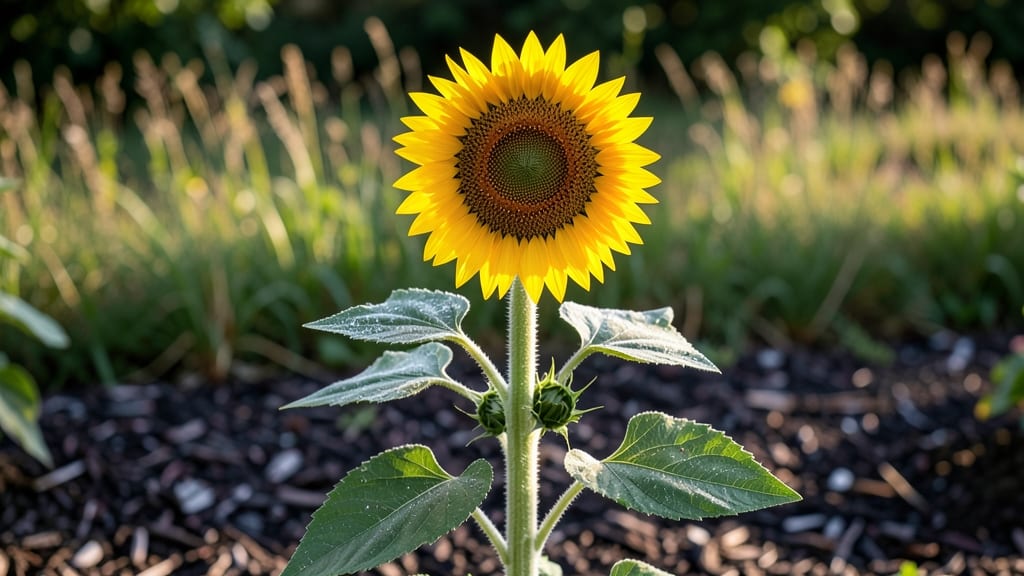
Growing yellow sunflowers in the Pacific Northwest means trading towering giants for cheerful, compact blooms that thrive in cooler climates. ✨ I fell for 'Lemon Queen' after seeing how its bright petals held up through our damp summers—no wilting, no fuss.
These sunflowers love the region’s mild summers and don’t demand the intense heat of their southern cousins.
Start with well-draining soil and a spot that gets at least 6 hours of sun daily—morning light is ideal to prevent afternoon moisture stress. Water deeply once a week, letting the top inch dry between soakings, and watch those cheerful faces turn toward the sun.
For extra drama, pair them with purple coneflowers or salvias to make the yellow pop even brighter.
📚 In This Guide
- What you need
- Instructions
- Tips and common mistakes
- Wrapping up and next steps
What you need
- ● Sunflower seeds: Choose Pacific Northwest-friendly varieties like ‘Lemon Queen’ or ‘Teddy Bear’ (both thrive in cooler climates). Purchase 1–2 packets (50–100 seeds) for a small garden or 3–5 packets for a full border.
- ● Well-draining potting mix: 5–10 gallons of organic, peat-free soil (e.g., Black Gold Natural & Organic or FoxFarm Ocean Forest).
- ● Containers or garden bed: Containers: 5–10-gallon pots (1–2 per plant) with drainage holes.
- ● Garden bed: A sunny spot (6+ hours of light) with loose, fertile soil (amend with 2–3 inches of compost if needed).
- ● Fertilizer: Balanced organic fertilizer (e.g., 10-10-10 or fish emulsion) or slow-release granules (follow package rates).
- ● Watering can or hose: With a gentle spray nozzle to avoid disturbing seedlings.
- ● Hand trowel (for transplanting seedlings).
- ● Gloves (to protect hands from soil and thorns).
- ● Measuring tape or ruler (to space plants 12–24 inches apart).
- ● Pruners or scissors (for deadheading spent blooms).
- ● Mulch (e.g., straw or shredded leaves) to retain moisture and suppress weeds.
- ● Stakes or cages (for tall varieties like ‘Russian Giant’ to prevent flopping).
- ● Seedling heat mat (if starting indoors in early spring).
- ● Plant labels (to track varieties and planting dates).
- ● Bird netting (to protect blooms from hungry squirrels or birds).
How to grow Pacific Northwest-friendly yellow sunflowers
Here's the straightforward method I use to grow bold, sturdy sunflowers that thrive in cooler, wetter climates.
🌱 Step 1: Choose the Right Variety and Plant at the Correct Time
For the Pacific Northwest, I always pick dwarf varieties like 'Teddy Bear' or 'Moulin Rouge'—they handle cooler temperatures and shorter growing seasons better than giant types. Plant seeds directly in the garden after your last frost date, when soil temperatures reach at least 55°F. You'll know it's time when the ground feels warm to the touch in the afternoon.
I like to soak seeds overnight in lukewarm water to speed up germination. The reason we do this is that the outer coating slows things down, and a 12-hour soak softens it considerably. Plant seeds ½ inch deep, spacing them 6 inches apart in rows 18 inches apart. This gives roots room to spread without competing for nutrients.
☀️ Step 2: Provide Support and Sunlight for Strong Growth
Sunflowers need 6-8 hours of direct sunlight daily, but in the PNW, mornings are often cloudy. That's why I plant them in the sunniest spot I can find—even a few extra hours of afternoon sun makes a big difference. If your garden gets afternoon shade, consider using a small stake or cage for support from the start.
When seedlings reach 4-6 inches tall (about 3-4 weeks after planting), I add a 5-foot tall bamboo stake next to each plant. Tie the main stem loosely with soft garden twine every 2-3 feet as it grows. This prevents stems from snapping in windy conditions, which are common in the PNW. You'll see the difference immediately—supported plants grow straighter and produce bigger blooms.
💧 Step 3: Water Deeply and Mulch to Retain Moisture
Water sunflowers deeply once a week (more often during heatwaves), aiming for 1 inch of water per week. The key is to water at the base, not overhead, to prevent fungal diseases. I water in the morning so the foliage dries quickly. You'll know you've given enough water when the top 2 inches of soil feel moist.
After watering, spread a 2-inch layer of mulch around each plant, keeping it 3 inches away from the stem. I use straw or shredded leaves because they break down slowly and improve soil as they decompose. Mulch helps retain moisture and keeps roots cool in our often damp climate. Watch for weeds—mulch suppresses them naturally, saving you from constant pulling.
✂️ Step 4: Prune and Deadhead for Longer Blooms
Once flowers start to open, I remove any side buds that form below the main bloom. This directs the plant's energy into one big, showy flower instead of multiple small ones. Use clean pruners and cut just above a leaf node. You'll notice the main bloom becomes larger and lasts longer when you do this.
Deadhead spent blooms by cutting the stem back to the next set of leaves. This encourages the plant to produce more flowers, especially if you're growing varieties that bloom continuously. Stop deadheading once frost threatens, as the plant will focus on seed production instead of new growth. In the PNW, this usually happens by late September.
Tips & tricks for Pacific Northwest sunflower success
These small adjustments make all the difference for sunflowers in our rainy climate.
Soil Prep Secret: Before planting, work in a handful of compost into the planting hole to give your sunflowers a nutrient boost. The PNW's acidic soil can be tough on young seedlings, and this extra nutrition helps them establish stronger roots right from the start. I mix in about a cup per plant—just enough to loosen the soil without overwhelming the seeds.
Wind Protection: If your garden gets strong afternoon breezes, consider adding a temporary windbreak like a row of cornstalks or even a simple fence on the windward side. Sunflowers can handle some wind, but those 5-foot bamboo stakes I mentioned won't do much good if the plants are flopping constantly. You'll notice stems grow straighter and produce more flowers when they're protected.
Heatwave Survival: During our occasional summer heat spikes, sunflowers need more frequent watering—aim for 1.5 inches of water per week instead of the usual 1 inch. Water deeply in the morning and again in the late afternoon to prevent stress. You'll know they're thirsty when the leaves start curling or the soil feels dry more than 2 inches down.
Fertilizer Timing: Wait until your sunflowers are about 6 inches tall before applying any fertilizer. Early feeding can encourage too much leafy growth at the expense of flower production. I use a balanced 10-10-10 fertilizer at half strength every 4 weeks during the growing season. The key is to fertilize after watering so the nutrients get absorbed properly.
Pro Tips for Yellow Sun Flower
- These small adjustments make all the difference for sunflowers in our rainy climate.
- Soil Prep Secret: Before planting, work in a handful of compost into the planting hole to give your sunflowers a nutrient boost.
- Wind Protection: If your garden gets strong afternoon breezes, consider adding a temporary windbreak like a row of cornstalks or even a simple fence on the windward side.
Frequently asked questions
When is the best time to plant yellow sunflowers in the Pacific Northwest?
The ideal time to plant sunflowers in the PNW is after the last frost (typically mid-April to early May). For cooler regions like Western Washington, start seeds indoors 4-6 weeks before the last frost or sow directly in warm soil. Varieties like 'Lemon Queen' thrive in short summers, so early planting ensures vibrant blooms before fall chill sets in.
Can yellow sunflowers survive PNW winters?
Most annual sunflower varieties won’t survive winter, but their seeds can! After blooming, leave some stalks to dry, collect seeds, and store them in a cool, dry place. For perennials, try Helianthus maximiliani (Maximilian sunflower), a hardy PNW native that returns yearly and tolerates light frost.
How do I prevent sunflowers from leaning or falling over?
Sunflowers lean toward light (a trait called heliotropism). To keep them upright:
- Plant in full sun (6+ hours daily).
- Use cage supports or stake tall varieties like 'Russian Giant'.
- Thin seedlings to 12–18 inches apart for better airflow.
Why aren’t my sunflowers blooming?
Common reasons include:
- Insufficient sunlight: PNW shade slows growth. Move to sunnier spots.
- Overcrowding: Thin plants to reduce competition.
- Poor soil: Sunflowers need well-draining soil. Amend with compost if needed.
- Pests/disease: Check for aphids or fungal spots (prune affected leaves).
What’s a great low-maintenance alternative to traditional sunflowers?
Try Jerusalem artichokes (not true sunflowers but PNW-hardy) or 'Teddy Bear' sunflowers—compact, disease-resistant, and perfect for containers. For pollinators, Black-eyed Susan (Rudbeckia) offers similar golden blooms with less upkeep. All thrive in PNW’s partial shade!
Wrapping up and next steps
Growing yellow sunflowers in the Pacific Northwest isn’t just about adding color to your garden—it’s about embracing resilience, creativity, and a touch of sunshine in every season.
Whether you’re drawn to the towering Russian Giant or the cheerful Teddy Bear varieties, these bold blooms are your ticket to a vibrant, low-maintenance garden that thrives in your unique climate. 🌻
Now that you’re equipped with the right varieties, tips, and solutions to common challenges, it’s time to roll up your sleeves and get planting! Start small—try a few seeds in pots or a sunny patch—and watch your garden transform into a cheerful haven. Happy growing! 🌱