
Flowers
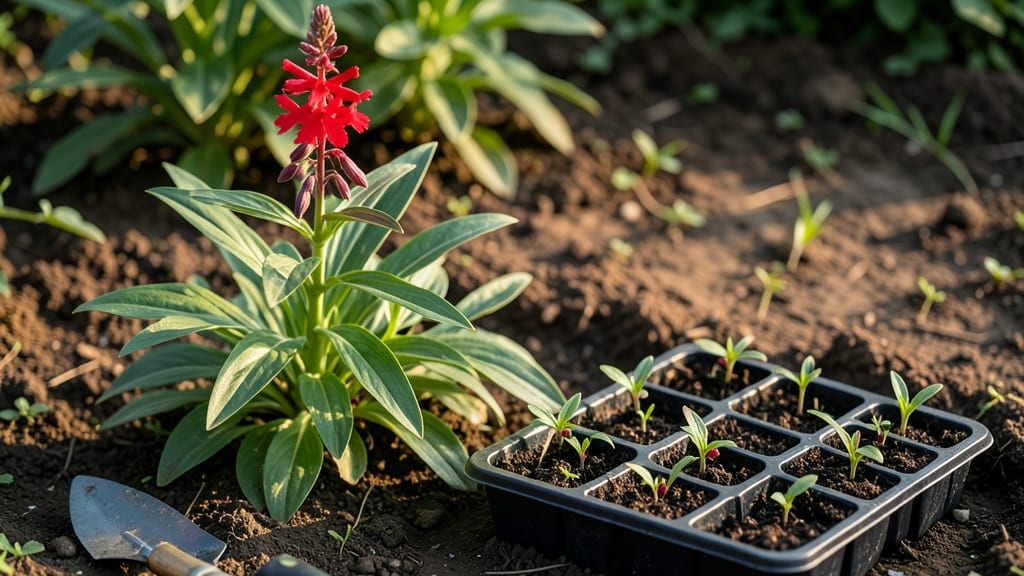
Planting cardinal flowers (Lobelia cardinalis) turns your garden into a hummingbird magnet with fiery red spikes that bloom from midsummer until frost. 🌟 I planted mine last spring near the pond, and by July, they were the first stop for every hummingbird in the county.
The secret isn't complicated—just the right spot, moist soil, and patience for those dramatic vertical blooms.
You'll need a sunny, moist spot with rich, well-draining soil—think pond edges, rain gardens, or even containers with good drainage. Cardinal flowers thrive where their roots stay damp but never soggy, and they love partial shade in hotter climates.
Most nurseries sell them as bare-root plants in early spring, but you can also grow them from seed if you're patient (they take longer to bloom).
By late summer, you'll have 4-foot-tall spikes of bright red flowers that hummingbirds can't resist, while the foliage adds lush green contrast to your garden. The best part?
They self-seed reliably, so once established, they'll multiply and spread beautifully. Just avoid overcrowding—they need 12-18 inches of space to show off their full potential.
For experienced gardeners, try dividing clumps every few years to keep them vigorous, and pair them with other moisture-loving plants like asters or bee balm. Beginners should focus on keeping the soil consistently moist and deadheading spent blooms to encourage more flowers.
Either way, you're in for a summer of vibrant color and endless hummingbird visits.
📚 In This Guide
- What you need
- Instructions
- Tips and common mistakes
- Wrapping up and next steps
What you need
- ● Cardinal flower seeds or nursery-grown plants: Seeds: 50–100 seeds (for direct sowing) or 3–5 plants (for transplanting)
- ● Nursery plants: 3–5 mature plants (12–18 inches tall)
- ● Well-draining soil: Rich in organic matter (compost or peat moss)
- ● Sunlight access: Partial to full shade (4–6 hours of morning sun)
- ● Water source: Hose or watering can (for consistent moisture)
- ● Container or garden bed: For containers: 12–18 inch pots (1 plant per pot)
- ● For beds: 12–24 inch spacing between plants
- ● Tools: Garden trowel or transplanting spade
- ● Pruning shears (for deadheading)
- ● Gloves (to protect hands from soil)
- ○ Optional but helpful: Mulch (to retain moisture and suppress weeds)
- ● Fertilizer (balanced 10-10-10 or compost tea)
- ● Stakes or supports (for taller varieties in windy areas)
- ● Hummingbird-friendly companion plants (e.g., bee balm or coneflowers)
Step-by-step guide for planting cardinal flowers
Here's the foolproof method I've used to grow vibrant cardinal flower displays that hummingbirds can't resist.
🌱 Step 1: Choose the Perfect Planting Location
Cardinal flowers thrive in partial shade to full sun—at least 4-6 hours of sunlight daily—but protect them from hot afternoon sun in southern climates. I always plant mine where they'll receive morning sun and afternoon shade, like near deciduous trees or on the eastern side of the garden. The soil should drain well but retain moisture, so avoid rocky or sandy areas unless you amend them first.
Test your spot by digging down 6 inches—the soil should feel slightly damp but not soggy. If it's too dry, cardinal flowers will wilt quickly. If it's too wet, their roots will rot. Amend heavy clay with compost to improve drainage, and mix in aged manure for extra nutrients. This plant loves rich, humusy soil with a slightly acidic to neutral pH (6.0-7.0).
🌿 Step 2: Prepare the Soil and Plant at the Right Time
Cardinal flowers grow from bare-root plants or container-grown starts, and timing matters. Plant bare-root specimens in early spring (March-April) as soon as the ground is workable, or in fall (September-October) for a head start. For container-grown plants, wait until after the last frost when nighttime temperatures stay above 50°F.
Dig a hole twice as wide as the root ball but only as deep as the container's root level. Gently loosen the roots if they're circling in the pot—this encourages outward growth. Place the plant in the hole, backfill with native soil, and firm lightly around the base. Water deeply to settle the soil and eliminate air pockets. You'll know it's right when water pools slightly at the surface before draining away.
☀️ Step 3: Provide Consistent Moisture and Fertility
Cardinal flowers are thirsty plants—they need 1-2 inches of water weekly, more in extreme heat. Water at the base (not overhead) to prevent fungal diseases like powdery mildew. I use a soaker hose or drip irrigation to keep moisture even and leaves dry. Let the top 1-2 inches of soil dry out between waterings, but never let the plant wilt. Wilting cardinal flowers often don't recover, especially in hot weather.
Feed lightly with a balanced, water-soluble fertilizer (10-10-10) every 4-6 weeks during the growing season. Too much nitrogen makes them grow leaves instead of flowers, so I cut the fertilizer dose in half after mid-summer. Mulch with 2-3 inches of organic mulch (like shredded leaves or pine needles) to retain moisture and suppress weeds. Keep the mulch 2 inches away from the stem to prevent rot.
✂️ Step 4: Prune and Support for Longer Blooms
Deadhead spent blooms regularly to encourage more flowers—this plant blooms from mid-summer to early fall, and consistent deadheading extends the season. Pinch back leggy stems in early summer to promote bushier growth. I also remove any yellow or diseased leaves immediately to keep the plant healthy. Avoid heavy pruning after mid-summer, as new blooms form on current season's growth.
Cardinal flowers can get top-heavy with blooms, so I stake taller varieties (like Lobelia cardinalis) with bamboo stakes or lightweight garden supports. Tie stems loosely with soft plant ties or old pantyhose to avoid damaging the stems. If you notice stems flopping over, it's a sign they need support before the blooms weigh them down.
🪴 Step 5: Overwinter and Divide as Needed
Cardinal flowers are perennial in USDA Zones 3-9, but they may die back in colder climates. In Zones 3-4, cut back stems to 2 inches tall in fall and mulch heavily with 4-6 inches of straw or leaves. In Zones 5-9, simply cut back stems after frost and leave the mulch in place. They'll resprout in spring, often earlier than other perennials.
Every 3-4 years, divide clumps in early spring to rejuvenate plants. Dig up the entire plant, separate the roots into 3-4 inch sections, and replant immediately. This prevents overcrowding and ensures bold, vibrant blooms year after year. I always keep at least one strong central stem when dividing to maintain vigor.
Tips & tricks for perfect cardinal flower planting
Here's what I've learned after years of growing these showstopping blooms—small details that make all the difference.
Location Secret: When evaluating your planting spot, pay special attention to the microclimate around your garden. I've found that cardinal flowers planted near east-facing foundations or under partial deciduous shade (like young oak trees) perform exceptionally well in hot climates. The key is that morning sun provides energy while afternoon shade prevents heat stress—especially important during those 4-6 hours of daily sunlight they absolutely need. Test potential spots for 6 inches deep by feeling for moisture; the soil should hold dampness like a well-wrung sponge without being soggy.
Planting Technique: The way you handle the roots during planting directly impacts establishment success. For bare-root plants, I soak the roots in room-temperature water for 10-15 minutes before planting to revive them. When placing container-grown plants, never remove them from their pots until you're ready to plant—this prevents root desiccation. The hole should be twice as wide but only as deep as the root ball, and I always backfill with a mix of native soil and compost to improve moisture retention. That first deep watering is crucial—it should settle the soil enough that water pools slightly at the surface before draining away.
Watering Wisdom: Cardinal flowers are thirsty plants, but their water needs change dramatically through the season. During establishment (first 6-8 weeks), I water every 2-3 days to keep the soil consistently moist. Once established, maintain 1-2 inches weekly, but pay attention to the top 1-2 inches of soil—this is your guide. Let it dry slightly between waterings, but never to the point of wilting. In extreme heat, I supplement with early morning watering to prevent afternoon evaporation. The secret to avoiding powdery mildew is watering at the base using a soaker hose, never overhead.
Fertilizer Strategy: The 10-10-10 balanced fertilizer recommendation is perfect, but timing makes all the difference. I apply it every 4 weeks during active growth (spring through early summer), but cut back to every 8 weeks after mid-summer. Too much nitrogen after this point shifts energy from blooms to foliage. For organic options, I use fish emulsion diluted to half strength instead of chemical fertilizers. And here's my pro move: I always apply fertilizer to moist soil to prevent root burn—water thoroughly first, then fertilize, then water again.
Pro Tips for Cardinal Flower Planting
- Here's what I've learned after years of growing these showstopping blooms—small details that make all the difference.
- Location Secret: When evaluating your planting spot, pay special attention to the microclimate around your garden.
- Planting Technique: The way you handle the roots during planting directly impacts establishment success.
Frequently asked questions
Got questions about growing cardinal flowers? You’re not alone! Here are answers to the most common queries—from planting tips to troubleshooting—so you can enjoy those vibrant red blooms with confidence.
When is the best time to plant cardinal flowers?
Plant cardinal flowers (Lobelia cardinalis) in spring or early summer after the last frost. They thrive in moist, well-drained soil and prefer partial shade. If starting from seeds, sow them indoors 8–10 weeks before the last frost for earlier blooms. For transplants, aim for April–May in most U.S. zones (4–9).
How long does it take for cardinal flowers to bloom?
With patience, you’ll see blooms 60–90 days after planting from seeds or 4–6 weeks from transplants. For continuous color, deadhead spent flowers (remove faded blooms) to encourage more blooms. Cardinal flowers often rebloom in fall if given the right conditions!
Why aren’t hummingbirds visiting my cardinal flowers?
Hummingbirds love cardinal flowers, but if they’re absent, check these fixes:
- Timing: Blooms peak in late summer—wait until then!
- Location: Plant near feeders or in sunny spots (they prefer warmth).
- Nectar: Ensure flowers aren’t wilted (keep soil moist).
- Alternatives: Add bee balm or salvia for backup nectar.
Can I grow cardinal flowers in containers?
Yes! They thrive in containers 12+ inches deep with moist, well-draining potting mix. Use a mix of peat moss, perlite, and compost to mimic their native wetland soil. Place pots in partial shade and water regularly—containers dry out faster. Dwarf varieties like ‘Cardinal Red’ work best for small spaces.
What do I do if my cardinal flowers are wilting or dying?
Wilting often signals overwatering, underwatering, or root rot. Try these fixes:
- Check soil: It should stay consistently moist but not soggy.
- Improve drainage: Amend heavy soil with sand or compost.
- Avoid full sun: Too much heat can stress plants—provide morning sun + afternoon shade.
- Fertilize lightly: Use a balanced 10-10-10 fertilizer in spring.
Are there cardinal flower alternatives for drier climates?
If your area is too dry, try these hummingbird-friendly substitutes:
- Bee balm (Monarda) – Tough, fragrant, and loves sun.
- Salvia (Salvia coccinea) – Drought-tolerant with red blooms.
- Coral bells (Heuchera) – Adds color + attracts pollinators.
- Fuchsia – Thrives in shade and loves humidity.
Wrapping up and next steps
Planting cardinal flowers is a rewarding way to bring vibrant color and life to your garden while supporting pollinators like hummingbirds. 🌸 These striking red blooms thrive with minimal effort, making them perfect for both beginners and seasoned gardeners.
Now that you’re equipped with the right knowledge—from soil prep to troubleshooting—take the plunge and plant your own cardinal flower patch this season!
Ready to get started? Pick a sunny spot, grab your seeds or plants, and begin your journey to a hummingbird-friendly haven!