
Shrubs
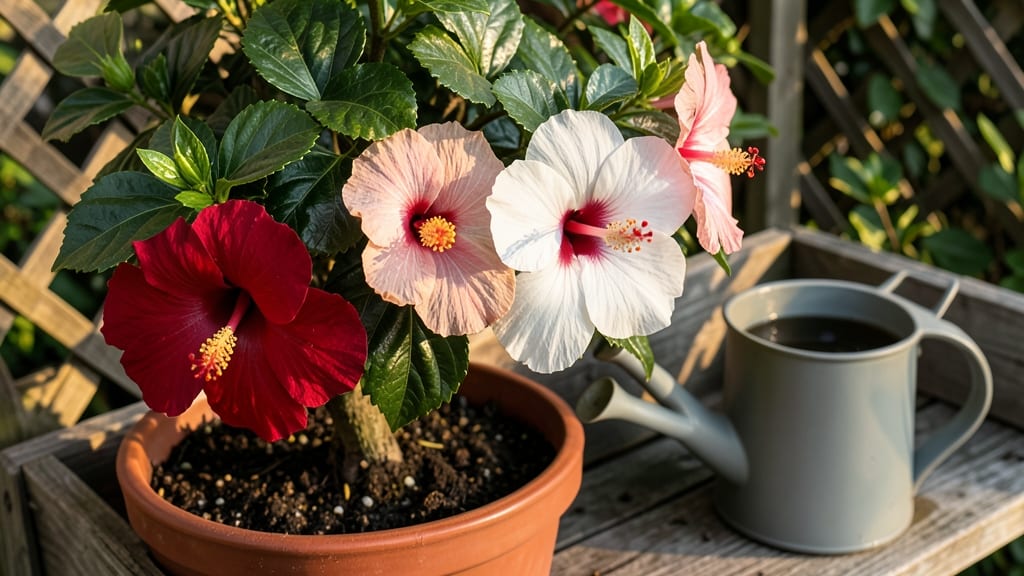
Promoting flowering in hibiscus starts with sunlight—these tropical beauties demand 6 to 8 hours of direct light daily, and cutting corners here is why so many gardeners end up with leafy bushes instead of blooms. 🌿 I’ve seen hibiscus explode with flowers after just two weeks of adjusting their spot, but the key is consistency: morning sun is ideal, while afternoon shade in hot climates prevents stress that stalls blooming.
The real game-changer is pruning at the right time—late winter or early spring—when you trim back overgrown branches by about a third. This isn’t about shaping; it’s about redirecting energy toward new growth where flowers form.
Pair that with a phosphorus-rich fertilizer (like a 5-10-5 blend) every 4-6 weeks during growing season, and you’ll see buds forming within weeks. Skipping this step is why so many hibiscus stay stubbornly leafy.
You’ll know you’re on track when you see fresh green shoots popping up within 2-3 weeks of pruning, followed by those signature hibiscus buds in 6-8 weeks. The blooms won’t just be more frequent—they’ll be bigger, brighter, and last longer too.
And here’s the bonus: healthy hibiscus even attract hummingbirds, turning your garden into a living postcard.
For those in cooler climates, winter care is critical—mulch heavily to protect roots, and hold off heavy feeding until spring. The same rules apply whether you’re growing in pots or the ground, so don’t let space hold you back. Let’s get those buds blooming!
📚 In This Guide
- What you need
- Instructions
- Tips and common mistakes
- Wrapping up and next steps
What you need
- ● Hibiscus plant(s) – Choose healthy varieties like Hibiscus rosa-sinensis or Hibiscus syriacus.
- ● Well-draining potting mix (for containers) – 50% peat/coir, 30% perlite, 20% compost.
- ● Balanced liquid fertilizer (10-10-10 or 20-20-20) – 1–2 tbsp per gallon of water (diluted).
- ○ Slow-release granular fertilizer (optional) – 5–10 lbs per 100 sq ft (for garden beds).
- ● Pruning shears – Sharp, clean, and sterilized with rubbing alcohol.
- ● Gloves – Heavy-duty for handling thorns (if applicable).
- ● Watering can or hose with adjustable nozzle – For deep, even watering.
- ● pH test kit – To check soil acidity (ideal: 6.0–6.5).
- ○ Mulch (optional) – 2–3 inches of pine bark or shredded leaves to retain moisture.
- ● Epsom salt – 1 tbsp per gallon of water (for magnesium boost; use monthly).
- ● Phosphorus-rich fertilizer (e.g., bone meal) – 1 tsp per plant at planting.
- ● Grow lights (LED full-spectrum) – For indoor hibiscus (12–16 hrs/day).
- ● Humidity tray – For indoor plants (pebbles + water under the pot).
- ● Floral food supplement – Like Miracle-Gro Bloom Booster (follow label).
Step-by-step guide to encourage hibiscus blooms
Here's how to coax your tropical beauty into vibrant, continuous flowering.
☀️ Step 1: Position for Maximum Sunlight
Hibiscus craves full sun exposure—at least 6-8 hours daily. Place your plant where it gets morning sun and afternoon light, especially in cooler climates. If indoors, position it near the brightest window, ideally south-facing. You'll notice leaves darkening or stretching toward light if it's not getting enough—this means it's struggling to bloom.
I always rotate my pots quarter-turn weekly so all sides get even sun. This prevents lopsided growth and keeps the plant balanced for better flowering. Watch for the stems growing toward the light—this is your cue to adjust the position immediately.
✂️ Step 2: Prune Strategically for New Growth
Pruning isn't just about shaping—it's about encouraging new, vigorous growth, which is where flowers form. Cut back 1/3 of the plant's height in early spring, just above a leaf node. This shock triggers fresh stems that will produce more blooms. I always use clean, sharp shears to avoid damaging the plant.
Don't over-prune in fall—this is when hibiscus prepares for dormancy. Instead, trim only dead or diseased branches. You'll see new shoots emerging within 2-3 weeks of spring pruning, signaling successful regrowth. If you notice no new growth after 4 weeks, your plant may need more sunlight or fertilizer.
💧 Step 3: Water and Feed for Optimal Blooming
Consistent moisture is key—hibiscus roots need evenly damp soil but hate soggy conditions. Water when the top 1-2 inches feel dry, and always use room-temperature water to avoid shocking the roots. I water deeply in the morning so the plant can absorb moisture before the heat of the day.
Feed with a balanced, water-soluble fertilizer (10-10-10 or similar) every 2-4 weeks during growing season. Switch to a low-nitrogen, high-phosphorus formula (like 5-10-5) when you see buds forming to encourage more blooms. You'll notice buds forming within 3-4 weeks of consistent feeding—this is your reward for patience!
🌿 Step 4: Deadhead and Maintain for Continuous Blooms
Deadheading spent flowers isn't just about looks—it tells the plant to focus energy on producing new blooms. Pinch or snip off flowers as soon as they fade, cutting just above the next set of leaves. This simple habit keeps your hibiscus flowering nonstop from spring to frost. I always carry small scissors in my gardening apron for quick deadheading.
Watch for yellowing leaves or wilting—this could mean overwatering or nutrient deficiency. Hibiscus is forgiving, but it won't bloom if stressed. A light application of Epsom salt (1 tablespoon per gallon of water) every 4-6 weeks provides magnesium, which boosts flowering. You'll see the difference in 2-3 weeks of consistent care.
Tips & tricks for perfect hibiscus blooms
Real talk: the difference between a hibiscus that barely blooms and one that bursts with color comes down to these small but mighty details.
Sunlight Strategy: That 6-8 hours of sunlight isn't just about quantity—it's about quality. If your hibiscus starts stretching toward the light (a sign of etoliation), move it closer to the window immediately. I've seen plants double their blooms just by rotating them quarter-turn weekly to prevent lopsided growth. In cooler climates, morning sun plus afternoon light makes all the difference—even a few hours of shade can reduce flowering by half.
Pruning Precision: Cutting back 1/3 of the plant's height in early spring isn't arbitrary—it's about creating fresh growth points where flowers form. Use clean shears and make cuts just above a leaf node (you'll see little dimples where leaves attach). I always prune on a dry day to reduce disease risk, and never cut more than 1/3 at once. If you see no new shoots in 4 weeks, your plant might need more sunlight or fertilizer.
Watering Wisdom: The top 1-2 inches dry test is crucial, but timing matters too. Watering deeply in the morning gives roots time to absorb moisture before evening evaporation. I've ruined blooms by watering at night—it leads to fungal issues. And always use room-temperature water; cold water shocks the roots and stresses the plant. Yellowing leaves often mean overwatering, not underwatering.
Fertilizer Timing: That 2-4 week feeding schedule during growing season isn't just about nutrients—it's about signaling to the plant when to bloom. When you see buds forming, switch to a low-nitrogen, high-phosphorus formula (like 5-10-5) to push flowering. I've seen buds appear within 3-4 weeks of making this switch. And don't forget the Epsom salt every 4-6 weeks—just 1 tablespoon per gallon gives that magnesium boost for vibrant blooms.
Pro Tips for Promote Flowering In Hibiscus
- Real talk: the difference between a hibiscus that barely blooms and one that bursts with color comes down to these small but mighty details.
- Sunlight Strategy: That 6-8 hours of sunlight isn't just about quantity—it's about quality.
- Pruning Precision: Cutting back 1/3 of the plant's height in early spring isn't arbitrary—it's about creating fresh growth points where flowers form.
Frequently asked questions
Got questions about getting your hibiscus to bloom like a showstopper?
Here are some of the most common concerns—and quick answers to help you troubleshoot and succeed!
Why isn’t my hibiscus flowering even though it’s getting plenty of sun?
Hibiscus loves sun (6+ hours daily), but flowering also depends on balanced care. Check for overwatering (root rot stunts blooms), nutrient deficiencies (especially phosphorus), or lack of pruning. If your plant is too young (<2 years), it may still be maturing—patience is key!
How long does it take for hibiscus to flower after planting or pruning?
Newly planted hibiscus may take 6–12 months to bloom, while established plants often reward you with flowers 4–8 weeks after pruning (especially if done in early spring). For faster results, use a high-phosphorus fertilizer (like 5-10-5) and ensure consistent sunlight.
Can I force hibiscus to flower indoors? What’s the trick?
Indoor hibiscus can bloom with the right conditions: bright, direct light (south-facing window or grow lights), humidity (mist leaves or use a pebble tray), and regular feeding (every 2–4 weeks with bloom booster). Avoid drafts and keep temps between 60–85°F. Patience is key—indoor blooms may take longer than outdoor varieties.
My hibiscus leaves are yellow, but it’s still not flowering. What’s wrong?
Yellow leaves often signal overwatering or nutrient issues. Check the soil—it should be slightly moist but not soggy. If roots are mushy, trim affected areas and repot. For flowering, reduce nitrogen (too much = leafy growth, no blooms) and switch to a phosphate-rich fertilizer. A soil test can pinpoint deficiencies!
Are there hibiscus varieties that flower more easily than others?
Yes! Tropical hibiscus (Hibiscus rosa-sinensis) and hardy hibiscus (Hibiscus moscheutos) are the easiest to coax into blooming. Dwarf varieties (like ‘Lima’ or ‘Pink Giant’) also flower prolifically with proper care. Avoid Hibiscus syriacus (Rose of Sharon)—it’s slower to bloom but stunning once established.
Wrapping up and next steps
Promoting vibrant blooms in your hibiscus isn’t just about luck—it’s a mix of sunlight, smart pruning, and the right nutrients. With patience and consistency, you’ll be rewarded with stunning flowers that’ll make your garden the talk of the neighborhood! 🌸
Ready to take the next step? Start by monitoring your plant’s progress—adjust sunlight, prune strategically, and feed regularly. Before you know it, your hibiscus will be bursting with color! 🌞✨