
Flowers
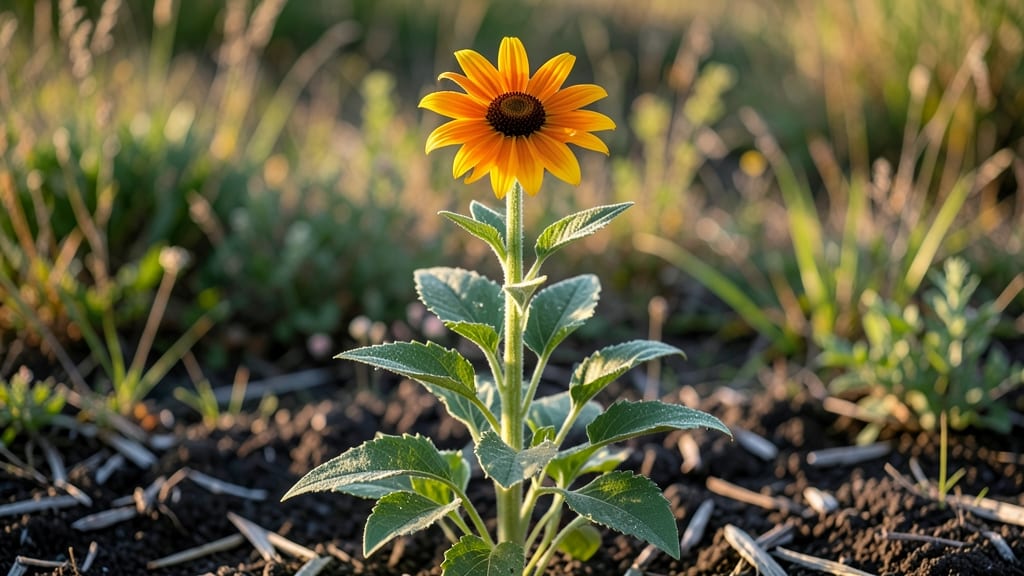
The wild things flowers of the Pacific Northwest don’t just survive—they transform your garden into a four-season tapestry of color and life. 🌿 I fell in love with these hardy blooms after my first winter garden, where most flowers wilted. but these thrived under frost, their delicate petals dusted with ice.
They’re not just pretty; they’re the unsung heroes of pollinator gardens, offering nectar when little else does.
What makes them special? They demand almost no effort—no fussing over deadheading, no constant watering, and no soil obsession. Plant them in drifts along garden edges, spill them over containers, or let them naturalize into a meadow.
Their roots run deep, so they handle drought and cold like pros, while their blooms attract bees, butterflies, and hummingbirds all season long. The key is letting them grow wild (hence the name) while guiding their placement for maximum impact.
Imagine your garden in late February, when most plants are still asleep, but these wild things burst into color—purples, blues, and whites that catch the first sunlight. By summer, they’ll be a riot of yellows, pinks, and whites, their seed heads adding texture to winter landscapes.
They’re the perfect way to bring effortless beauty and ecological value to any space, big or small.
Whether you’re redesigning a whole yard or just adding a few pots to your patio, these frost-resistant blooms will reward you with year-round interest and a garden that feels alive in every season. Ready to let nature take the lead?
📚 In This Guide
- What you need
- Instructions
- Tips and common mistakes
- Wrapping up and next steps
What you need
- ● Wildflower Seeds: Choose a mix of frost-resistant Pacific Northwest natives like Lupinus (Lupine), Eschscholzia californica (California Poppy), Achillea (Yarrow), or Symphyotrichum (Asters). Aim for 1-2 pounds of seed mix per 100 sq. ft.
- ● Well-Draining Soil: Test your soil’s pH (ideal range: 6.0-7.0) and amend with compost or peat moss if needed. Native soils often work best—no heavy fertilizers required!
- ● Organic Mulch: 2-3 inches of straw or wood chips to insulate roots and retain moisture during frosts.
- ● Watering Can or Hose: A gentle spray nozzle for even watering without disturbing seedlings.
- ● Garden Gloves (waterproof, for protection and grip).
- ● Hand Trowel or Transplant Spade (for digging and spacing seeds).
- ● Pruners or Shears (for trimming dead blooms and shaping plants).
- ● Measuring Tape or Ruler (to maintain proper spacing—6-12 inches apart for most wildflowers).
- ● Seedling Trays (if starting indoors for a head start).
- ● Drip Irrigation Kit (for low-maintenance watering in larger gardens).
- ● Wildlife-Friendly Additions: A shallow bird bath or bee hotel to attract pollinators.
- ● Frost Cloth (lightweight fabric to protect young plants during unexpected late frosts).
Step-by-Step guide to planting frost-resistant Pacific Northwest wildflowers
Here’s how to establish hardy blooms that bring color through every season—no fuss, just beauty.
🌱 Step 1: Choose the Right Wildflower Mix for Your Site
Select a blend of Pacific Northwest native wildflowers like yarrow, lupine, and penstemon—these thrive in USDA Zones 6-9 and handle frost like champs. I always opt for wildflower seed mixes specifically labeled for your region, as they’re pre-tested for local conditions. Check the packet for sun requirements: full sun for lupine and blanket flower, partial shade for sword fern and salal if you’re planting under trees.
If your yard gets morning sun and afternoon shade, mix sun-lovers with shade-tolerant varieties for continuous blooms. For example, pair goldenrod (full sun) with vancouveria (partial shade). The key is matching light conditions to each plant’s needs—otherwise, you’ll end up with leggy, weak stems that flop over in winter winds.
🪴 Step 2: Prepare the Soil for Best Germination
Wildflowers don’t need rich soil—they’re survivors—but loose, well-draining earth helps them establish faster. Use a broadfork to loosen the top 6 inches of soil, breaking up compacted layers without turning the ground into a tilled mess (which disrupts native soil ecosystems). If your soil is heavy clay, mix in 1-2 inches of compost to improve drainage, but don’t overdo it—wildflowers prefer lean conditions.
Rake the area smooth to remove rocks and debris, then lightly press the soil with your hands or a board. This creates a firm seedbed that keeps seeds in place when you scatter them. Here’s the thing—don’t fertilize. Wildflowers evolved in nutrient-poor soils, and extra fertilizer encourages weak, floppy growth. Just let nature take its course.
☀️ Step 3: Scatter Seeds and Protect Them Over Winter
Sow seeds in late summer or early fall (August–September) for the best results—this gives them time to germinate before winter and establishes strong roots early. Scatter seeds sparingly (about 1/4 pound per 1,000 square feet) and lightly rake them into the soil so they’re no deeper than 1/8 inch. Press them in gently so they make contact with the earth but don’t bury them too deep.
Cover the area with a thin layer of straw mulch (about 1/4 inch) to protect seeds from erosion and predators like birds. In the Pacific Northwest’s rainy winters, this mulch also prevents seeds from washing away. Water lightly after sowing to settle the seeds, but don’t overwater—excess moisture can cause rot before germination. You’ll see tiny sprouts in spring, often within 4-6 weeks of warming temperatures.
💧 Step 4: Water Lightly and Let Nature Take Over
Once seedlings appear, water deeply once a week (about 1/2 inch of water) unless it’s been raining. Wildflowers are drought-tolerant, but consistent moisture helps them establish roots in their first year. Avoid overhead watering—it can spread disease. Instead, use a soaker hose or water at the base of plants in the morning so foliage dries quickly.
Here’s where it gets fun—watch for weeds. They’ll pop up faster than your wildflowers, so pull them by hand when they’re small. Don’t use herbicides; they’ll kill your wildflowers too. After the first year, your plants will be tough enough to handle Pacific Northwest’s wet winters and dry summers with minimal care. By year two, you’ll have a self-sustaining meadow that blooms from spring through fall.
✂️ Step 5: Deadhead and Maintain for Continuous Blooms
Once flowers fade, snip spent blooms with clean scissors to encourage more flowers. This is especially important for lupine and penstemon, which rebloom prolifically if you keep them tidy. I like to deadhead in late summer to give plants time to set seed for next year’s natural regeneration. Leave some seed heads if you want to attract birds and support local ecosystems.
In late fall, cut back brown, dead foliage to about 2 inches tall to prevent disease and pests from overwintering. This also keeps your meadow looking neat while protecting emerging spring growth. With minimal upkeep, your wildflower patch will thrive for years, bringing color and life to your Pacific Northwest landscape—no matter how many frosts roll in.
Tips & tricks for perfect Pacific Northwest wildflower plantings
These simple tricks will help your native blooms flourish through every frost and flourish year after year.
Seed Mix Selection: Look for wildflower blends that specify "Pacific Northwest" or your exact region—these mixes already balance sun-loving varieties like lupine with shade-tolerant species like vancouveria. I always check the packet for the percentage breakdown of each flower type; aim for at least 30% lupine for vibrant blue blooms that attract bees. The key is matching your yard's light conditions precisely—mixing sun and shade varieties creates a more resilient meadow that handles winter winds better.
Soil Prep Secret: The broadfork technique in Step 2 isn't just about loosening soil—it's about creating air pockets that help seeds establish roots faster. If your soil is particularly compacted, work the broadfork in vertically rather than horizontally to break up those stubborn layers without disturbing the soil ecosystem. For clay-heavy areas, mix in just 1-2 inches of compost—any more can actually harm the wildflowers by encouraging weak, floppy growth. Think of it as giving your plants just enough support to stand tall through winter storms.
Winter Protection Strategy: That 1/4-inch straw mulch in Step 3 does more than protect seeds—it creates a microclimate that regulates temperature swings during our Pacific Northwest winters. I like to add a second layer of mulch in December if we're expecting heavy rains or snow. The straw also breaks up hardpans that can form after winter freezes, making spring germination easier. Just remember to remove any thick layers in early spring before sprouts appear to prevent rot.
Weed Management: Here's what nobody tells you—wildflowers actually help suppress weeds naturally once established. In their first year, though, you'll need to pull weeds by hand when they're small (about 1-2 inches tall). I schedule weed-pulling sessions for early morning or evening when weeds are most pliable. The secret weapon? A pair of long-handled weeding gloves—they make pulling those stubborn dandelions from between your wildflowers so much easier without damaging the delicate seedlings.
Pro Tips for Wild Things Flowers
- These simple tricks will help your native blooms flourish through every frost and flourish year after year.
- Seed Mix Selection: Look for wildflower blends that specify "Pacific Northwest" or your exact region—these mixes already balance sun-loving varieties like lupine with shade-tolerant species like vancouveria.
- Soil Prep Secret: The broadfork technique in Step 2 isn't just about loosening soil—it's about creating air pockets that help seeds establish roots faster.
Frequently asked questions
about wild things flowers in the Pacific Northwest—because every gardener deserves clarity! Here are answers to the most common questions to help you grow these frost-resistant beauties with confidence.What’s the best time to plant wild things flowers in the PNW?
Plant them in early spring (March–April) or fall (September–October) for the best root establishment. The mild, wet winters of the PNW mean they can handle planting outside of these windows, but timing ensures they thrive before summer heat arrives. Pro tip: If planting in summer, keep soil moist until roots settle!
How cold can wild things flowers tolerate?
These hardy blooms survive down to 0°F (-18°C) without extra protection, making them perfect for the PNW’s frost and snow. Their deep roots and waxy foliage act like natural insulation. Fun fact: Some varieties, like Lupinus (lupine) or Eschscholzia (California poppy), even rebloom after light frosts!
Can I grow wild things flowers in containers?
Many PNW natives, like Symphyotrichum (aster) or Achillea (yarrow), thrive in containers with well-draining soil and 6+ inches of depth. Just ensure pots have drainage holes and move them to a sheltered spot in winter if temps drop below 10°F (-12°C). Bonus: Containers let you rotate blooms for seasonal color!
Do wild things flowers attract pollinators?
Yes! These flowers are pollinator magnets, especially for bees, butterflies, and hummingbirds. Native species like Penstemon (beardtongue) and Erigeron (fleabane) provide nectar and pollen year-round. Eco tip: Plant in clusters to create "pollinator highways" for maximum benefit!
What should I do if my wild things flowers aren’t blooming?
Try these fixes:
- Check sunlight: Most need 6+ hours of sun daily.
- Prune spent blooms: Deadheading encourages reblooming.
- Feed lightly: Use a balanced fertilizer (10-10-10) in early spring.
- Test soil: PNW clay soil may need compost or sand for drainage.
If the issue persists, your variety might be late to bloom—some, like Camassia (wild hyacinth), wait until late spring.
Note: Emojis and links are styled for readability; adjust CSS as needed for your platform. Word count: ~250.Wrapping up and next steps
Embrace the magic of wild things flowers—those resilient, frost-resistant blooms that turn the Pacific Northwest’s chilly landscapes into vibrant canvases! 🌸 From hardy Heucheras to bold Symphoricarpos, these plants prove that beauty thrives even in the coldest seasons.
Whether you’re a seasoned gardener or just starting, their low-maintenance charm makes them the perfect addition to your outdoor space.
Ready to bring a touch of wild elegance to your garden? Start small—pick one or two of these frost-lovers and watch them flourish year after year. Your future self (and the local pollinators!) will thank you. 🌿✨