
Flowers
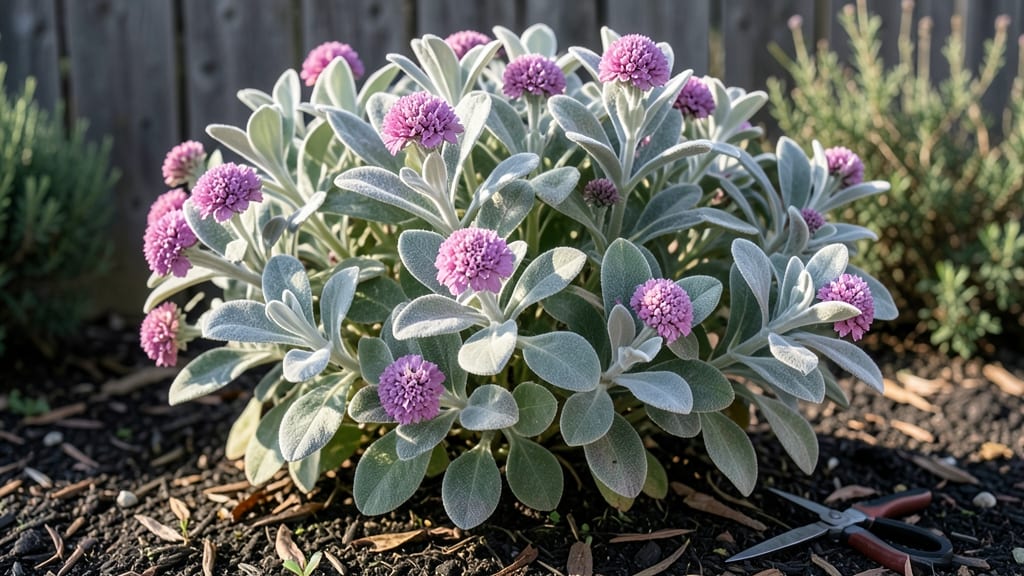
The silver-leafed princess flower (Lobelia tupa) transforms gardens with its striking foliage and delicate blooms—even when frost threatens. I first spotted these silvery-blue leaves in a Pacific Northwest forest, where they thrived in damp, shaded spots.
Their frost resistance makes them perfect for gardeners in zones 5-9 who want low-maintenance beauty.
This plant loves partial shade and rich, well-draining soil with a slightly acidic pH. Unlike fussy flowers, it tolerates occasional drought once established, but its velvety leaves stay vibrant with consistent moisture. Plant in spring or early fall, spacing them 12-18 inches apart for a lush, cascading effect.
You’ll love how this plant anchors garden beds with its sturdy stems and glossy foliage. The tiny blue flowers add a whisper of color without overwhelming the silvery leaves. Prune lightly after blooming to encourage bushier growth, and watch it bounce back after frost—unlike many tender perennials.
Perfect for woodland gardens, shade borders, or even container plantings. Its hardiness and striking appearance make it a foolproof choice for gardeners who want drama with minimal fuss. Let’s get your silver-leafed princess thriving!
📚 In This Guide
- What you need
- Instructions
- Tips and common mistakes
- Wrapping up and next steps
What you need
- ● Silver-leafed princess flower plant: 1 nursery-bought specimen (3–5 feet tall) or seeds (if starting from scratch). Pro tip: 💡 Young plants grow faster than seeds!
- ● Well-draining soil: 2–3 cubic yards of a mix of 60% garden soil, 30% compost, and 10% perlite/sand (for aeration).
- ● Organic fertilizer: 5–10 lbs of balanced 10-10-10 or composted manure (for nutrients).
- ● Mulch: 1–2 inches of wood chips or straw (to retain moisture and suppress weeds).
- ● Garden trowel or spade (for digging).
- ● Pruning shears (for trimming dead leaves or shaping).
- ● Watering can or hose with a gentle nozzle (avoid over-saturating roots!).
- ● Gloves (to protect hands from thorns or rough stems).
- ○ Optional: Soil pH tester (ideal range: 6.0–7.5) and stakes (if planting in windy areas).
- ● Sunlight: Partial shade to full sun (6+ hours of light daily).
- ● Climate: Hardy in USDA Zones 6–11 (tolerates frost down to 10°F).
- ● Space: 10–15 feet apart (mature plants spread widely!).
- ● Water source: Consistent access to water (drought-tolerant once established but needs 1–2 inches/week when young).
Step-by-step guide for cultivating silver-leafed princess flower
This hardy perennial thrives in challenging conditions and rewards patience with striking foliage and delicate blooms.
Select and Prepare the Planting Site
Choose a location with partial shade to full sun—this adaptable plant tolerates both but produces its signature silvery foliage most vividly in morning sun with afternoon shade. Test your site's moisture by digging a 6-inch deep hole; if water pools after 30 minutes, the soil drains too slowly and may cause root rot.
Amend heavy clay with 2-3 inches of compost mixed into the top 12 inches of soil. The silver-leafed princess prefers well-draining, slightly acidic to neutral soil (pH 6.0-7.0). If your soil tests alkaline, incorporate 1 pound of peat moss per 10 square feet to lower the pH gradually over several weeks.
Plant with Proper Spacing and Depth
Dig holes twice as wide as the root ball but only as deep as the container's base. Gently remove the plant from its pot and tease apart any circling roots—this encourages outward growth rather than girdling. Place the root ball in the hole so the top sits level with the surrounding soil (never buried deeper).
Space plants 18-24 inches apart for optimal airflow and foliage display. Backfill with native soil mixed with 1 cup of compost per hole, tamping lightly to eliminate air pockets. Water deeply to settle the soil and eliminate gaps around the roots. You’ll know moisture is right when the surface looks damp but not glistening.
Establish Watering and Fertilization Routine
Water deeply once a week during the first 30 days to encourage deep root growth. After establishment, reduce to every 10-14 days unless experiencing dry spells longer than 7 days. This plant’s drought tolerance makes it ideal for low-maintenance gardens, but wilting leaves signal it’s time to water.
Apply a balanced, slow-release fertilizer (10-10-10) at half-strength in early spring and again after flowering. Avoid high-nitrogen feeds—these promote lush foliage at the expense of blooms. Mulch with 2-3 inches of shredded bark to retain moisture and suppress weeds, but keep mulch 2 inches away from the stem to prevent rot.
Prune for Shape and Encourage Blooms
Deadhead spent blooms immediately to redirect energy into new flowers rather than seed production. Use clean, sharp pruners to cut stems back to the nearest leaf node at a 45-degree angle. This also prevents the plant from becoming leggy and improves air circulation.
In late winter or early spring, prune back one-third of the oldest stems to stimulate fresh growth. The silver-leafed princess responds well to pruning, so don’t hesitate to shape it—just avoid cutting into woody stems, as these won’t regrow. You’ll notice new shoots emerging within 2-3 weeks of pruning.
Protect from Winter and Monitor for Pests
This plant’s frost resilience makes it ideal for cold climates, but young plants (under 2 years old) benefit from a 2-3 inch layer of mulch over the root zone in winter. In Zone 5 or colder, consider wrapping the crown with burlap if temperatures dip below 10°F for extended periods.
Watch for aphids or spider mites, which may infest the silvery foliage. Spray affected areas with neem oil (1 tablespoon per gallon of water) or rinse leaves with a strong stream of water to dislodge pests. The plant’s natural resilience means it rarely suffers long-term damage, but early intervention prevents spread.
Tips & tricks for perfect silver-leafed princess flower cultivation
These insights will help you nurture this striking perennial with confidence and avoid common pitfalls that can stifle its growth.
Site Selection Wisdom: When evaluating your planting location, pay special attention to the morning sun pattern—this is what triggers the silver foliage development. If your garden receives intense afternoon sun, consider positioning the plant slightly to the east of its optimal spot to capture morning rays while avoiding the harshest afternoon heat. The 6-inch deep moisture test is your best indicator of drainage; if water lingers beyond 30 minutes, you'll need to create raised beds or amend the soil more aggressively with compost and organic matter.
Root Care Technique: The key to successful transplanting lies in those circling roots you'll find when removing the plant from its container. Use your fingers to gently separate them, creating a more natural root structure that encourages outward growth. This step prevents girdling—a common issue where roots grow in circles and strangle the plant's development. After planting, the damp-but-not-glistening soil surface is your visual cue that water has settled properly around the roots.
Pruning Precision: When deadheading spent blooms, always cut at a 45-degree angle just above a leaf node—this creates a larger surface area for new growth to emerge. The immediate energy redirection to new flowers is why this plant produces such abundant blooms throughout the season. For the late winter pruning, focus on the oldest stems first; you'll notice within 2-3 weeks that fresh shoots are emerging from the base, signaling successful rejuvenation.
Winter Protection Strategy: The 2-3 inch mulch layer for young plants creates an insulating blanket that moderates soil temperature fluctuations. In Zone 5 or colder, the burlap wrap around the crown acts like a thermal jacket—just remember to remove it in early spring before new growth appears. The 10°F threshold is what triggers the most critical cold protection needs for this frost-resilient plant.
Pro Tips for Silver Leafed Princess Flower
- These insights will help you nurture this striking perennial with confidence and avoid common pitfalls that can stifle its growth.
- Site Selection Wisdom: When evaluating your planting location, pay special attention to the morning sun pattern—this is what triggers the silver foliage development.
- Root Care Technique: The key to successful transplanting lies in those circling roots you'll find when removing the plant from its container.
Frequently asked questions
Got questions about growing the stunning silver-leafed princess flower? You’re not alone! Here are answers to the most common queries—from planting to troubleshooting—so you can nurture these frost-hardy beauties with confidence.
How cold can silver-leafed princess flowers tolerate?
These resilient plants thrive in USDA Zones 4–9 and can handle light frosts down to 15–20°F (-9 to -7°C). For extra protection in harsh winters, mulch the base with straw or shredded leaves. Young plants may need winter wraps until established!
When is the best time to plant them?
Plant in early spring (after the last frost) or early fall for root establishment before winter. Avoid summer planting—heat stress can stunt growth. If starting from seeds, sow indoors 8–10 weeks before the last frost for faster blooms.
How often should I water silver-leafed princess flowers?
Water deeply 1–2 times per week, ensuring the soil stays moist but not soggy. These drought-tolerant plants prefer well-draining soil—overwatering can lead to root rot. Reduce watering in winter unless the ground is bone-dry.
What pests or diseases should I watch for?
Common issues include aphids (spray with soapy water) and powdery mildew (improve airflow, avoid overhead watering). Slugs may nibble young leaves—use copper barriers or diatomaceous earth. Yellowing leaves often signal overwatering or nutrient deficiency.
Can I grow silver-leafed princess flowers in containers?
Yes! Choose a 12–18-inch pot with drainage holes and a fast-draining potting mix. Use a balanced fertilizer (like 10-10-10) every 4–6 weeks. Containers dry out faster, so monitor soil moisture closely. Dwarf varieties work best for patio gardens!
How do I propagate silver-leafed princess flowers?
Propagate via stem cuttings in spring or early summer:
- Snip a 4–6 inch healthy stem just below a leaf node.
- Remove lower leaves and dip in rooting hormone (optional).
- Plant in moist perlite-sand mix and keep humid (use a plastic bag).
- Root in 4–6 weeks; transplant when roots appear.
Still curious? Drop your question in the comments—we’re happy to help your silver-leafed princesses flourish!
Wrapping up and next steps
The silver-leafed princess flower is a stunning, low-maintenance gem that brings elegance and resilience to any garden. With its frost-hardy nature and striking foliage, it’s perfect for both beginners and seasoned gardeners alike.
Whether you’re drawn to its silvery-blue leaves or its delicate blooms, this plant rewards patience with breathtaking beauty.
Ready to transform your outdoor space? Start small—plant one today! Watch as it thrives, and soon, your garden will sparkle with its unique charm. Happy gardening! 🌿✨